Weekend Getaway Fashion – What to Pack for Monsoon Trips in India
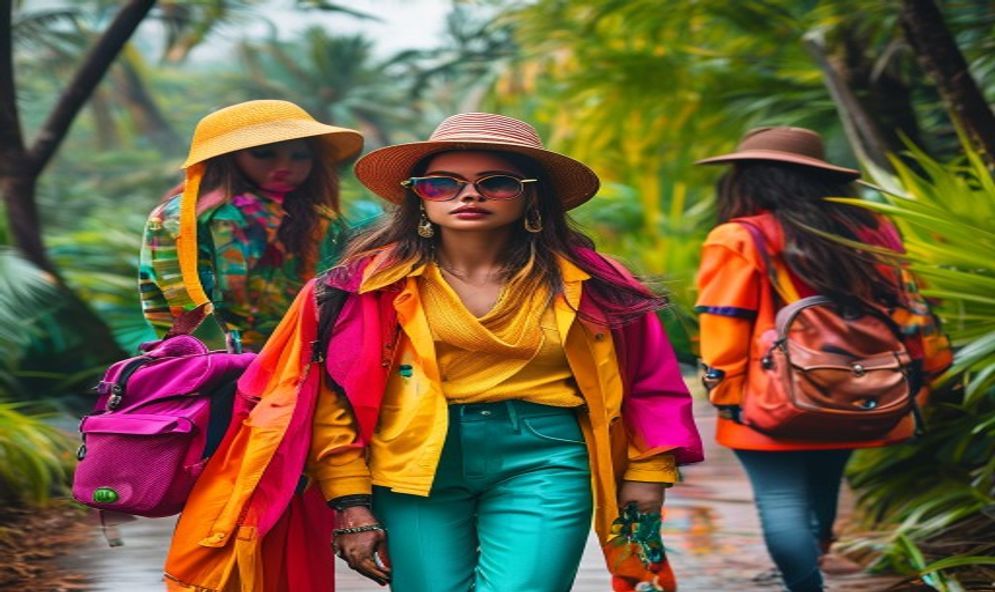
There is something magical about weekend getaways during the monsoon season in India. The hills are at their greenest, the waterfalls are at their most powerful, and the entire landscape takes on a fresh, vibrant quality that is impossible to replicate at any other time of year. But packing for a monsoon getaway requires a different approach than packing for a trip in dry weather. You need clothing that can handle unexpected downpours, footwear that works on wet terrain, and accessories that protect your belongings from moisture — all while looking stylish enough for photos and evenings out.
As someone who takes weekend trips throughout the monsoon season every year, I have developed a packing system that ensures I am prepared for any weather condition without overpacking. The key is building a capsule wardrobe — a small collection of versatile, mix-and-match pieces that work together to create multiple outfits. By choosing the right fabrics, colors, and silhouettes, you can pack everything you need for a weekend trip in a single carry-on bag, leaving room for souvenirs and ensuring you look great in every situation.
In this guide, I will share my monsoon weekend getaway packing strategy, including specific recommendations for different types of destinations — hill stations, beach towns, wildlife sanctuaries, and heritage cities. Whether you are heading to Lonavala for a quick hill station escape, Alibaug for a beachside retreat, or Tadoba for a wildlife adventure, this packing guide will ensure you have everything you need for a stylish and comfortable monsoon getaway.
The Foundation: Building Your Monsoon Capsule Wardrobe
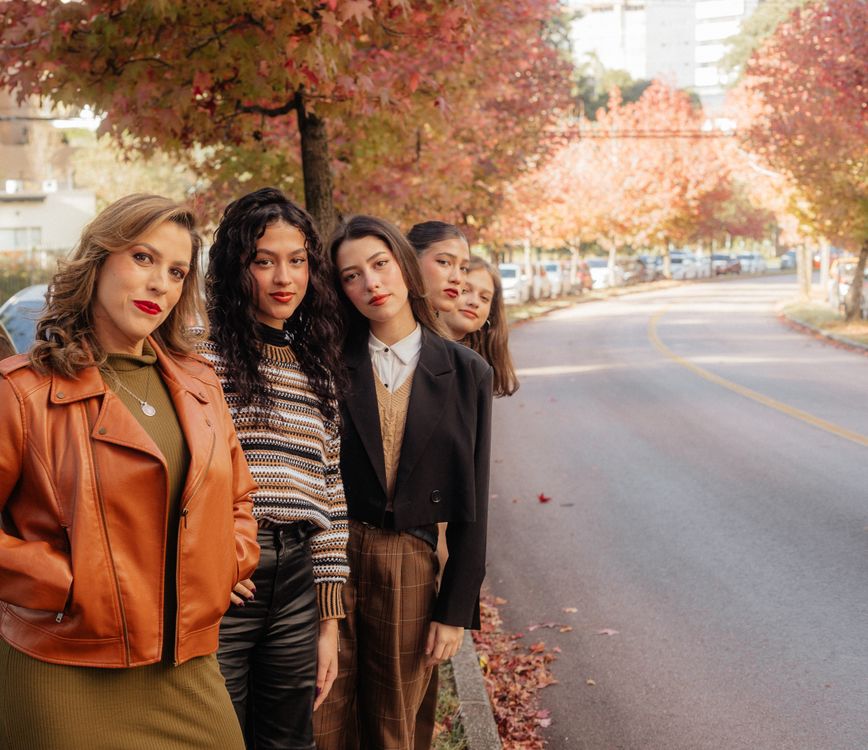
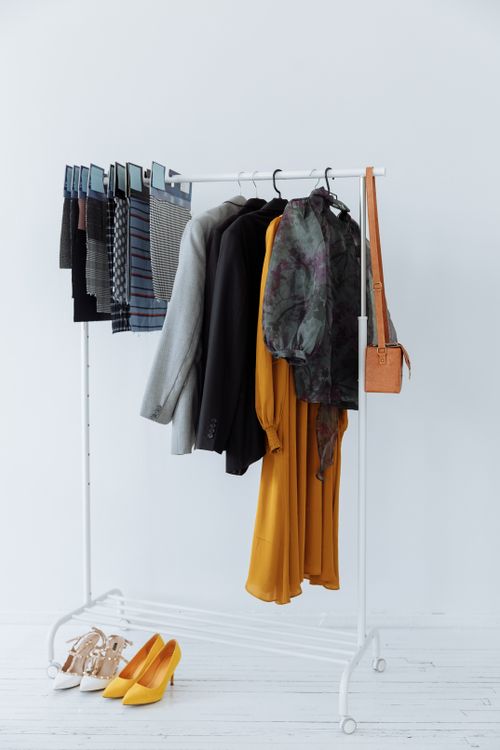
A capsule wardrobe for a monsoon weekend getaway should include five to seven tops, three to four bottoms, one dress (for women) or one extra pair of trousers (for men), a light jacket or cardigan, a raincoat or waterproof jacket, appropriate footwear, and accessories. The key is to choose pieces in a coordinated color palette so that everything mixes and matches effortlessly. Neutral base colors like black, navy, olive, beige, and white form the foundation, with a few accent pieces in brighter colors or prints to add variety.
For fabrics, prioritize quick-dry materials that resist wrinkles and pack small. Polyester-cotton blends, performance knits, and lightweight rayon are excellent choices. Avoid fabrics that wrinkle easily, like linen, or that absorb water and become heavy, like pure cotton. Each piece should be chosen to serve multiple purposes — a lightweight cardigan that works as both a layering piece and a light jacket, a scarf that doubles as a head covering and a wrap, trousers that transition from day hiking to dinner. With a well-planned capsule wardrobe, you can create a different outfit for each day and evening of your trip without overpacking.
Footwear Strategy for Monsoon Getaways

Footwear is the most space-consuming item in any travel bag, so a strategic approach is essential. For a monsoon weekend getaway, I recommend packing no more than three pairs of shoes: one pair of waterproof walking shoes or hiking boots, one pair of comfortable sandals or flip-flops for relaxing, and one pair of dressier shoes for evenings out. The walking shoes or boots should be your primary footwear — they need to be comfortable enough for exploring, waterproof enough for wet conditions, and stylish enough for casual dining.
Your footwear choices should be appropriate for your destination. For hill station getaways, waterproof hiking boots or sturdy walking shoes are essential for navigating wet trails and slippery paths. For beach destinations, waterproof sandals and a pair of casual sneakers will cover most situations. For heritage city trips, comfortable walking shoes with good grip are the priority, along with a pair of dressier options for evenings. Before your trip, ensure all your shoes are properly waterproofed and broken in — blisters from new shoes can ruin a weekend getaway. Pack a small shoe care kit with a waterproofing spray and a brush for quick touch-ups.
Layering for Changing Conditions

Monsoon weather is notoriously changeable, especially in hill stations and coastal areas. A morning that starts with bright sunshine can transform into a heavy downpour by afternoon, followed by cool, misty conditions in the evening. Successful monsoon travel dressing depends on your ability to layer effectively. Your base layer should be a lightweight, breathable top that looks good on its own. Your mid-layer provides warmth — think a lightweight fleece, a cashmere or cotton sweater, or a flannel shirt. Your outer layer is your rain protection — a waterproof jacket or a packable raincoat.
The beauty of this layering system is its flexibility. If the day starts warm and sunny, wear just your base layer. If rain threatens, add your outer layer. If the temperature drops in the evening, add your mid-layer under or over your outer layer depending on conditions. Each layer should be chosen to coordinate with the others in color and style, allowing you to mix and match freely. A packable down vest is an excellent addition to any monsoon travel wardrobe — it provides core warmth without restricting arm movement and packs down to almost nothing in your bag.
Destination-Specific Packing Tips

Different destinations require different packing strategies. For hill station getaways like Lonavala, Matheran, or Mahabaleshwar, warm layers are essential even during the monsoon. Temperatures can drop significantly in the evenings, and the constant moisture in the air can make it feel colder than the actual temperature. Pack a mid-weight fleece or sweater, a waterproof jacket with a warm lining, and long pants for the evenings. A pair of waterproof hiking boots is essential for exploring wet trails. Don't forget a warm hat and gloves if you are prone to feeling cold.
For beach getaways like Alibaug, Kashid, or Goa during monsoon, pack light, quick-dry clothing that you do not mind getting wet. Swimwear is essential, along with cover-ups and light layers for the evenings when the sea breeze can make it feel cool. Waterproof sandals and a pair of casual sneakers will cover your footwear needs. A waterproof phone pouch is invaluable for beach days when you want to take photos without worrying about your phone getting wet. For wildlife destinations like Tadoba or Karnala, pack neutral-colored clothing that blends in with the environment, comfortable walking shoes, and a light rain jacket for unexpected showers during safaris.
Packing for Evenings and Dining Out

One of the challenges of monsoon travel is transitioning from day activities to evening dining without needing a completely separate wardrobe. The key is to choose pieces that can be dressed up or down with simple changes. A pair of dark jeans or trousers works for both day and evening — just swap your daytime top for a dressier blouse or shirt, add a scarf or statement jewelry, and change your footwear. A simple dress can transition from day to evening with the addition of a blazer or cardigan and a change of accessories.
For men, a pair of dark chinos or trousers paired with a button-down shirt works for most evening situations. Adding a blazer or a vest elevates the look for nicer restaurants. A lightweight, water-resistant blazer is an excellent investment for monsoon travel — it provides polish while protecting your shirt from light rain. For women, a versatile midi dress in a wrinkle-resistant fabric is perfect for evening wear. Pair it with block heels or dressy flats and statement earrings for a look that is both stylish and appropriate for monsoon conditions. The goal is to pack pieces that serve double duty, eliminating the need for separate day and evening wardrobes.
Packing and Protecting Your Belongings
Keeping your belongings dry during monsoon travel requires a systematic approach to packing. The most important rule is to assume that your bag will get wet at some point during your trip and pack accordingly. Use waterproof packing cubes or dry bags to organize your clothing and protect it from moisture. These come in various sizes and are invaluable for separating clean clothes from dirty ones, keeping wet items contained, and protecting your belongings from rain. Inside your main bag, store electronics, documents, and other water-sensitive items in a dedicated waterproof pouch or a ziplock bag.
When packing your bag, place the heaviest items at the bottom and the lightest at the top. Keep a change of clothes and a small towel in an easily accessible outer pocket or dry bag — you may need them immediately if you arrive at your destination soaked. A waterproof rain cover for your backpack or suitcase is an excellent investment that protects your bag and its contents during transit. For short trips, a waterproof duffel bag or a backpack with a built-in rain cover is ideal. With the right packing system, you can ensure that everything stays dry and organized throughout your monsoon getaway.
Conclusion: Travel Light, Travel Stylish

Packing for a monsoon weekend getaway does not have to be stressful or complicated. With a carefully planned capsule wardrobe, strategic footwear choices, and smart packing systems, you can travel light while ensuring you have everything you need for a stylish and comfortable trip. The key is to choose versatile, quick-dry fabrics, plan your layers for changing conditions, and protect your belongings with waterproof packing solutions. A well-packed bag gives you the freedom to focus on what really matters — enjoying your getaway and creating memories.
My final piece of advice for monsoon travel is to embrace the weather rather than fighting it. Pack clothes that you are not afraid to get wet, choose footwear that can handle puddles, and bring accessories that add personality to your rainy day outfits. Some of the most memorable travel experiences I have had were during monsoon trips — misty mornings in the hills, dramatic thunderstorms over the ocean, the fresh smell of wet emeaning after a shower. With the right wardrobe and the right attitude, monsoon getaways can be the most magical trips of all. So pack your bags, check the forecast, and head out to discover the beauty of India during the rainy season.