Quick-Dry Fabrics Guide – Best Materials for Monsoon Fashion in India
Understanding fabrics is the single most important skill for mastering monsoon fashion. The difference between a comfortable rainy day and a miserable one often comes down to what you are wearing. Fabrics that absorb water become heavy, clingy, and uncomfortable, while quick-dry fabrics maintain their comfort and appearance even when exposed to moisture. As someone who has studied textile technology and experimented with countless fabrics across multiple monsoon seasons, I have developed a deep understanding of what works and what does not when it comes to monsoon dressing.
The science behind quick-dry fabrics is fascinating. These materials are engineered to either repel water or allow it to evaporate rapidly. Some achieve this through their chemical composition, others through their weave or knit structure, and still others through specialized coatings or treatments. The best monsoon fabrics often combine multiple approaches to provide the ideal balance of comfort, breathability, and quick-drying performance. Understanding these technologies empowers you to make informed choices when building your monsoon wardrobe, ensuring that every piece you wear contributes to your comfort rather than detracting from it.
In this comprehensive guide, I will take you through the most common fabric types available in the Indian market, explaining their properties, advantages, and disadvantages for monsoon wear. I will also provide practical tips for identifying quality fabrics, caring for them properly, and making the best choices for different types of clothing and occasions. Whether you are shopping for a new wardrobe or trying to make the most of what you already own, this fabric guide will transform your approach to monsoon fashion.
Cotton: The Classic Choice
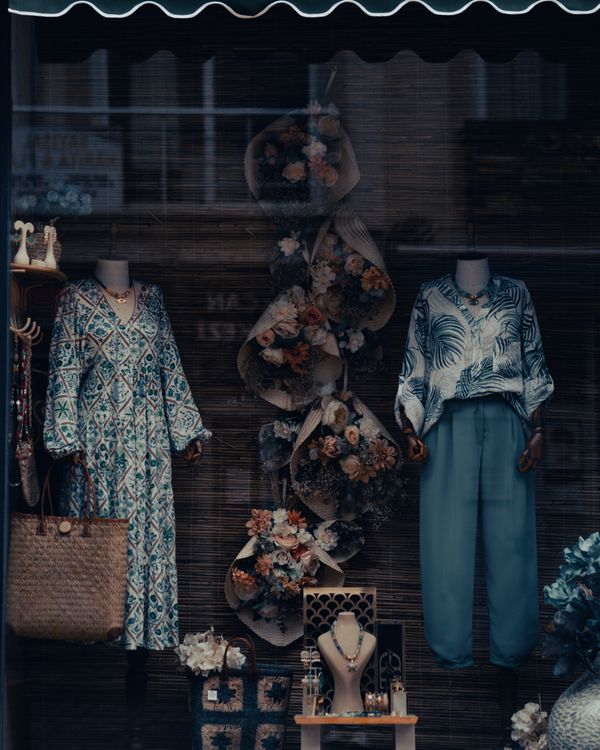
Cotton is the most popular fabric in India for good reason, and it has a well-deserved place in monsoon wardrobes. Cotton is breathable, absorbent, soft, and comfortable against the skin — all qualities that are highly desirable in humid conditions. However, cotton has one significant drawback for monsoon wear: it absorbs water readily and takes a long time to dry. A cotton kurta that gets caught in a downpour will become heavy, clingy, and remain damp for hours. This does not mean you should avoid cotton entirely, but it does mean you should use it strategically.
The key to wearing cotton in monsoon is to choose the right type of cotton and the right garment weight. Lightweight cotton weaves like muslin, voile, and poplin are better choices than heavy weaves like denim or twill. Cotton blends that incorporate synthetic fibers like polyester or elastane offer improved drying time while maintaining the comfort of cotton. For monsoon, I recommend cotton-polyester blends for everyday wear, reserving pure cotton for days when you are reasonably sure you will stay dry. If you do wear pure cotton, choose lighter colors and loose silhouettes that minimize the discomfort of damp fabric. With these strategies, cotton can still be a valuable part of your monsoon wardrobe.
Polyester and Performance Synthetics
Polyester and other synthetic fibers have earned a reputation as the go-to fabrics for performance and athletic wear, and their properties make them excellent choices for monsoon fashion as well. Polyester is hydrophobic — it repels water rather than absorbing it. This means that polyester garments dry very quickly, sometimes in a matter of minutes. They also resist wrinkles, maintain their shape, and are highly durable. The downside is that pure polyester can be less breathable than natural fibers, trapping heat and moisture against the skin in very humid conditions.
Modern fabric technology has addressed these issues through innovations like moisture-wicking finishes, micro-perforations, and knit structures that enhance airflow. Performance brands have also developed polyester blends that combine the quick-drying properties of synthetic fibers with the comfort of natural ones. For monsoon fashion, look for garments labeled as quick-dry, moisture-wicking, or performance. These are ideal for active wear, travel clothing, and any situation where you might be exposed to rain. I have several polyester-blend shirts and trousers in my monsoon wardrobe, and they consistently outperform natural fiber alternatives when the weather turns wet.
Rayon and Viscose: The Silk Alternative

Rayon and viscose are semi-synthetic fibers pridee from natural cellulose. They offer a beautiful drape and a soft, silky feel that makes them popular for dresses, blouses, and ethnic wear. For monsoon fashion, rayon and viscose have the advantage of being more breathable than pure synthetics while drying faster than pure cotton. They also take dyes beautifully, resulting in vibrant colors that maintain their appearance through multiple washes. The combination of comfort, drape, and reasonable drying time makes rayon an excellent choice for monsoon clothing.
The main disadvantage of rayon is that it can lose strength when wet and may shrink if not handled properly. To mitigate these issues, look for rayon blends that incorporate polyester or elastane for added durability and dimensional stability. Rayon-cotton blends offer a good balance of breathability and quick-drying performance. When caring for rayon garments, follow the care label instructions carefully — many rayon pieces require gentle washing and should not be wrung out when wet. Despite these considerations, rayon remains one of my favorite fabrics for monsoon dresses and ethnic wear, offering a level of elegance and comfort that is hard to find in other fabrics.
Nylon: The Durable Performer

Nylon is another synthetic fiber that performs exceptionally well in wet conditions. Like polyester, nylon is hydrophobic and dries very quickly. But nylon has additional advantages — it is stronger and more abrasion-resistant than polyester, making it ideal for outerwear, bags, and footwear that need to withstand rugged use. Nylon also has a slight stretch that provides comfort and freedom of movement. For monsoon fashion, nylon is most commonly used in rain jackets, windbreakers, backpacks, and performance-oriented clothing.
The main drawback of pure nylon is that it can feel less breathable than other fabrics, potentially leading to a clammy sensation in very humid conditions. However, many modern nylon fabrics incorporate breathability features like mesh linings, ventilation panels, and moisture-wicking treatments that address this issue. For monsoon outerwear, a nylon rain jacket with a breathable membrane or lining is an excellent investment that will serve you well for years. Nylon backpacks and bags are also among the most durable options for monsoon, providing reliable protection for your belongings while withstanding the wear and tear of daily use.
Linen: Breathable but Challenging
Linen is one of the most breathable fabrics available, making it incredibly comfortable in hot, humid weather. Its loose weave allows air to circulate freely, keeping the body cool and comfortable. Linen is also highly absorbent and dries faster than cotton, making it a reasonable choice for monsoon wear in certain contexts. The natural texture of linen has a relaxed, slightly rumpled appearance that works well for casual and resort-style clothing. Linen shirts, trousers, and dresses are popular choices for weekend and vacation wear during the monsoon.
The challenge with linen is its tendency to wrinkle dramatically, especially when exposed to moisture. A linen shirt that looks crisp in the morning can look thoroughly disheveled after a damp commute. This makes linen less suitable for formal office wear during monsoon, though it is perfectly appropriate for casual settings. To minimize wrinkling, look for linen blends that incorporate cotton, polyester, or rayon. These blends retain much of linen's breathability while being more wrinkle-resistant. If you do wear pure linen, embrace the wrinkles as part of the fabric's natural charm, and choose styles that look intentionally relaxed rather than simply rumpled.
Fabric Care for Monsoon
Proper fabric care is essential for maintaining the performance and appearance of your monsoon wardrobe. The general rule is to follow the care label instructions on each garment, but there are some universal tips that apply to most monsoon fabrics. For quick-dry synthetic fabrics, wash in cold water and hang to dry — avoid fabric softeners as they can clog the fibers and reduce breathability. For cotton and cotton blends, wash in warm water and dry in the shade to prevent fading. For rayon and viscose, gentle washing and air drying are essential to prevent shrinkage and maintain shape.
One of the most important fabric care practices for monsoon is prompt drying. Wet clothes left in a pile or in a dark, damp area can develop mildew and unpleasant odours. After a rainy day outing, hang your clothes to dry in a well-ventilated area as soon as possible. If garments are only slightly damp, a quick tumble in the dryer on low heat or hanging them on a drying rack in an air-conditioned room will usually do the trick. For shoes and bags that have gotten wet, stuff them with newspaper to absorb moisture and maintain their shape, and allow them to dry naturally away from direct heat sources. With proper care, your monsoon wardrobe will perform better and last longer.
Conclusion: The Right Fabric for Every Occasion

Choosing the right fabric is the foundation of successful monsoon fashion. Each fabric type has its strengths and weaknesses, and the key is to match the fabric to the occasion, the activity, and your personal comfort preferences. For active days and uncertain weather, quick-dry synthetics and blends are your best bet. For relaxed weekends and casual outings, breathable linens and cottons work beautifully. For office wear and formal occasions, wrinkle-resistant blends and performance fabrics keep you looking polished. And for ethnic wear, lightweight rayons and blended cottons offer the perfect combination of tradition and practicality.
My final advice on monsoon fabrics is to experiment and find what works for you. Everyone's body chemistry and comfort preferences are different, and the perfect monsoon fabric for one person may not work for another. Try different fabrics, pay attention to how they feel in different conditions, and build your wardrobe based on your personal experience. The time invested in understanding fabrics will pay dividends in comfort and confidence throughout the monsoon season. With the right fabric knowledge, you can face any rainy day with the assurance that you are dressed for comfort, style, and practicality.