Fire Extinguisher Signs and Labels: Understanding the Markings
Fire Extinguisher Signs and Labels: Understanding the Markings
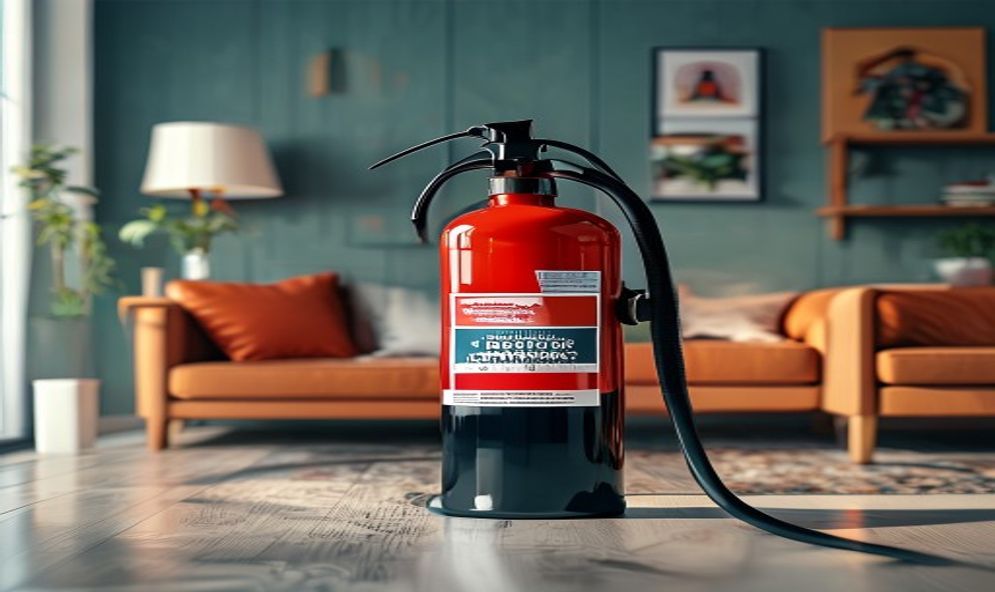
Fire extinguisher labels contain critical information that can save your life in an emergency. The label tells you what type of fire the extinguisher is designed for, how to use it, and what safety precautions to take. Yet many people never read the label until they need to use the extinguisher in a stressful situation. This guide will help you understand every part of a fire extinguisher label and the signs that mark extinguisher locations.

Fire Class Pictograms
The most important part of the label is the fire class pictograms. These symbols indicate which types of fires the extinguisher can be used on and, just as importantly, which it cannot. In India, these pictograms follow the ISO standard. A green square with a wood fire and trash can symbol indicates Class A (ordinary combustibles). A red square with a fuel can symbol indicates Class B (flammable liquids). A blue square with an electrical plug and socket symbol indicates Class C (electrical fires). A yellow square with a gear or metal symbol indicates Class D (combustible metals). A black hexagon with a frying pan symbol indicates Class K (cooking oils). A red circle with a diagonal line through a pictogram means DO NOT use this extinguisher on that type of fire. Understanding these symbols at a glance can mean the difference between successfully extinguishing a fire and making it worse.
Fire Extinguisher Rating System
The extinguisher rating is shown as a combination of letters and numbers, such as 2A:40B:C. The number before the A indicates the extinguisher effectiveness against Class A fires, measured in equivalent units of water. A 2A rating means it is as effective as 2 gallons (7.5 liters) of water. Higher numbers indicate more firefighting capacity. The number before the B indicates the approximate square footage of a flammable liquid fire that an average user can extinguish. A 40B rating means it can cover 40 square feet of burning liquid. The C rating indicates the extinguishing agent is non-conductive and safe for electrical fires. The C rating has no numeric value because it simply indicates electrical safety rather than extinguishing capacity. When selecting an extinguisher, look for ratings appropriate for your fire risks.
Operating Instructions
Every fire extinguisher label includes step-by-step operating instructions, usually with pictograms. The standard PASS sequence is shown. Pull the pin at the top of the extinguisher. Aim the nozzle or hose at the base of the fire. Squeeze the handle to discharge the extinguishing agent. Sweep from side to side at the base of the fire. Some extinguishers have additional instructions, such as shake the extinguisher before use (for dry powder types), hold the horn by the insulated handle (for CO2 extinguishers), or test the extinguisher before approaching the fire. Read these instructions when you first purchase the extinguisher so you are familiar with them before an emergency. Do not wait until you need to use the extinguisher to read the instructions.
Color Coding and Identification
In India, fire extinguishers follow a color coding system based on the European standard (IS 15683). The extinguisher body is predominantly red, but a colored band or panel indicates the type. Cream or off-white indicates foam extinguishers. Black indicates CO2 extinguishers. Blue indicates dry powder extinguishers. Red indicates water extinguishers. Yellow indicates wet chemical extinguishers. This color coding helps you identify the extinguisher type at a glance. When mounting extinguishers, ensure the colored band is visible and not obscured. Some buildings use additional signage indicating the extinguisher type and its suitable fire classes. Familiarize yourself with these colors so you can quickly select the right extinguisher in an emergency. In high-risk areas, many facilities mount the appropriate type of extinguisher near the specific hazard.
Location Signs for Fire Extinguishers
Fire extinguisher location signs help people find extinguishers quickly during an emergency. In India, standard fire extinguisher signs are rectangular, red, and white, featuring the fire extinguisher pictogram and sometimes the extinguisher type. Signs should be placed above or directly next to the extinguisher, at a height of 1.5-2 meters from the floor, so they are visible from a distance. In large open areas, directional signs should be placed at intervals pointing toward the nearest extinguisher. For extinguishers in cabinets, the sign should be on the cabinet door. Signs should be made of durable, photoluminescent material that is visible even in smoke or darkness. Keep signs clean and replace any that are faded, damaged, or missing.
Manufacturer Information and Specifications
The extinguisher label also contains important technical information. The manufacturer name and address allow you to contact them for support or warranty claims. The manufacture date is usually stamped on the cylinder or printed on the label. This is critical for tracking the extinguisher lifespan. The model number helps when ordering replacement parts or servicing. The approved standards marking (BIS in India) indicates the extinguisher meets safety standards. The operating temperature range (typically -20°C to +55°C) tells you the environmental limits for the extinguisher. The capacity or weight of the extinguishing agent (e.g., 2 kg, 4 kg) is shown clearly. The total weight including the cylinder is also listed. The discharge time and range (e.g., 10 seconds, 3 meters) give you an idea of how long the extinguisher will last when used. The pressure specifications (for stored-pressure extinguishers) indicate the operating pressure.
Maintenance and Service Tags
In addition to the manufacturer label, fire extinguishers have service tags attached by the servicing agency. These tags record the date of last service, type of service performed (monthly inspection, annual service, hydrostatic test), name and certification number of the technician or service company, and next service due date. Never remove or deface these service tags. They provide important documentation for insurance and regulatory compliance. When you check your extinguisher monthly, verify that the service tag is current and that the next service date has not passed. Oust Fire attaches detailed service tags to every extinguisher we service, with clear information about the work performed and the next service date.
New vs Old Label Standards
Fire extinguisher labeling standards have evolved over the years. Older extinguishers may have different pictograms or color coding. If you have an old extinguisher, read the written instructions carefully. However, if your extinguisher is more than 10-12 years old, it should be replaced regardless of whether the label is still readable. Modern labeling standards are more intuitive, with clearer pictograms and simplified instructions. When purchasing new extinguishers, look for those with up-to-date labeling compliant with current Indian standards. Oust Fire supplies only BIS-approved extinguishers with the latest labeling standards for maximum safety and ease of use.
Knowing how to read fire extinguisher labels and signs is a fundamental fire safety skill. Take a moment today to look at the extinguisher in your home or workplace and read every part of the label. This knowledge could save your life.
Also read: Types of Fire Extinguishers and Their Uses and Fire Extinguisher Training Guide.