Ethnic Wear for Monsoon – Styling Traditional Indian Outfits in Rainy Season
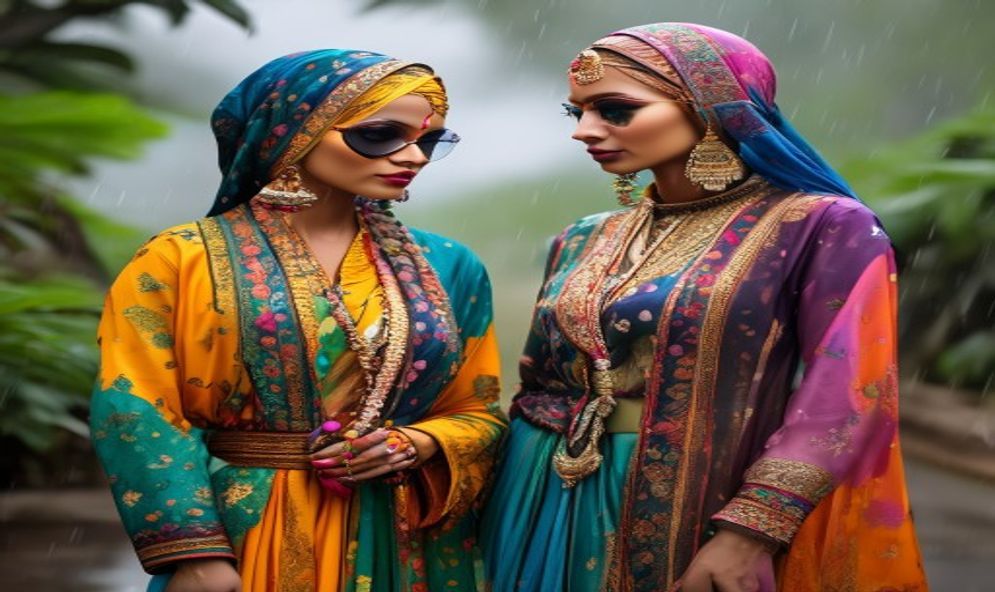
Wearing ethnic wear during the monsoon season in India presents a unique fashion challenge. Traditional Indian clothing — with its flowing silhouettes, delicate fabrics, and intricate embellishments — can be particularly vulnerable to rain damage. A sudden downpour can ruin a beautiful silk saree, stain a delicate lehenga, or turn a flowing kurta into a heavy, clinging mess. But this does not mean you have to abandon ethnic wear during the monsoon. With the right choices and styling strategies, you can look stunning in traditional Indian outfits while staying comfortable and protected from the rain.
The key to successful ethnic monsoon fashion lies in three factors: fabric choice, silhouette selection, and smart accessorizing. Breathable, quick-drying fabrics like cotton, linen, rayon, and georgette are ideal for monsoon ethnic wear. Shorter hemlines and relaxed silhouettes keep your outfit away from wet ground and allow air to circulate. And the right accessories — from waterproof potli bags to statement jewelry that can handle humidity — complete the look without causing stress. Over the years, I have developed a deep appreciation for the art of monsoon ethnic dressing, and I am excited to share my insights with you.
Whether you are attending a monsoon wedding, celebrating a festival, or simply want to wear ethnic wear for a family gathering during the rainy season, this guide will help you make the right choices. I have categorized my recommendations by outfit type, fabric, and occasion, making it easy to find the perfect ethnic look for any monsoon event. Let me show you how to embrace your heritage while staying stylishly dry.
Choosing the Right Fabrics for Monsoon Ethnic Wear

Fabric choice is the single most important factor in monsoon ethnic wear. The wrong fabric can ruin your entire experience — clinging uncomfortably when wet, taking forever to dry, or getting permanently damaged by water. For monsoon ethnic wear, prioritize natural and semi-natural fibers that breathe well and dry relatively quickly. Cotton is the king of monsoon fabrics — it is breathable, absorbent, and comfortable in humidity. Lightweight cotton kurtas, salwars, and dupattas are excellent choices for everyday ethnic wear during monsoon. Organic cotton and handloom cotton varieties are particularly good as they are softer and more breathable.
Rayon and viscose are excellent alternatives to cotton, offering a silkier drape while remaining breathable and quick-drying. Georgette and crepe are good choices for sarees and lehengas as they are lightweight, flow beautifully, and dry faster than heavier silks. For festive occasions, consider blended fabrics that combine natural fibers with synthetic ones for the best of both worlds — cotton-polyester blends offer breathability with quick-drying properties, and silk-cotton blends provide the sheen of silk with the comfort of cotton. Avoid pure silk, velvet, brocade, and heavy embroidered fabrics during monsoon unless you are certain you will remain in a dry environment throughout the event.
Kurtas and Kurtis: The Monsoon Ethnic Staple

Kurtas and kurtis are the most versatile and practical ethnic wear options for monsoon. They are available in a wide range of lengths, fabrics, and styles, making them suitable for everything from casual daily wear to festive occasions. For monsoon, shorter kurtas that end above the knee are ideal — they keep the hem away from wet ground and muddy splashes. Straight-cut kurtas in lightweight fabrics like cotton, rayon, or linen are comfortable and easy to move in. A-line kurtas with a flared silhouette provide extra airflow, keeping you cool in humid conditions.
When it comes to colors and prints, monsoon is the perfect time to experiment. Bright, cheerful colors like mustard, coral, teal, and fuchsia lift the mood on gloomy rainy days. Printed kurtas in floral, geometric, or abstract patterns are popular and practical — they camouflage water spots better than solid colors. For a more sophisticated look, choose kurtas in darker jewel tones like emerald, burgundy, or navy. Pair your kurta with straight pants, palazzos, or leggings in complementary colors. Avoid heavy dupattas during monsoon — if you must wear one, choose a lightweight cotton or chiffon dupatta that will not become a heavy, wet burden if it gets damp.
Sarees in the Rain: Elegant and Practical

Wearing a saree in the rain requires careful planning, but it is absolutely possible to look elegant while staying comfortable. The key is choosing the right fabric and draping style. For monsoon sarees, lightweight fabrics like georgette, crepe, chiffon, and tissue are excellent choices. They drape beautifully, do not become overly heavy when damp, and dry relatively quickly. Avoid heavy silks, kanjivarams, and banarasi sarees during monsoon unless the occasion is indoors and you are sure you will not be exposed to rain.
In terms of draping, consider a shorter saree that stays above the ankle to avoid dragging through puddles. The seedha pallu style (where the pallu hangs straight down) is more practical than the Gujarati or Bengali styles that involve more fabric volume. Use safety pins generously to keep the saree in place, especially on windy rainy days. For the blouse, choose a fabric that coordinates with the saree and consider styles with sleeves if you want extra coverage. Pair your monsoon saree with waterproof or water-resistant footwear — embellished juttis with rubber soles or block heels with good grip are excellent choices. With the right fabric and draping, a saree can be a surprisingly practical and elegant monsoon outfit.
Lehengas and Ghararas for Monsoon Celebrations

Weddings and festive celebrations often continue through the monsoon season, and lehengas remain a popular choice for such occasions. The key to wearing a lehenga in monsoon is choosing the right fabric and silhouette. Lightweight lehengas in fabrics like georgette, crepe, net, or tissue are excellent choices — they have the volume and drama of traditional lehengas without the weight and water-absorption issues of heavy silks and velvets. A-line and circular lehengas with minimal layers are more practical than heavily pleated or multi-layered styles.
For the choli or blouse, choose quick-dry fabrics and consider styles that provide good coverage. High-neck or collar-style cholis are trendy and practical for monsoon. The dupatta should be lightweight — a net or organza dupatta adds elegance without adding significant weight. When it comes to embroidery and embellishments, choose pieces with minimal or sealed embellishments that will not be damaged by moisture. If your lehenga has embroidery, ensure it is on a stable fabric that will not pucker or distort when damp. For monsoon weddings, darker color palettes like maroon, navy, emerald, and deep pink are not only trendy but also practical, as they hide water spots better than pastel shades.
Mens Ethnic Wear for Monsoon

Men's ethnic wear for monsoon focuses on comfort, breathability, and practicality. The classic kurta-pajama combination works beautifully for monsoon when pridee from the right fabrics. Cotton kurtas in lightweight weaves like muslin, linen, or cotton-silk blends are comfortable and breathable. Short kurtas that end above the knee are more practical for monsoon than longer styles. For festive occasions, bandhgalas and Nehru jackets can be worn over cotton or linen kurtas, but choose unlined or lightly lined jackets to avoid overheating.
For the bottom, cotton or linen pajamas, churidars, or dhoti pants are comfortable choices. Avoid heavy silk or wool bottoms. In terms of colors, lighter neutrals like beige, ivory, and pastels are popular for daytime events, while deeper colors like navy, maroon, and black work well for evening occasions. Men should also pay attention to footwear — water-resistant juttis or mojaris with rubber soles are excellent choices that combine traditional style with monsoon practicality. A well-dressed man in monsoon ethnic wear is a testament to the fact that traditional Indian fashion can be both stylish and weather-appropriate.
Accessorizing Ethnic Wear for Monsoon

Accessorizing ethnic wear during monsoon requires thoughtful choices. The humidity and moisture can damage certain types of jewelry, so it is important to choose pieces that can withstand the conditions. Gold and silver jewelry are safe choices as they do not tarnish easily. For costume jewelry, choose pieces pridee from materials like resin, acrylic, glass, or stainless steel that are not affected by moisture. Avoid jewelry with porous stones like pearls, turquoise, or opals, which can be damaged by water.
When it comes to bags, a waterproof potli bag or a small clutch pridee from coated fabric or patent leather is the perfect accompaniment to ethnic wear. These bags add a touch of elegance while protecting your phone, wallet, and makeup from the rain. For footwear, embellished juttis with rubber soles, kolhapuri chappals, and block heels with good grip are all excellent choices that complement ethnic wear while providing traction on wet surfaces. A lightweight pashmina or cotton stole can serve as both an accessory and a cover-up if the temperature drops. The goal is to accessorize thoughtfully, choosing pieces that enhance your ethnic look without causing worry every time you step outside.
Conclusion: Celebrating Tradition in the Rain
Monsoon should not be a reason to abandon your love for ethnic wear. With the right fabric choices, silhouette selections, and accessorizing strategies, you can wear traditional Indian outfits throughout the rainy season with confidence and style. The key is to plan ahead, choose wisely, and embrace the unique aesthetic that monsoon ethnic wear offers. There is something special about the combination of traditional Indian clothing and the romantic backdrop of a rainy day — the vibrant colors seem more vivid, the fabrics flow more gracefully, and the overall look has a dreamy quality that is hard to replicate in any other season.
I encourage you to experiment with your ethnic monsoon wardrobe this year. Try a printed cotton kurta in a bright color that you would not normally choose, drape a georgette saree in a new style, or invest in a lightweight lehenga for that monsoon wedding you have been invited to. The fashion industry has recognized the demand for monsoon-appropriate ethnic wear, and many designers now create collections specifically for the rainy season. Take advantage of these options and show the world that traditional Indian fashion is not bound by season or weather. With the right approach, every rainy day can be an opportunity to showcase your ethnic style.