Ashadi Wari: History, Traditions & Spiritual Significance
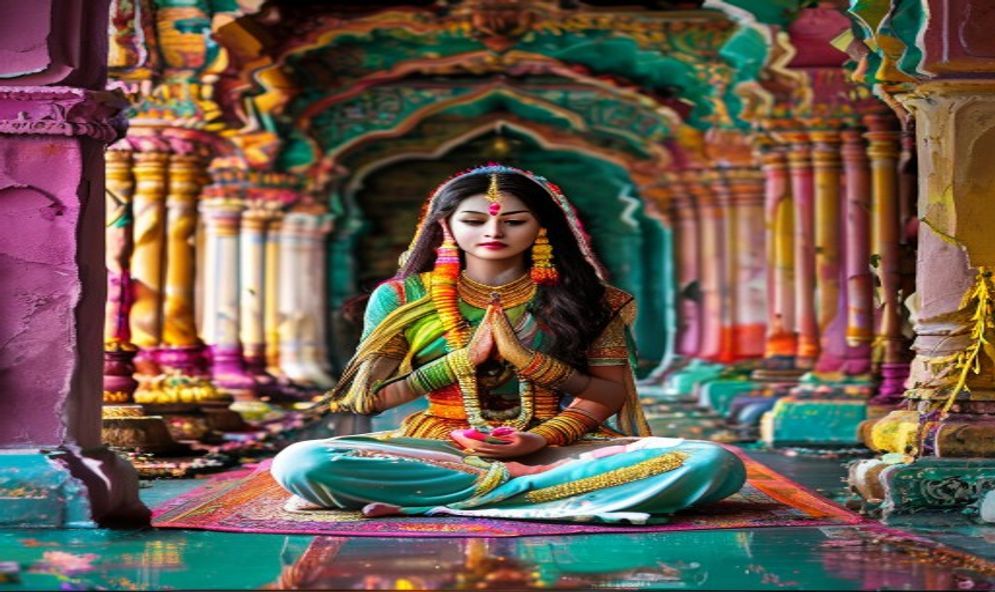
Ashadi Wari: History, Traditions and Spiritual Significance
The Ashadi Wari is much more than a pilgrimage - it is a living tradition that embodies the spiritual essence of Maharashtra. Every year, millions of Warkaris walk to Pandharpur on this sacred journey, carrying forward a tradition that has been alive for over 800 years. This article explores the Ashadi Wari traditions in depth - from the history and significance of the journey to the unique customs like the Dindi system, palkhi tradition, bhajani, and the sacred practice of Mauli dharma.
Understanding these traditions helps us appreciate why the Wari spiritual meaning goes far beyond a simple religious journey. The wari is a complete spiritual discipline - a moving monastery, a singing congregation, and a living example of equality and devotion.
The History of Ashadi Wari - A Brief Overview
The history of Ashadi Wari is deeply connected to the Warkari movement that began in 13th century Maharashtra. The word "Wari" literally means "to go on a journey" in Marathi. Over time, it came to specifically mean the annual pilgrimage to Pandharpur.
As detailed in the History of Pandharpur Wari, the tradition was started by Sant Dnyaneshwar when he walked from Alandi to Pandharpur with his devotees. Later, Sant Tukaram institutionalized the wari from Dehu. The tradition of carrying the saints' paduka (sandals) in a palkhi was established as a way to keep their presence alive even after they left their physical bodies.
Core Traditions of Ashadi Wari
The Ashadi Wari traditions are rich, varied, and deeply meaningful. Each tradition has been preserved through centuries and continues to be practiced with the same devotion today.
The Dindi System - The Heart of the Wari
The Dindi (also spelled as Dindi) is the basic organizational unit of the wari. Each dindi is a group of Warkaris who walk together, eat together, and pray together throughout the journey. The dindi system is the backbone of the wari's organization.
Key features of the Dindi system:
- Group size: A typical dindi has 50-500 members
- Dindi leader: Each dindi has an experienced leader (mukadam) who knows the route, the halts, and the traditions
- Dindi flag: Each dindi carries a flag (dhwaja) with the symbol of Lord Vitthal
- Dindi name: Groups are named after their village, saint, or a specific tradition
- Dindi discipline: Members walk in formation, sing together, and support each other
- New members: First-time Warkaris are assigned to a dindi and guided by experienced members
The dindi system ensures discipline, safety, and community spirit. It transforms the long walk from a personal journey into a collective spiritual experience.
The Palkhi Tradition - Carrying the Saints
The Palkhi tradition is the most visible and revered aspect of the Ashadi Wari. A palkhi is a beautifully decorated palanquin that carries the paduka (wooden sandals) of a saint. The paduka represent the saint's spiritual presence.
Details of the Palkhi tradition:
- Dnyaneshwar Palkhi: The oldest and most revered palkhi, starting from Alandi
- Tukaram Palkhi: Starting from Dehu, second in importance
- Other palkhis: Over 30 palkhis participate, including those of Sant Namdev, Sant Eknath, Sant Nivruttinath, and more
- Palkhi decoration: The palkhi is decorated with flowers, cloth, and lights
- Palkhi carriers: The palkhi is carried on the shoulders of devotees, who take turns
- Palkhi schedule: Each palkhi follows a predetermined schedule of halts and arrivals
Bhajani and Kirtan - The Music of Devotion
Music is the soul of the Ashadi Wari. The bhajani (devotional singing) and kirtan (devotional narrative singing) traditions are what make the wari a joyous celebration rather than a grueling march.
Musical traditions of the wari:
- Abhangas: The primary musical form of the Warkaris. Composed by saints like Dnyaneshwar, Tukaram, Namdev, and Eknath, abhangas are sung in specific ragas.
- Tal-Mridanga: Traditional instruments played during the walk. The tal (cymbals) keep rhythm while the mridanga (two-sided drum) provides the beat.
- Veena and Harmonium: Used by lead singers in dindis
- Call and response: The typical singing style - a lead singer sings a line, and the entire group responds
- Special wari songs: Certain abhangas are traditionally sung only during the wari
Mauli Dharma - The Sacred Headgear
The Mauli is a sacred thread or cloth tied around the head, typically yellow or saffron in color. Mauli dharma (the tradition of wearing Mauli) is one of the most distinctive customs of the Warkari tradition.
Significance of Mauli:
- Symbol of surrender to Lord Vitthal
- Protection from negative energies
- Identity marker - Warkaris can be identified by their Mauli
- Blessing from the saints - Many receive Mauli at the saint's samadhi before starting the wari
- Unity - All Warkaris, regardless of caste or status, wear the same Mauli
The Spiritual Significance of Ashadi Wari
The spiritual significance of the Ashadi Wari goes deep into the philosophy of the Warkari movement:
Equality and Brotherhood
The wari is a living example of the Warkari belief in fundamental human equality. On the wari path, there is no caste, no class, no rich and poor - everyone is a Warkari (one who undertakes the wari). Brahmins and Dalits walk together, eat together, and sleep in the same camps. This radical equality was revolutionary in medieval India and remains powerful today.
Sadhana Through Walking
Walking 250 kilometers barefoot is a form of physical sadhana (spiritual practice). The pain in the feet, the tiredness in the legs, the exposure to sun and rain - all of these are seen as offerings to Lord Vitthal. The physical hardship is transformed into spiritual merit through the attitude of surrender.
Collective Devotion
The wari demonstrates the power of sankirtan (collective chanting). When thousands of people sing the same abhanga with the same devotion, the spiritual energy is palpable. This collective energy supports each individual and elevates the entire group.
Purification of Mind
The fifteen to eighteen days of walking provide a natural mental detox. Away from the distractions of daily life - phones, TV, news, work worries - the mind naturally turns inward. Many Warkaris report profound spiritual insights during the wari.
Ashadi Wari in Modern Times
While the core traditions of the Ashadi Wari remain unchanged, the pilgrimage has adapted to modern times in certain ways:
- Registration and organization: The government now coordinates the massive logistics of the wari
- Medical support: Ambulances and mobile medical units follow the procession
- Sanitation: Temporary toilet blocks and waste management systems are set up
- Live streaming: The wari is broadcast live on television and online
- Social media: Warkaris share their journey on platforms like Instagram and Facebook
- Accommodation: Some dindis use tents and modern camping equipment
Related Resources
Deepen your understanding: Ashadi Ekadashi Importance in Hinduism, Why Is Ashadi Ekadashi So Important, Pandharpur Wari 2026 Guide, Ashadi Ekadashi Significance and Rituals.
The Ashadi Wari is more than a pilgrimage - it is a spiritual path, a community, and a way of life. Whether you walk all the way or just participate in spirit, the blessings of the wari are available to all who approach with faith. Vitthal Vitthal!