Ashadi Ekadashi 2026: Date, Time, Significance & Rituals
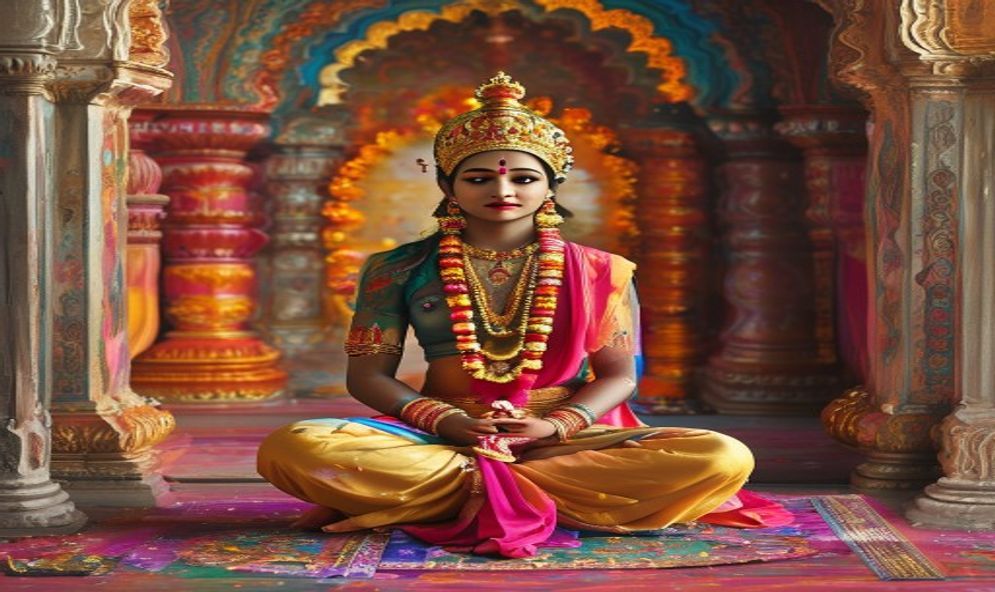
Ashadi Ekadashi 2026 - Date, Time and Deep Significance
Ashadi Ekadashi 2026 falls on Friday, July 10, 2026. This sacred day, also called Ashadha Shukla Ekadashi or Mahalaxmi Ekadashi, is the most significant Ekadashi of the Hindu calendar. The Ashadi Ekadashi 2026 date marks a pivotal moment for devotees of Lord Vishnu and Lord Vitthal across the world.
The Ekadashi tithi begins at 07:39 PM on July 09 and ends at 04:33 PM on July 10. Based on the traditional sunrise-to-sunrise calculation, the vrat should be observed on July 10. The Ashadi Ekadashi significance goes far beyond just another fasting day - it is the day when the divine energy of Lord Vishnu is most accessible to devotees.
For the Warkari community of Maharashtra, this day marks the culmination of the Pandharpur Wari pilgrimage. Millions gather at the Vitthal-Rukmini Temple in Pandharpur for the grand darshan. The spiritual atmosphere on this day is said to be beyond description.
Astronomical and Scriptural Significance of Ashadi Ekadashi
The word Ekadashi comes from Sanskrit - "Eka" meaning eleven and "Dashi" meaning day. It refers to the eleventh day of both the waxing and waning lunar fortnights. Each Ekadashi has a specific name and significance.
Astronomical Significance
From an astronomical perspective, Ashadi Ekadashi occurs when the moon is in its waxing phase (Shukla Paksha) and positioned in such a way that it exerts minimal gravitational pull on the earth. Ancient rishis understood that the human digestive system functions differently on these days. This is why Ekadashi fasting is scientifically beneficial - it gives the digestive organs a complete rest.
The human body operates on a 90% water content and the moon's gravitational pull affects bodily fluids just as it affects ocean tides. On Ekadashi, the pull is directed upward in the head region, which is why fasting on Ekadashi prevents digestive imbalances and promotes mental clarity.
Scriptural References
The Padma Purana describes Ashadi Ekadashi as "the best among all Ekadashis." Lord Krishna Himself explained to Yudhishthira about the glory of this Ekadashi. The Skanda Purana also devotes an entire chapter to Ashadi Ekadashi vrat and its benefits.
According to the scriptures, anyone who observes Ashadi Ekadashi with full faith and devotion attains the same merit as performing the Ashwamedha Yagna (horse sacrifice). The vrat is so powerful that it can liberate not just the individual but also their ancestors up to 21 generations.
Detailed Rituals of Ashadi Ekadashi 2026
The Ashadi Ekadashi rituals are comprehensive and deeply symbolic. Each ritual has a specific purpose and spiritual meaning.
Pre-dawn Preparations (Brahma Muhurta)
Devotees wake up during Brahma Muhurta (approximately 4:00 AM to 5:30 AM). This period is considered the most spiritually conducive time for meditation and prayers. The air is charged with prana (life force) and the mind is naturally calm and receptive.
A ritual bath with water mixed with Ganga jal (holy water from the Ganges) or a few drops of cow urine (gomutra) is recommended. This internal and external purification prepares the body and mind for the day-long spiritual observance.
Sankalp and Vow Taking
The sankalp (sacred vow) is the formal declaration of the vrat. Devotees hold kusha grass, flowers, and water in their right hand and recite the sankalp mantra: "Mama sakala paapa kshaya dwaara shree paramaatma preetyartham Ashadi Ekadashi vratam karishye." This translates to "For the pleasure of the Supreme Lord and for the destruction of all my sins, I will observe the Ashadi Ekadashi vrat."
This verbal commitment creates a psychological and spiritual resolve that helps the devotee maintain discipline throughout the day. The sankalp is made facing east towards the rising sun.
Worship of Lord Vitthal and Goddess Rukmini
The main Ashadi Ekadashi puja involves detailed worship of Lord Vitthal standing on his brick, hands on hips, and Goddess Rukmini beside him. The puja includes:
- Avahana - Invoking the deity into the idol or picture
- Asana - Offering a seat to the deity
- Padya - Washing the feet
- Arghya - Offering water for washing hands
- Snana - Ritual bathing (usually symbolic with water, milk, curd, ghee, honey, and sugar - the Panchamrit)
- Vastra - Offering new clothes or a yellow cloth
- Gandha - Applying sandalwood paste
- Pushpa - Offering flowers, especially tulsi leaves
- Dhupa - Lighting incense
- Deepa - Lighting a ghee lamp
- Naivedya - Offering food (fruits, milk, sugar)
- Tambula - Offering betel leaf with areca nut
- Dakshina - Offering a small donation
- Aarti - Circulating a lit lamp in front of the deity
- Mantra Pushpanjali - Offering flowers with mantras
Reading the Ashadi Ekadashi Vrat Katha
Reading or listening to the Ashadi Ekadashi vrat katha is an essential part of the observance. The story of King Mandhata and the glory of this Ekadashi explains how the vrat was first revealed to humanity.
The katha describes how even a righteous king like Mandhata needed the blessings of this Ekadashi to overcome his troubles. The story emphasizes that Ashadi Ekadashi is the most merciful of all Ekadashis because it was the first to be observed in the month of Ashadha.
You can read the complete story here: Ashadi Ekadashi Vrat Katha in English, Ashadi Ekadashi Vrat Katha in Hindi, and Ashadi Ekadashi Vrat Katha in Marathi.
Ekadashi Vrat Types and Options
Not everyone can observe a strict fast. Based on individual capacity, there are different types of Ekadashi vrat observances:
- Nirjala Vrat - Complete fast without water. This is the strictest form and is usually observed only by advanced practitioners. The merit gained is considered 10 times that of normal fasting.
- Jal Vrat - Only water allowed throughout the day and night.
- Phalahar Vrat - Fruits, milk, curd, and root vegetables (except potato, onion, garlic) are allowed. This is the most common form.
- Payo Vrat - Only milk and milk products consumed.
- Sakath Vrat - One meal at midday consisting of fruits and milk products.
Choose the vrat type that suits your health condition and spiritual capacity. The Ekadashi vrat is about mind control and devotion, not about extreme physical hardship.
Ashadi Ekadashi and the Pandharpur Wari Connection
The Ashadi Ekadashi significance is inseparable from the Pandharpur Wari pilgrimage. Every year, thousands of Warkaris (devotees of Vitthal) walk for days from various towns in Maharashtra to reach Pandharpur on Ashadi Ekadashi.
Read about the wari in detail: Pandharpur Wari 2026 Complete Guide and History of Pandharpur Wari.
The Warkaris carry the palkhi (palanquin) of their saints - Sant Dnyaneshwar, Sant Tukaram, and others - from their respective towns to Pandharpur. The atmosphere along the entire 200+ kilometer route is filled with bhajans, abhangas, and kirtans. The sight of thousands of devotees walking barefoot, singing "Gyanaba TuKaram" and "Pandharicha Vitthal" is a spectacle of faith.
Dos and Donts on Ashadi Ekadashi
To get the maximum benefit of Ashadi Ekadashi 2026, follow these guidelines:
What to do:
- Wake up early and take a bath before sunrise
- Wear clean, preferably yellow or saffron clothes
- Chant the Vishnu Sahasranam or Vitthal mantras
- Read or listen to the vrat katha
- Perform charity and donate food or clothes to the needy
- Observe celibacy (brahmacharya) on this day
- Keep a night vigil (jagran) with devotional songs
What to avoid:
- Do not consume rice, wheat, grains, or pulses
- Avoid onion, garlic, and non-vegetarian food
- Do not indulge in gossip, anger, or negative speech
- Avoid sleeping during the day
- Do not shave or cut nails/hair
- Avoid physical intimacy
- Do not eat from bronze or bell metal plates (use banana leaves or steel)
Conclusion
Ashadi Ekadashi 2026 is not just another religious observance - it is a spiritual opportunity that comes once a year. The combination of the sacred Ashadha month, the Ekadashi tithi, the Pandharpur Wari, and the divine presence of Lord Vitthal creates a once-in-a-lifetime spiritual experience.
Whether you observe the vrat at home with your family or travel to Pandharpur for the grand celebration, participate with faith and devotion. May Panduranga Vitthal bless you with peace, prosperity, and spiritual fulfillment on this holy day.