Why Modak is Lord Ganesha Favourite Sweet
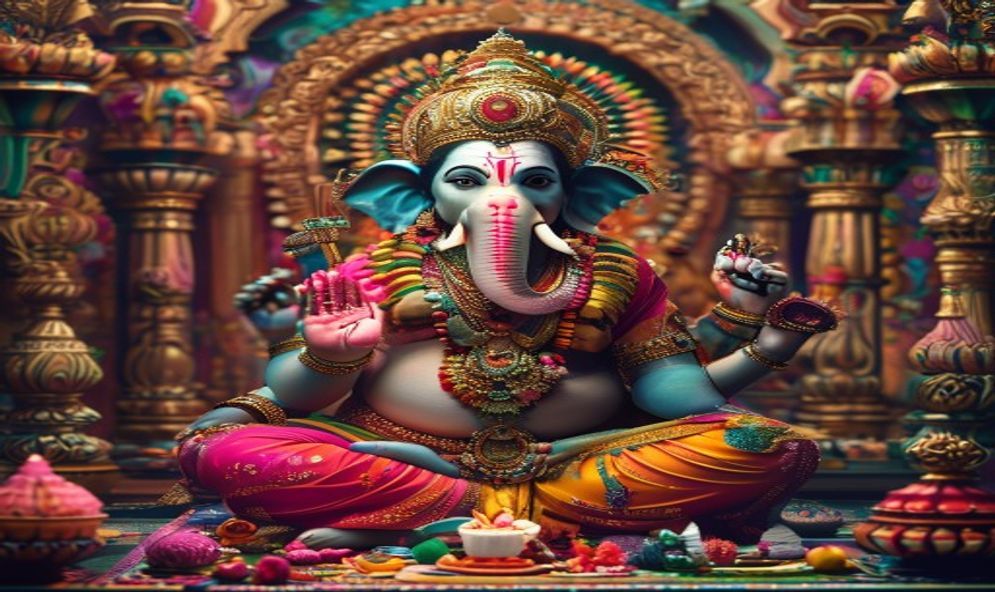
The Divine Love Between Ganesha and Modak
Among all the offerings made to Lord Ganesha, modak holds an unparalleled place. This sweet dumpling, filled with coconut and jaggery, is not just a delicacy but a symbol of divine love and spiritual wisdom. Every year during Ganesh Chaturthi, millions of modaks are prepared in homes across Maharashtra and beyond. The famous chant Ganpati Bappa Morya is often followed by the sweet aroma of steaming modaks filling the air. But why is modak so special to Ganesha? The answer lies in ancient stories, profound symbolism, and the deep connection between bhakti and food traditions. Let us explore the delicious story behind why modak became Ganesha favorite sweet forever.
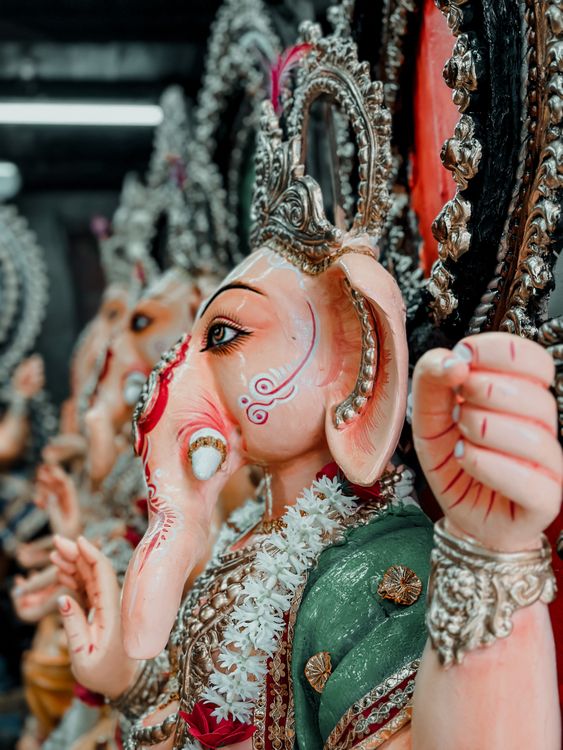
The Story of Sage Narada and the Modak
One of the most beautiful stories comes from the Puranas. Sage Narada, the celestial traveler known for his mischief and devotion, once visited Mount Kailash. He brought with him a special modak given by Goddess Parvati herself. Narada wanted to test the wisdom of Ganesha and his brother Kartikeya. He declared that whoever could circle the entire universe and return first would receive the modak. Kartikeya immediately mounted his peacock, Vahana, and rushed off to circle the cosmos. But Ganesha, with his signature wisdom, simply walked around his parents, Shiva and Parvati, three times. He explained that the entire universe resides within one parents, and circling them is equivalent to circling the cosmos. Impressed by his wisdom, Parvati lovingly fed him the modak. From that day, modak became Ganesha most beloved offering. Sage Narada praised Ganesha's wisdom greatly for this clever answer.
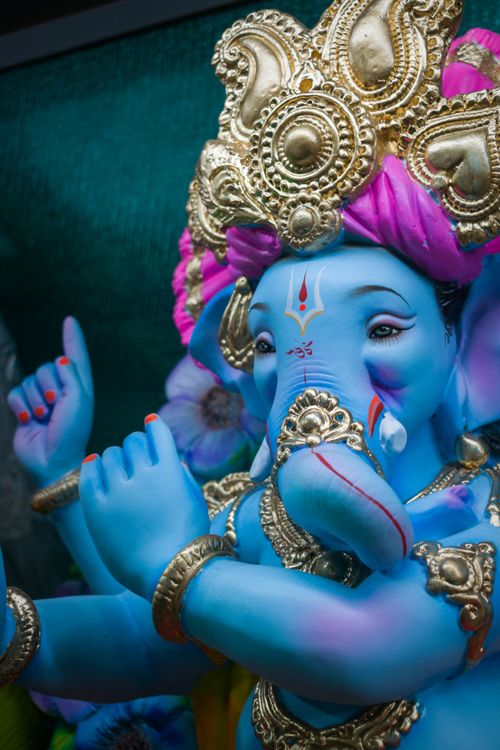
The Story of Kubera Pride
Another fascinating tale involves the wealthy king Kubera, the treasurer of the gods. Kubera was immensely proud of his wealth and invited Lord Shiva and Parvati for a grand feast. Shiva declined but sent Ganesha with a condition - if Ganesha accepted only one modak, Kubera would have to serve him. Kubera, full of ego, agreed. Ganesha ate a single modak and then demanded more. He began consuming all the food Kubera had prepared, then all the food in the kingdom, and finally started eating the entire universe. Terrified, Kubera realized his mistake and fell at Ganesha feet, begging for forgiveness. Ganesha smiled and stopped, teaching Kubera that wealth without humility is meaningless. Ganesha explained that one modak made with love and offered with devotion is superior to all the riches of the world. The lesson is clear - bhakti (devotion) is more valuable than bhoga (material enjoyment). This story reminds us that modak represents not just food but the sweet essence of divine love that can never be measured by material wealth.
Symbolism of Modak
Modak is rich with spiritual meaning. The outer covering made from rice flour or wheat flour represents the material world, the body, and external knowledge. The sweet filling of coconut and jaggery represents the inner sweetness of spiritual realization and the bliss of divine union. The way the modak is folded into pleats symbolizes the layers of existence that one must navigate to reach the divine core. The triangular shape represents Aum - the primordial sound from which the universe was created. The coconut in the filling signifies purity and fulfillment of desires, while jaggery represents the sweetness that emerges after the bitter process of spiritual refinement. When a devotee offers modak to Ganesha, they are symbolically offering their own heart - hard on the outside like the outer covering, but soft and sweet within. The outer form of modak is the world, and the inner sweetness is the bliss of God.
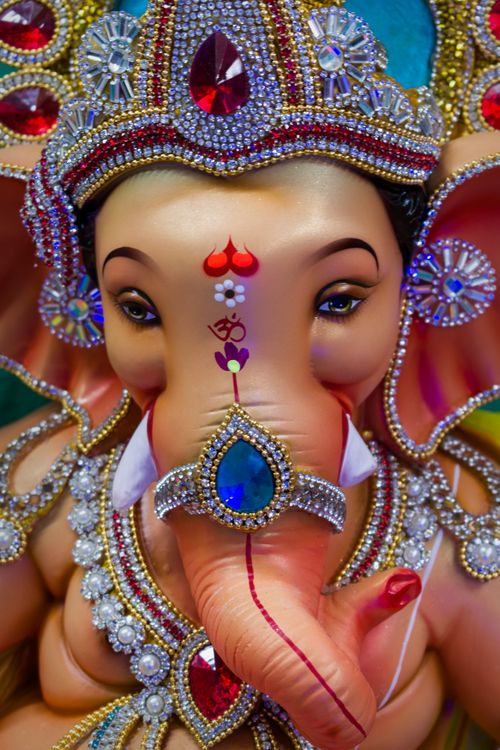
Types of Modak
Over centuries, many delicious varieties of modak have evolved across India. Here are the most popular types that devotees prepare with love for Ganesha:
1. Ukadiche Modak - The Traditional Steamed Modak
This is the most authentic variety, made from rice flour dough filled with fresh coconut, jaggery, cardamom, and nutmeg. The dough is shaped by hand into a beautiful pot-like form with pleated edges, then steamed until glossy. Ukadiche modak is considered the favorite of Ganesha and is the primary offering during Ganesh Chaturthi. The steaming process represents purification through devotion. In Maharashtra, families gather together and make hundreds of these modaks during the festival season.
2. Fried Modak - The Crispy Delight
Made from wheat flour or maida, these modaks are deep-fried to golden perfection. The filling is similar to the steamed variety but sometimes includes khoya, dry fruits, and saffron. The crispy outer layer provides a delightful contrast to the sweet, soft filling. These modaks have a longer shelf life and are often prepared for distribution as prasad to neighbors and friends.
3. Chocolate Modak - The Modern Twist
A contemporary innovation that has become very popular, especially among children. These modaks are made with chocolate, cocoa powder, and sometimes filled with chocolate truffle or nuts. While not traditional, they show how devotion adapts to changing times. Bappa is believed to accept all varieties prepared with genuine love and bhakti.
4. Mawa Modak - The Rich Indulgence
Made with khoya (reduced milk solids), mawa modaks are rich, creamy, and melt in the mouth. Flavored with cardamom, saffron, and garnished with pistachios and almonds, these are often prepared for special occasions and grand pujas. The richness of mawa represents the opulence of divine grace.
5. Dry Fruit Modak - The Healthy Offering
These modaks use a filling of mixed dry fruits, dates, figs, and nuts bound together with a little jaggery or honey. The outer layer can be made from coconut or rice flour. This variety is popular among health-conscious devotees who still want to offer something special to Ganesha without compromising on nutrition.
6. Mysore Pak Modak - The Fusion Sweet
A creative fusion of the classic Mysore Pak from Karnataka with the traditional modak shape. Made from gram flour, ghee, and sugar, these are rich, dense, and incredibly delicious. This variety represents the beautiful diversity of Indian cuisine and how regional flavors blend in devotion.
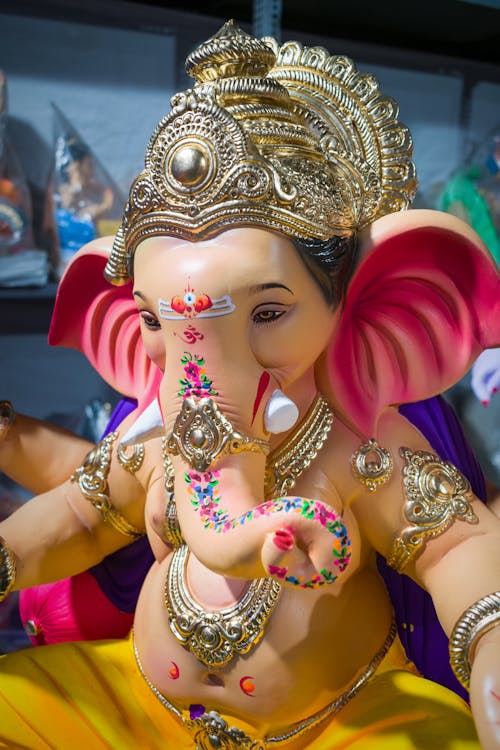
Traditional Modak Recipe
Here is a step-by-step overview of how to prepare Ukadiche Modak, the classic offering for Ganesha:
For the filling: Grate one cup of fresh coconut. In a heavy-bottomed pan, heat a teaspoon of ghee. Add the grated coconut and three-fourths cup of grated jaggery. Cook on low flame, stirring continuously, until the mixture thickens and leaves the sides of the pan. Add half a teaspoon of cardamom powder, a pinch of nutmeg powder, and optionally some poppy seeds or grated dry fruits. Let the filling cool completely.
For the outer covering: Bring one cup of water to a boil with a teaspoon of ghee and a pinch of salt. Gradually add one cup of rice flour, stirring continuously to avoid lumps. Cover and let it rest for five minutes. When cool enough to handle, knead the warm dough until smooth and pliable. The dough should be soft but not sticky.
Shaping and steaming: Grease your palms with ghee. Take a small lemon-sized portion of dough and flatten it into a circular disc about three inches in diameter. Place a spoonful of the filling in the center. Carefully lift the edges and pleat them, gathering them at the top to form a pot-like shape with a closed tip. Place the modaks in a greased steamer basket, leaving space between each. Steam for ten to twelve minutes until the outer layer becomes glossy and translucent. Serve warm as naivedya to Lord Ganesha. Ganesha loves modak very much, and offering it with devotion brings his special blessings.
Modak in Ganesh Chaturthi Celebrations
Ganesh Chaturthi is the biggest festival dedicated to Ganpati, and modak is the star of the celebration. In Maharashtra, the phrase Ganesh Chaturthi ka modak is synonymous with the festival itself. Families prepare 21 modaks to offer during the main puja - this number corresponds to the 21 leaves and the 21 forms of Ganesha. The modaks are offered as naivedya (food offering) during the afternoon aarti. After the puja, the modaks are distributed as prasad to family members, neighbors, and friends. The act of sharing modaks strengthens community bonds and spreads the joy of the festival. In many communities, modak-making competitions are held, and new recipes are shared. The festival pavilions (pandals) often distribute thousands of modaks to visitors. The love for modak has even inspired modern bakers to create Ganesha-themed modak cakes, modak ice cream, and modak-flavored beverages.
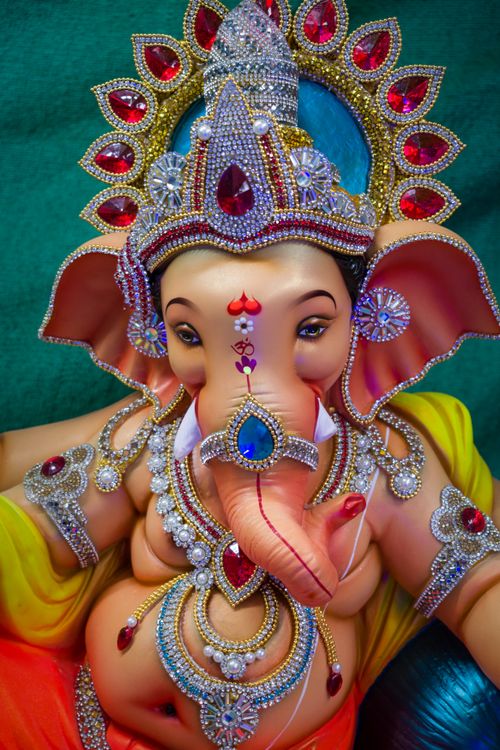
The Inner Meaning of Offering Modak
When we offer modak to Ganesha, we are offering more than just a sweet. We are offering our ego to be transformed into wisdom. The hard outer shell of the modak represents our outer persona, our protective walls, and our material attachments. The sweet inner filling represents the divine essence that resides within all of us. By offering modak, we ask Ganesha to break our outer shell so that the inner sweetness of our true nature can be revealed. The act of preparing modak is itself a meditation - kneading the dough, preparing the filling, shaping the pleats, and steaming with patience all require focus and love. Modak teaches us that inner sweetness is more important than outer appearance. This simple sweet dumpling carries the deepest teachings of Sanatan Dharma.
Modak Across Regions
While Maharashtra is most famous for the modak-Ganesha connection, similar sweets exist across India with different names. In Gujarat, they make Karanji or Gujiya - deep-fried dumplings with a similar coconut-jaggery filling. In South India, Kozhukkatta are rice flour dumplings with coconut filling offered during Vinayaka Chaturthi. In Karnataka, Kadubu are steamed dumplings offered to Ganesha. In Tamil Nadu, Modakam is prepared in the same way as the Maharashtrian version. In Goa, Nevryo are similar fried dumplings. This widespread tradition shows that the love for Ganesha and sweet offerings transcends regional boundaries. Every region adds its own local flavors and techniques, but the essence remains the same - offering the sweetest and most lovingly prepared food to the most beloved deity. Ganpati Bappa Morya, Pudhchya Varshi Lavkar Ya! May Bappa bless all of us with wisdom, prosperity, and the sweetness of devotion in our lives.