Vastu Plants for Study Rooms That Enhance Positive Energy
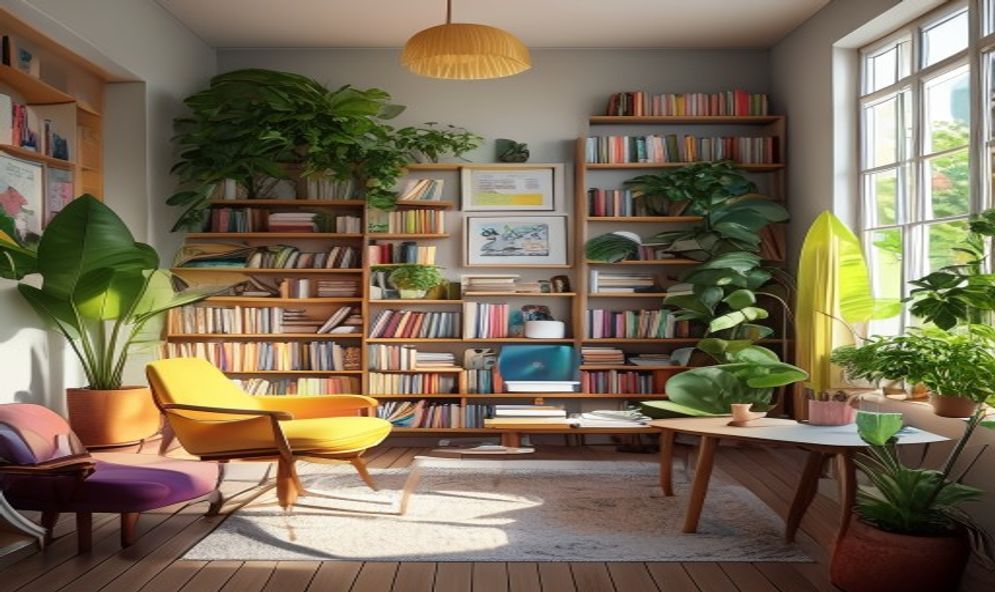
Plants are nature's gift to humanity. They purify the air, uplift the mood, and bring a sense of calm to any space. In Vastu Shastra, plants play a vital role in balancing the five elements and creating positive energy. Vastu plants study room setups are highly recommended for students because they improve air quality, reduce stress, and enhance concentration. Let us explore the best indoor plants Vastu for study rooms and how to place them correctly.
Why Plants Are Important in Study Rooms
Plants bring the Earth element into the room, which creates stability and grounding. They also release oxygen and absorb carbon dioxide, improving air quality and brain function. Studies show that having plants in a room can increase productivity by up to 15 percent and improve memory retention by 20 percent. The green color of leaves is also calming to the eyes after long hours of screen time or reading.
From a Vastu perspective, plants attract positive energy and repel negative vibrations. They act as natural filters for the energy in a room. A study room with healthy, thriving plants feels alive and energizing. A room without plants can feel dry and stagnant. Adding positive energy plants is one of the easiest Vastu adjustments you can make.
Best Plants for Study Rooms
Money Plant The All-Rounder
The money plant is the most recommended plant in Vastu. It is known for bringing good luck, prosperity, and positive energy. In a study room, the money plant enhances concentration and mental clarity. It grows easily in water or soil and requires minimal care. Place the money plant in the east or northeast corner of the room. Let its vines grow upward on a support to symbolize growth in knowledge.
Snake Plant Air Purifier Supreme
The snake plant is one of the best air-purifying plants. It releases oxygen at night, making it ideal for rooms where students also sleep. The snake plant absorbs toxins like formaldehyde and benzene from the air. Clean air means better brain function and fewer headaches during study sessions. Place the snake plant in the southeast or south corner of the study room.
Bamboo Plant Growth and Flexibility
The bamboo plant symbolizes growth, flexibility, and resilience. These are all qualities that students need. Bamboo is easy to care for and grows quickly, mirroring the student's own growth in knowledge. Place bamboo stalks in the east corner of the study room. Use an odd number of stalks (3, 5, or 7) for maximum positive energy. Tie a red ribbon around the stalks for added protection and luck.
Tulsi (Holy Basil) Spiritual Energy
Tulsi is considered the most sacred plant in Indian culture. It purifies the air and emits spiritual energy that clears negative thoughts. Tulsi helps students stay focused and calm during exam stress. Place Tulsi in the northeast or east direction of the study room. Water it daily and offer a small lamp near it in the evening for positive vibrations.
Lavender Calm and Relaxation
Lavender is known for its calming properties. The scent of lavender reduces anxiety and promotes restful sleep. Keeping a lavender plant in the study room helps students relax during breaks and sleep better at night. Place lavender near the window where it can get sunlight. If you cannot grow it indoors, use dried lavender sachets or lavender essential oil in a diffuser.
Aloe Vera Protection and Healing
Aloe vera is a succulent that requires very little care. It absorbs electromagnetic radiation from electronic devices, which is beneficial for study rooms with computers or tablets. Aloe vera also purifies the air and has healing properties. Place an aloe vera plant on the study table near the laptop or computer to neutralize harmful radiation. It is one of the best study room greenery options available.
Plants to Avoid in Study Rooms
Not all plants are suitable for study rooms according to Vastu. Avoid these types:
- Thorny plants: Cactus, rose, and other thorny plants emit harsh energy. They can create arguments and stress. Keep these out of the study room.
- Bonsai: Bonsai trees represent stunted growth. Keeping them in a study room can symbolically limit the student's growth. Avoid bonsai in educational spaces.
- Creeping plants: Plants that crawl on walls or floors can bring negative energy. Keep trailing plants in pots where they do not touch the ground.
- Artificial plants: Fake plants have no life energy. They collect dust and create stagnant energy. Always use real, living plants in the study room.
Placement Guidelines for Maximum Benefit
- East corner: Best for money plant, bamboo, and Tulsi. Enhances concentration and knowledge.
- Northeast corner: Ideal for Tulsi and small flowering plants. Attracts spiritual energy and clarity.
- North corner: Good for snake plant. Encourages discipline and focus.
- Southeast corner: Suitable for aloe vera and plants near electronic devices. Absorbs radiation.
- On the study table: A small potted plant like bamboo or aloe vera on the table corner keeps energy fresh.
Read more study room Vastu tips for focus and learning to complement your plant placement strategy.
Plant Care and Maintenance
A healthy plant radiates positive energy. A dying or neglected plant does the opposite. Follow these care tips:
- Water plants regularly but do not overwater. Check the soil moisture before watering.
- Keep leaves clean by wiping them with a damp cloth. Dust blocks the plant's ability to purify air.
- Prune dead leaves and stems immediately. Dead plant parts emit negative energy.
- Talk to your plants. Sounds strange, but plants respond to positive human interaction.
- Replace any plant that is not thriving. A struggling plant does more harm than good.
Vastu recommended plants are only effective when they are healthy and well-cared for. Make plant care part of the student's daily routine to teach responsibility and connection with nature.
Frequently Asked Questions
How many plants should I keep in the study room?
Two to three plants are sufficient for a medium-sized study room. Too many plants can create excess Earth energy and make the room feel heavy.
Can I keep flowering plants in the study room?
Yes, but choose flowers with mild scents. Strongly scented flowers like jasmine or gardenia can be distracting. White or yellow flowers are best for study rooms.
Adding plant placement Vastu to your study room is a natural, cost-effective way to boost positive energy. A single plant can transform the entire feel of the room and your child's attitude toward studying.