Vastu Color Psychology: Create a Study Room That Encourages Learning
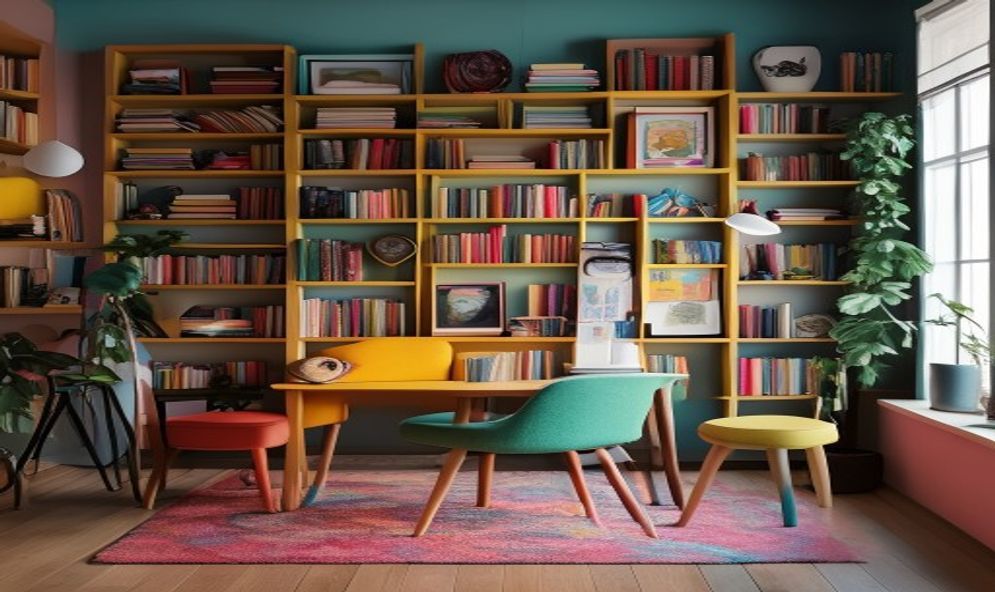
Creating a study room that encourages learning goes beyond furniture and organization. Vastu color psychology reveals how the right colors can transform a passive room into an active learning environment. Colors speak directly to the subconscious mind, influencing mood, motivation, and mental performance. As a Vastu consultant, I have seen study rooms completely transformed by strategic color choices that learning colors research supports.
How Colors Influence Learning
Every color emits a specific wavelength that interacts with the brain's neurochemistry. Study room psychology has identified that colors affect cognitive functions including attention span, memory retention, reading speed, and creative thinking. The ancient Vastu texts described these effects thousands of years ago through their system of elemental color associations. Modern science is now validating what Vastu practitioners have known for millennia.
The Vastu Color Psychology Framework
Yellow: The Learning Accelerator
Yellow is the most powerful learning color in the Vastu palette. It stimulates the intellect, enhances concentration, and promotes positive thinking. Color encouragement studies show that yellow increases the production of serotonin, the mood-stabilizing neurotransmitter. A yellow-accented study room creates an atmosphere of optimism and mental alertness. Use pale yellow on walls or bright yellow as an accent color.
Green: The Focus Sustainer
Green is the color of nature, balance, and harmony. Vastu learning room recommendations always include green for its ability to sustain focus over long periods. Green reduces eye strain, which is critical for students who spend hours reading. It also promotes a calm, steady mental state that is ideal for absorbing complex information. Sage green or mint green are excellent wall color choices.
Blue: The Analytical Thinker
Blue stimulates logical thinking and mental clarity. Motivational colors research indicates that blue environments improve performance on tasks requiring focused attention and analytical reasoning. Blue also lowers blood pressure and heart rate, creating a relaxed but alert state. Sky blue or powder blue work well for study rooms, especially for older students studying technical subjects.
White: The Mental Canvas
White represents purity, clarity, and infinite possibilities. In a study room, white provides a neutral backdrop that allows the mind to focus without color-induced emotional responses. Academic colors Vastu recommends white for students who are easily distracted by visual stimuli. Use white for ceilings, trim, and furniture, and combine it with colored walls for balance.
Room-by-Room Color Application
Walls
The walls occupy the largest visual area and set the room's energy. For a study room, choose pale yellow, light green, or sky blue. Use matte finish paint to reduce glare. The wall in front of the study table can be a slightly different shade to create focal depth.
Furniture
Study tables and bookshelves should be in natural wood tones or white. Avoid dark wood finishes as they absorb light and create heavy energy. The chair can have a colored cushion that matches the room's accent color.
Accessories
Use accessories to introduce accent colors. Curtains, cushion covers, table mats, wall art, and desk organizers can bring in yellow, green, or blue accents without the commitment of painting entire walls. Rotate accessories periodically to keep the energy fresh.
Lighting
Lighting affects how colors appear and function. Yellow light enhances yellow walls. White light makes blue walls appear more crisp and focused. Consider installing dimmable lights to adjust the color intensity based on the time of day and the student's energy level.
Color Combinations for Different Learning Styles
- Analytical learners: Blue walls with yellow accents. Supports logical thinking and problem-solving.
- Visual learners: Light green walls with white furniture. Reduces eye strain and supports visual memory.
- Kinesthetic learners: Pale yellow walls with natural wood furniture. Provides grounding energy and mental stimulation.
- Auditory learners: Sky blue with lavender accents. Creates calm focus for listening and processing verbal information.
- Reading/writing learners: White walls with green and yellow accents. Provides clarity and sustained energy for long reading sessions.
Implementing Vastu Color Psychology
Start by assessing your child's learning style and the current room colors. Identify one area to change: perhaps repainting a single accent wall or replacing curtains and accessories. Implement the change and observe your child's response over two weeks. Look for changes in study duration, comprehension, and willingness to study. Gradual implementation allows you to fine-tune the color environment based on real feedback. The goal is not just to create a beautiful room, but to create a space that actively supports your child's unique learning journey.
Frequently Asked Questions
Can too much yellow be harmful?
Yes, excessive yellow can cause overstimulation and anxiety. Use pale yellow for walls and reserve bright yellow for small accents.
Should the study room color match the child's personality?
Partially. Consider the child's preferences, but prioritize colors that support the learning activity. A compromise between preference and functionality works best.
How do colors affect online learning?
Colors in the room behind the screen influence the student's mental state during online classes. The wall visible behind the monitor or laptop should be in a Vastu-recommended learning color.