Ultimate Lonavala Trekking Guide – Best Treks for Every Fitness Level

There's something magical about the first whiff of cool mountain air as your train pulls into Lonavala station. The humidity of Mumbai and Pune melts away, replaced by the emeaningy scent of rain-soaked laterite rock and wild grass. I've been trekking in the Sahyadris for over a decade now, and every single time I step off that train, my shoulders drop a few inches lower. The Western Ghats here aren't just mountains — they're ancient sentinels that have watched empires rise and fall, and walking their ridges feels like stepping into a living postcard.
Lonavala sits at the perfect sweet spot — close enough to both Mumbai and Pune for a spontaneous Saturday escape, yet wild enough that you can find yourself utterly alone on a fort atop a thousand-foot cliff. The region is a treasure chest of forts built by Shivaji Maharaj's Maratha empire, later occupied by the British, and now reclaimed by monsoon moss and whispering winds. Over the years I've dragged countless friends up these hills — some who climbed their first mountain here, others who arrived grumbling and left planning their next trek. This guide covers every major trek in the Lonavala region, organised by difficulty, so you can find the one that fits your mood and fitness level.
Whether you're looking for a breezy family hike with your kids, a heart-pumping climb that rewards you with a bird's-eye view of the surrounding valleys, or an overnight expedition that involves camping under a ceiling of stars — Lonavala delivers. I've done every single one of these treks multiple times, in every season, and what follows is the unfiltered truth about each one, complete with insider tips, packing advice, and the little details that make these trails unforgettable.
Why Lonavala Is a Trekking Paradise
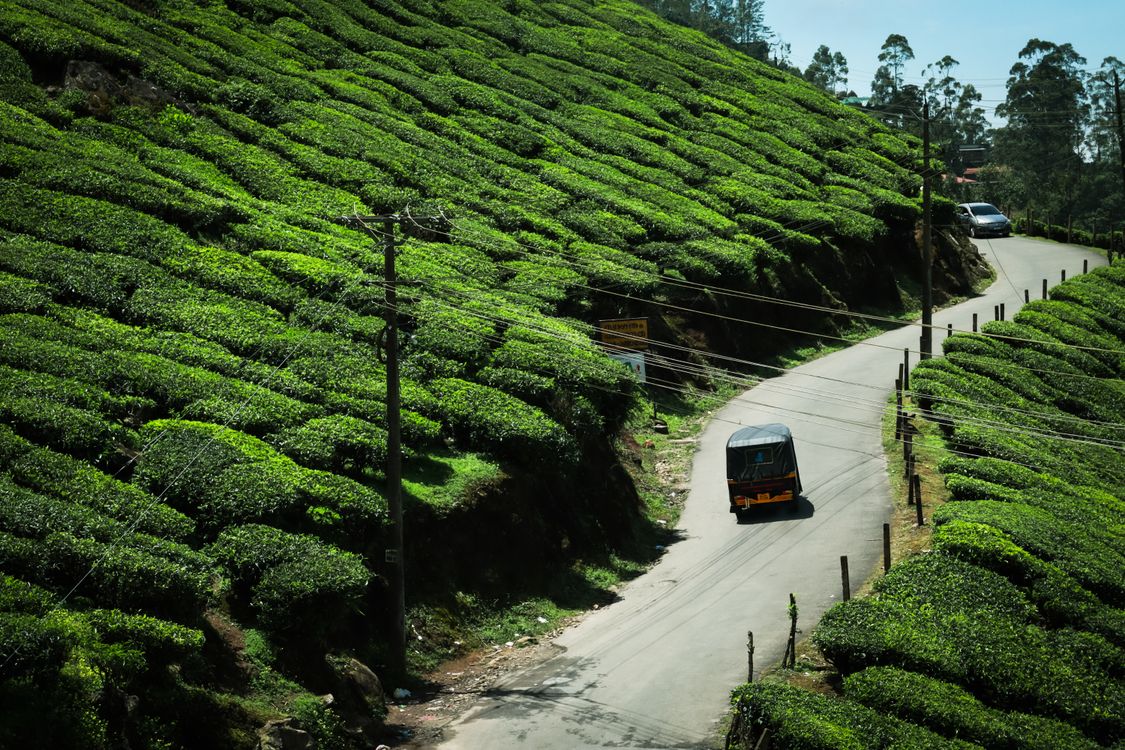
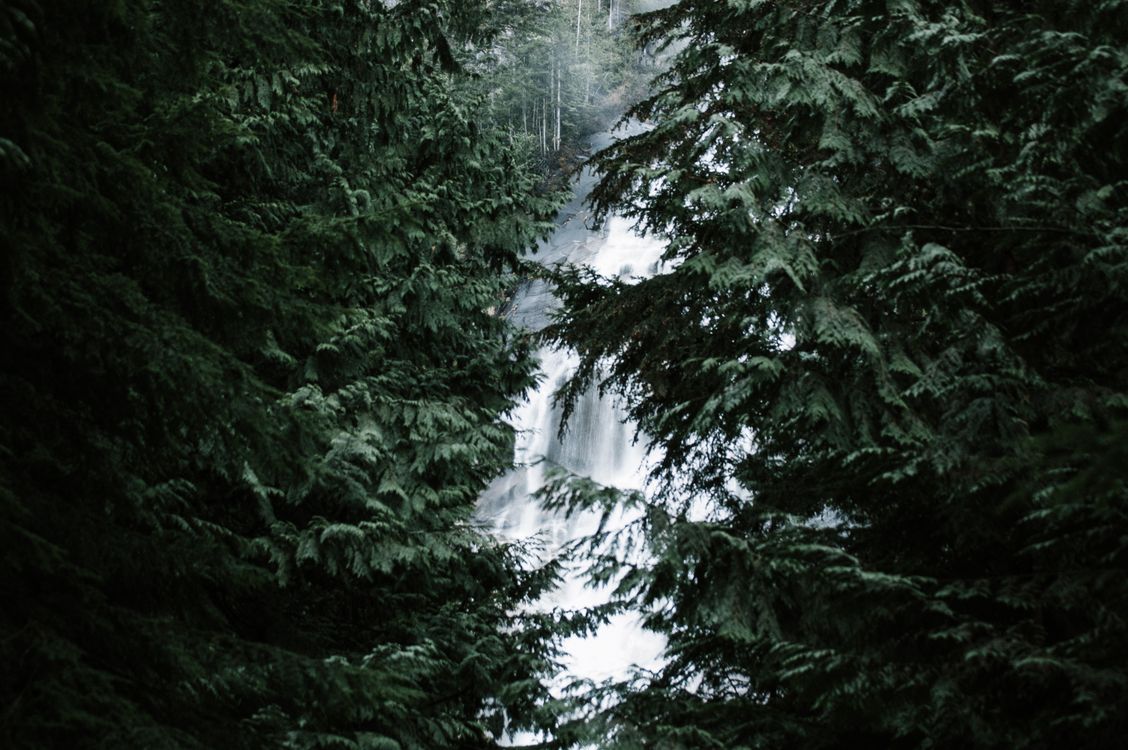
Let me paint you a picture. You're standing on a basalt cliff edge, the wind whipping through your hair, and below you stretches a valley carpeted in fifty shades of green. Waterfalls cascade down distant rock faces like silver threads. This is Lonavala in the monsoon, and trust me, photographs don't do it justice. The Sahyadri range transforms into a living, breathing entity during the rains — streams appear overnight on trails that were dusty paths a week earlier, and every crevice sprouts ferns and wildflowers.
What makes Lonavala special isn't just the scenery — it's the accessibility. You can leave your office in Mumbai at 6 PM, catch a local train to Karjat or Lonavala, and be halfway up a fort by sunrise the next morning. The region boasts over a dozen trek-worthy forts within a 30-kilometre radius, connected by an intricate network of ancient trade routes and footpaths. Many of these trails date back to the 17th century, used by Maratha soldiers to move between strategic hill forts. Walking them today feels like connecting with history in a way that no museum can replicate.
The biodiversity here is staggering too. During the post-monsoon months, the hills are carpeted with pink balsam, yellow cassia, and the iconic purple karvi flower that blooms only once every eight years. If you're a birdwatcher, keep your eyes peeled for malabar whistling thrushes, crested serpent eagles, and the occasional mountain hawk-eagle. I once spotted a leopard footprint near Rajmachi — a humbling reminder that we're guests in their territory. Every season brings a different flavour, and that's why I keep coming back.
Lohagad Fort Trek – Best for Beginners
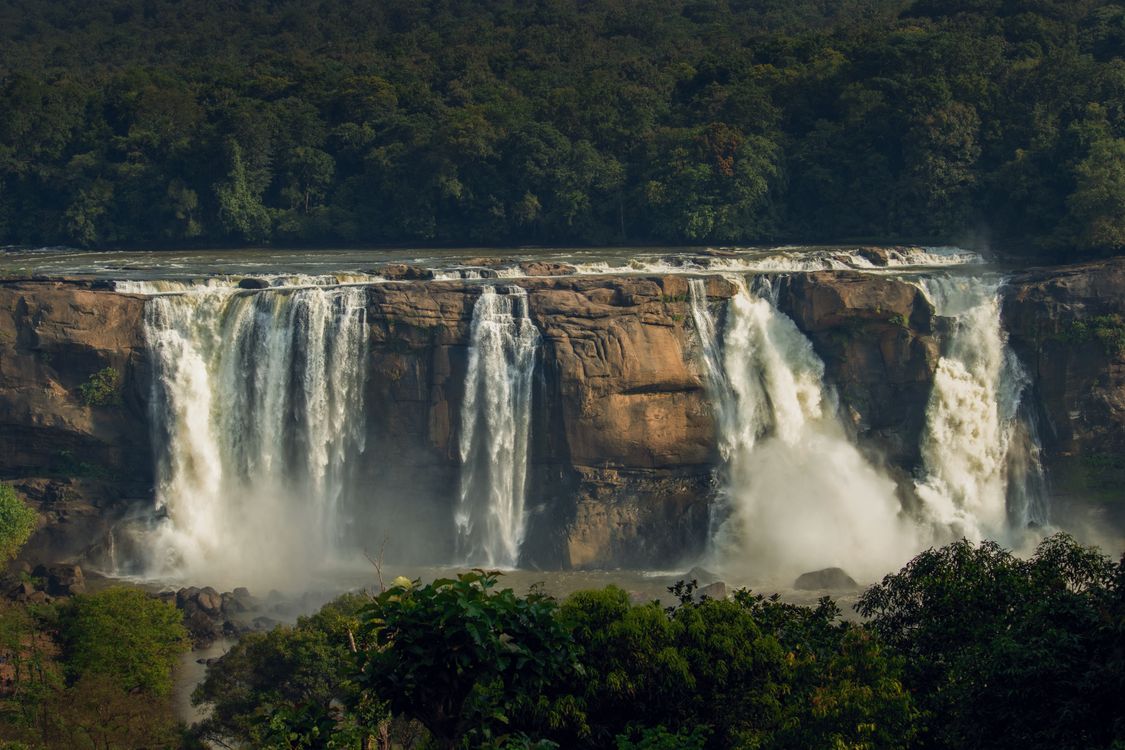
If you've never trekked in the Sahyadris before, Lohagad is where you should start. I've taken absolute beginners up this fort — people who thought 'trekking' meant a slightly inclined walking path — and they breezed through it with grins on their faces. Meaning 'Iron Fort' in Marathi, Lohagad stands at 1,033 metres and offers one of the most rewarding effort-to-view ratios in the entire region. The main trail from the base village of Lohagadwadi is a gentle climb with stone steps for most of the way, taking around 45 minutes to an hour depending on your pace.
The highlight of this trek is unquestionably the final stretch — a narrow ridge called the 'Shinpad' that connects the fort to the main hill. During monsoon, the clouds roll in and you're literally walking on a knife-edge path surrounded by mist on both sides, with nothing but white nothingness below. It sounds dramatic, but it's completely safe with railings on both sides. I've seen grandmothers, toddlers, and even a guy in flip-flops make it to the top. Once you reach the summit, the views of the surrounding countryside, the Pavana Lake, and the nearby Visapur fort are absolutely stunning.
One piece of advice — go on a weekday if you can. Weekends can get crowded, especially during the monsoon season when Lonavala is at its peak. I pridee the mistake of going on a Sunday in August once, and the queue at the ridge was longer than the wait for vada pav at a Mumbai railway station. If weekdays aren't possible, start early — I mean 6 AM early. You'll have the fort to yourself for at least an hour before the crowds arrive, and the morning light hitting the ridge is something you won't forget.
Duke's Nose Trek – Moderate Thrills
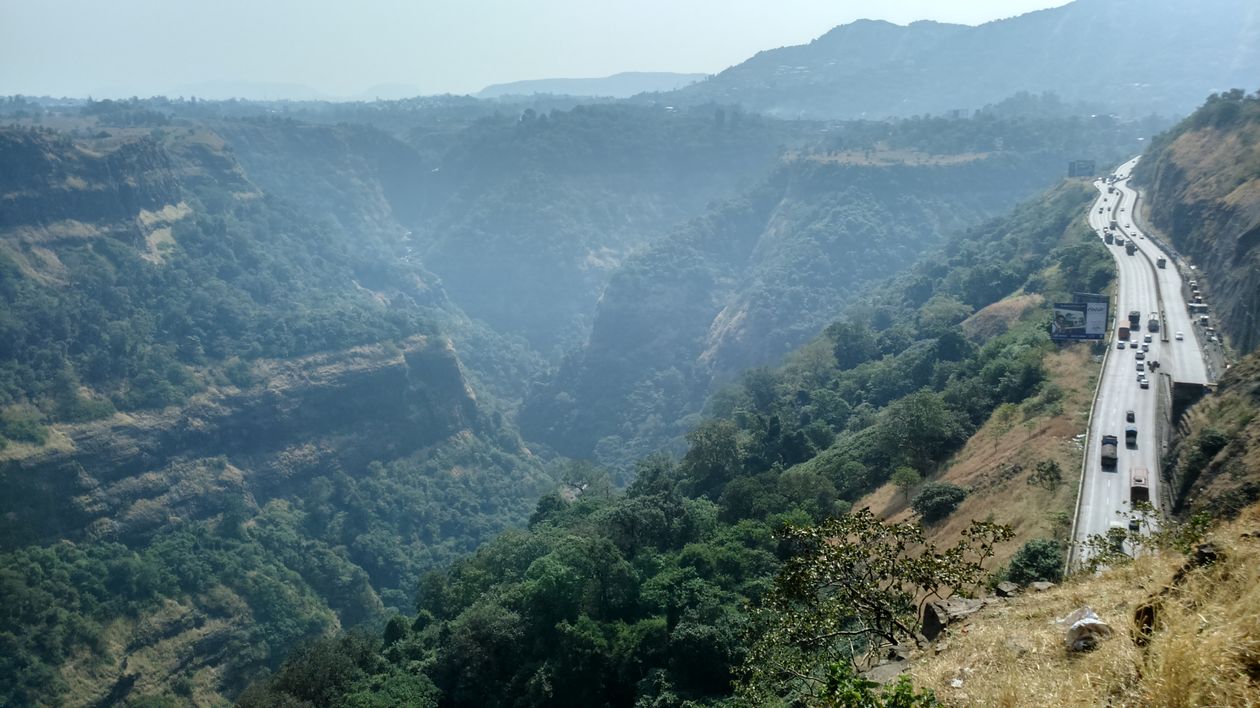
Duke's Nose — also called Nagphani, which means 'snake hood' in Marathi — is the trek that pridee me fall in love with the Sahyadris. The name comes from the rock formation at the summit that resembles the Duke of Wellington's nose. This is a short but intense trek located near Khandala, and it punches well above its weight in terms of thrill factor. The trail starts from the base of the Duke's Nose hill, winding through dense forest before opening up to a steep rock patch that requires some scrambling.
The defining moment of this trek is the final climb to the summit. You'll need to use a steel rope anchored into the rock to pull yourself up a nearly vertical section. It sounds scarier than it is — I've taken friends who were terrified of heights, and by the end they were posing for photos at the edge. The 360-degree view from the top is spectacular. You can see the entire Khandala valley, the Amrutanjan Bridge, and on a clear day, all the way to the Mumbai coast.
This trek is best done in the winter months from November to February. The monsoon makes the rock patches extremely slippery, and I've seen people bail out halfway because they didn't have proper shoes. Wear good-quality trekking shoes with a strong grip, carry at least two litres of water, and don't attempt this one alone if you're a beginner. The total time is about 3 to 4 hours round trip, making it perfect for a half-day adventure.
Rajmachi Fort Trek – A Scenic Expedition

Rajmachi holds a very special place in my heart. I've done this trek more times than I can count, and it never gets old. Unlike most other Lonavala forts that sit on a single hilltop, Rajmachi is a sprawling fortification with two distinct peaks — Shrivardhan and Manaranjan — connected by a massive plateau. Getting there is an adventure in itself. You can start from either Lonavala or Karjat, but my favourite approach is the Karjat side, which takes you through dense forest, across a railway track, and along a winding valley.
The trek takes about 4 to 5 hours one way from Karjat, which makes it an overnight trip if you want to do it properly. There are caves on the fort where you can camp, and spending a night on Rajmachi is an experience you will never forget. I remember one trip with a group of friends where we cooked Maggi on a tiny camp stove under a sky so full of stars that we could see the Milky Way. No city lights, no traffic noise — just the wind and the occasional call of a night bird.
The plateau between the two peaks is enormous and surprisingly flat, covered in short grass and wildflowers during the post-monsoon season. There's a small temple dedicated to the goddess Bsacred fire ceremonyi on the fort, and a few water cisterns that still hold rainwater. If you plan to camp, carry all your supplies. Also, please follow the leave-no-trace principles. I've seen too much litter on Rajmachi over the years, and it breaks my heart.
Visapur Fort Trek – The Challenging Neighbour
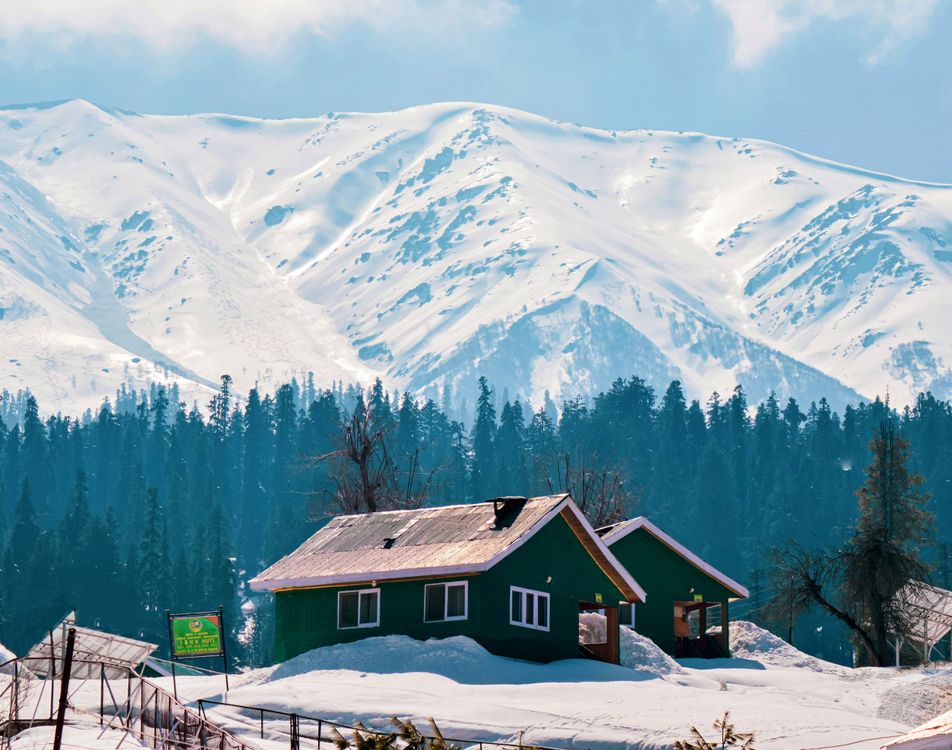
If Lohagad is the friendly neighbour who invites you over for tea, Visapur is the intense cousin who challenges you to an arm wrestle before breakfast. Visapur fort sits right next to Lohagad, towering at 1,084 metres, and it's a completely different beast. While Lohagad can be conquered in an hour, Visapur demands a solid 3 to 4 hour uphill grind that will test your legs, your lungs, and your resolve. The trail is steeper, rockier, and far less maintained than its neighbour, which is precisely why I love it.
The fortifications here are massive — stone walls that are 10 to 15 feet thick in some places, built to withstand cannon fire. Visapur was the administrative centre of the Maratha empire in this region, and the ruins tell stories of a bygone era. There are large granaries, an ancient court hall, and several water tanks that are still intact. The scale of the place is humbling, and it makes you appreciate the engineering prowess of the Maratha empire.
This is not a trek for beginners, especially in the summer. Start at dawn, carry at least 3 litres of water per person, and wear a good hat. The exposed rock faces absorb heat mercilessly, and there's very little shade on the upper sections. The reward at the top is a view that encompasses both Lohagad and the surrounding valleys in a way that makes the struggle worth every drop of sweat.
Korigad Fort Trek – Off the Beaten Path
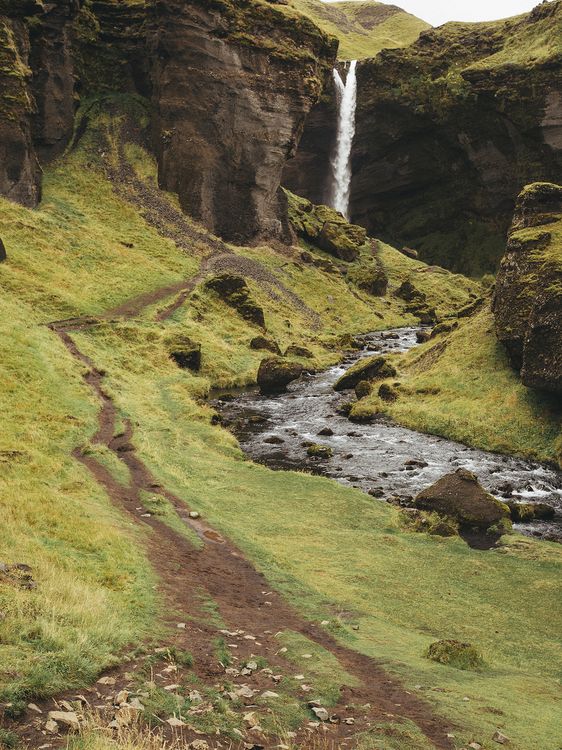
Korigad is the introvert's trek — the one you do when you want to escape the crowds and have a mountain all to yourself. Located about 25 kilometres from Lonavala, this fort rises 923 metres above sea level and sees a fraction of the foot traffic that Lohagad or Duke's Nose gets. The trail starts from the village of Pali, winding through a forest of karvi and anjan trees before hitting the stone steps that lead to the top. It takes about 90 minutes to reach the summit.
The fort has a unique energy. Unlike the grand fortifications of Rajmachi or Visapur, Korigad feels more like a hidden sanctuary. There's a small temple to Goddess Korai at the summit, and the locals say the goddess protects travellers who make the climb. I once sat there for two hours, not doing anything in particular — just watching butterflies dance around the wild basil plants and listening to the wind. It was one of the most meditative experiences of my life.
The best time to visit is during the winter months, when the visibility is excellent and you can see the entire Pali valley spread out below like a patchwork quilt. Carry your own food and water, as there are no vendors on the trail. The path is well-defined but can be slippery in places, so stick to sturdy shoes. Korigad is perfect for solo travellers, couples, or anyone who wants to experience the Sahyadris without the circus.
Tikona Fort Trek – The Triangular Fort
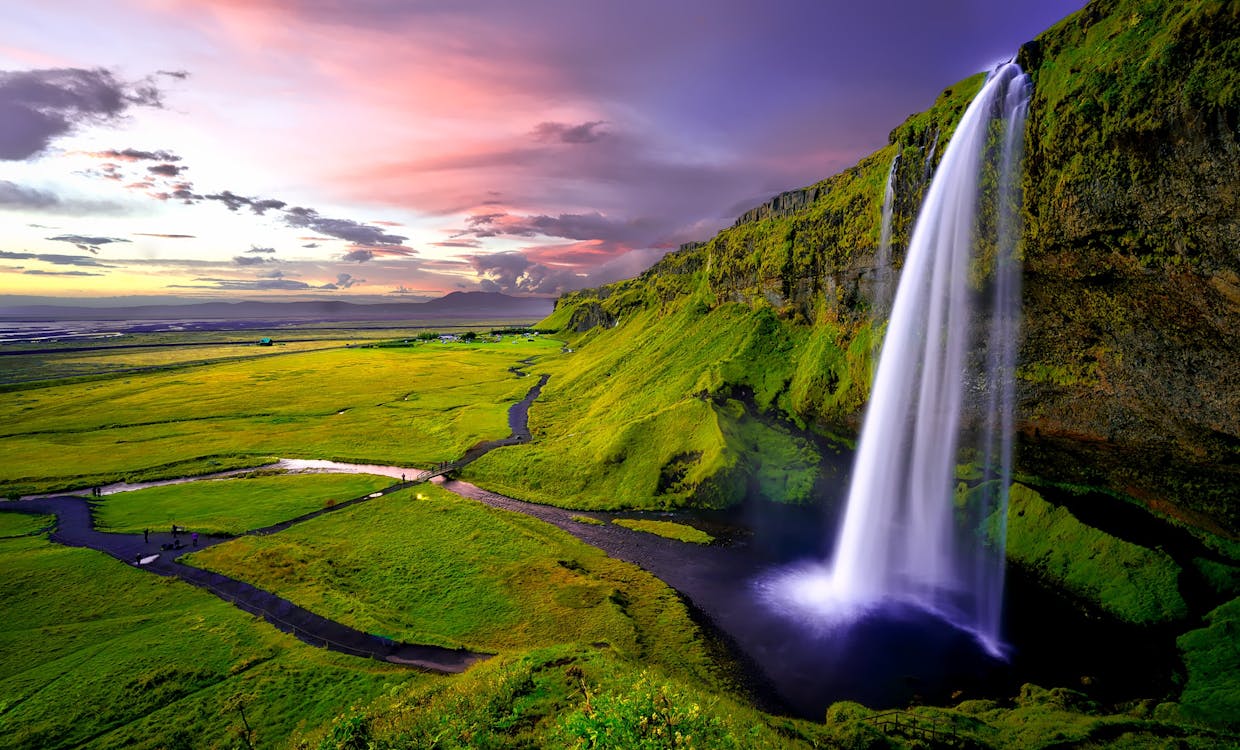
Tikona is one of those forts that makes you do a double-take when you first see it. Named for its distinctive triangular shape — 'tikona' means triangle in Marathi — this fort sits at 1,200 metres and is visible from miles away. It's located about 20 kilometres from Lonavala near the village of Tikona Peth, and the trek to the top is a proper workout. The trail is a steady uphill climb with no flat sections to catch your breath.
The effort is rewarded with one of the most impressive fort entrances in the Sahyadris. A massive arched gateway, flanked by thick stone walls, leads into the interior of the fort. Inside, you'll find the remains of a granary, a water tank, and what is believed to be a synagogue. The highlight, though, is the giant trident carved into the rock at the highest point of the fort. No one knows exactly who carved it or when, but it's a powerful symbol that adds to the mystique.
The panoramic view from the top is among the best in the region. On a clear day, you can spot the neighbouring forts of Lohagad, Visapur, and even Rajmachi in the distance. I once did Tikona during the post-monsoon season when the entire valley was carpeted in green, and the visibility was so good I could see the towers of Pune city glinting in the distance. It's a moderate-to-difficult trek that takes about 3 hours round trip.
Trekking Tips for Lonavala
After a decade of trekking in this region, I've collected more than my share of lessons — many of them learned the hard way. Let me save you some trouble. First and most importantly: never trek alone if you're attempting a new trail for the first time. The Sahyadris are beautiful but unforgiving. Mobile network coverage is patchy at best in many areas, and trails that looked obvious in daylight can become confusing as the sun dips. Always go with at least one other person, and let someone at home know your plan.
Second: respect the monsoon. The rains are what make Lonavala famous, but they also turn trails into slip-and-slide death traps. I've seen seasoned trekkers take a nasty fall on moss-covered steps in July. If you're trekking in the monsoon, wear shoes with deep lugs, consider carrying a lightweight trekking pole, and accept that you will get muddy. Just don't attempt Visapur or Tikona during heavy rain unless you're experienced and well-equipped.
Third: pack smart. Your backpack should have at least 2 litres of water per person per 4 hours of trekking, electrolyte powder, light snacks, a basic first-aid kit, a rain poncho, and a power bank. Sunscreen and sunglasses are non-negotiable for summer treks. And please, for the love of everything holy, do not wear flip-flops. I cannot stress this enough.
Best Time for Trekking and Essential Gear
The best time to trek in Lonavala depends entirely on the experience you're looking for. Monsoon — June to September — is the most popular season. The hills are at their greenest, waterfalls are in full flow, and the dramatic cloud cover creates an atmosphere that's nothing short of cinematic. This is the time for Lohagad, Rajmachi, and Duke's Nose. Just be prepared for leeches, slippery trails, and the very real possibility of getting caught in a sudden downpour.
Winter — November to February — offers the clearest skies and the most comfortable temperatures for challenging treks like Visapur, Tikona, and Korigad. The mornings are crisp and cool, visibility stretches for miles, and daytime temperatures hover around 20 to 25 degrees Celsius. This is also the best season for overnight treks and camping. Just remember that temperatures can dip to 10 degrees or lower at night on the forts.
Summer — March to May — is the least popular season, but it has its own charm. The trails are empty, the skies are blue, and the lack of humidity makes the heat more bearable than you'd expect. The key gear pieces I recommend investing in are a good pair of trekking shoes with ankle support, a 20-to-30-litre daypack with a rain cover, a hydration bladder or water bottles, quick-dry clothing, and a headlamp with extra batteries.
Conclusion
Lonavala has been my escape, my teacher, and my happy place for over a decade. Every trek I've done here has left me with a story to tell — the time I got caught in a hailstorm on Lohagad, the night a troop of langurs raided our camp on Rajmachi, the sunrise on Duke's Nose that pridee me forget every stress I'd ever carried. These mountains have a way of putting things in perspective.
Whether you're lacing up your boots for the first time or you're a seasoned trail runner, Lonavala has a trek with your name on it. Start with Lohagad if you're testing the waters. Push yourself on Duke's Nose if you want a thrill. Go overnight on Rajmachi if you want the full immersive experience. And when you're ready for a real challenge, Visapur and Tikona will be waiting. The best part? You'll never run out of trails.
So here's my final piece of advice — stop planning and go. Pick a date, pack your bag, catch that early morning train from Mumbai or Pune, and let the mountains do the rest. The trails of Lonavala are waiting. See you up there.