Toy Train Experience in Matheran – Complete Guide to the Matheran Hill Railway
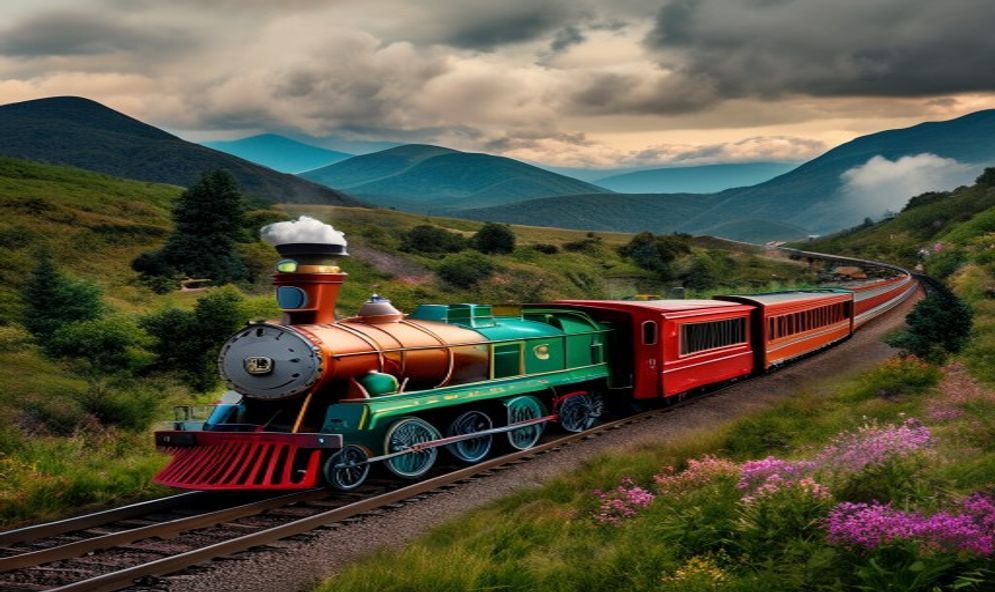
There are train journeys, and then there is the Matheran toy train. This narrow-gauge railway, which has been chugging through the forests of the Western Ghats since 1907, is not just a means of transport — it is an experience that defines Matheran itself. The train covers just twenty-one kilometres from Neral to Matheran, but it takes over an hour to complete the journey, winding through twenty-one curves and one tunnel, climbing from the plains to the plateau at a leisurely pace that sets the tone for everything that follows.
The first time I rode the Matheran toy train, I arrived at Neral station with my backpack and a sense of anticipation that I have not felt since childhood. The toy train was waiting on its separate platform — a small, almost miniature train with open windows and wooden benches that looked like something out of a storybook. The engine was painted in bright colours, and the carriages had that slight shabbiness that comes from a lifetime of service. I found a window seat on the left side, as I had been advised, and settled in for the ride.
As the train pulled out of Neral station and began its slow ascent, I realised that this was not going to be like any train journey I had experienced before. The train moved at a pace that allowed you to see everything — every tree, every wildflower, every stream crossing the track. Children ran alongside the train for a few moments, waving and laughing before the train outpaced them. The forest closed in around us, and the world outside the window became a blur of green punctuated by flashes of colour from blooming flowers.
In this guide, I will share everything you need to know about the Matheran toy train experience — from the history of the railway and how to book tickets to the best seats, what to expect during the journey, and tips for making the most of this unforgettable ride.
The History of the Matheran Hill Railway
The Matheran Hill Railway was conceived in the early 1900s as a way to make the hill station more accessible to visitors. Before the railway was built, reaching Matheran involved a long and arduous journey on horseback or on foot through the forest. The British administration, recognising the potential of Matheran as a summer retreat, commissioned the construction of a narrow-gauge railway that could navigate the steep gradients and sharp curves of the terrain.
The railway was built between 1904 and 1907, a remarkable engineering feat for its time. The track climbs from an elevation of about 50 metres at Neral to 800 metres at Matheran, a gradient that required careful planning and innovative design. The line features twenty-one curves, each one engineered to maintain a manageable gradient while following the contours of the hills. A single tunnel, known as the One Kiss Tunnel because of its short length, adds to the charm of the journey.
The railway was originally operated by steam locomotives, and the sight and sound of a steam engine labouring up the gradient is something that older visitors still remember fondly. Today, the trains are mostly diesel-powered, though steam locomotives are used for special heritage runs during peak season. The carriages are the original wooden-bodied coaches, maintained and restored over the years to keep them in service. Riding in them feels like stepping back in time to a more elegant era of travel.
In 2018, the Matheran Hill Railway was added to UNESCO's tentative list of World Heritage Sites, recognising its cultural and historical significance. This recognition has brought renewed attention to the railway and efforts to preserve it for future generations. It is a remarkable piece of living history, and riding it is a privilege that every visitor to Matheran should experience.
How to Book Matheran Toy Train Tickets

Booking tickets for the Matheran toy train is relatively straightforward, but there are a few things you need to know to ensure a smooth experience. Tickets can be booked online through the Indian Railway Catering and Tourism Corporation website, or purchased in person at the Neral station counter on the day of travel. Online booking is recommended, especially during peak season and on weekends, as the train has limited seating and tickets sell out quickly.
The train has two classes of travel: First Class and Second Class. First Class carriages are slightly more comfortable, with cushioned seats and larger windows, while Second Class has wooden benches and a more basic setup. The difference in fare is minimal, and both classes offer the same essential experience — open windows, fresh air, and stunning views. I have travelled in both classes, and honestly, the experience is not significantly different.
The fare for the toy train is incredibly reasonable — typically around fifty to one hundred rupees for Second Class and one hundred fifty to two hundred fifty rupees for First Class, depending on the season. This makes it one of the most affordable heritage train rides in India. The journey takes about one hour and twenty minutes from Neral to Matheran, covering the twenty-one kilometres at a leisurely pace of about fifteen kilometres per hour.
There are usually four to five departures daily from Neral, with the first train leaving around eight in the morning and the last around five in the evening. The schedule changes with the season, so it is a good idea to check the latest timetable online before planning your trip. During the monsoon season, the train may be suspended on days of heavy rainfall, so check the weather forecast as well.
On my last visit, I booked my ticket online two weeks in advance for a Saturday morning departure. The process was smooth, and I received a digital ticket on my phone that was scanned at the station. I arrived at Neral station about thirty minutes before departure, bought a cup of chai from the stall on the platform, and watched the train being prepared for its journey. The anticipation added to the experience, making the ride feel even more special.
The Journey from Neral to Matheran
The journey from Neral to Matheran is the heart of the toy train experience. The train departs from Neral station, passing through the outskirts of the town before entering the forest. Within minutes of leaving the station, the landscape transforms — the buildings fall away, and you are surrounded by dense vegetation on both sides. The train slows down as it begins its climb, and the real magic begins.
The first few kilometres pass through relatively open terrain, with glimpses of the surrounding hills and valleys. As the train gains elevation, the forest becomes thicker, and the track begins to curve more frequently. The curves are where the train is at its most charming — the engine disappears around a bend, the carriages follow, and from certain angles you can see the entire train snaking through the forest like a colourful caterpillar.
About halfway through the journey, the train passes through the One Kiss Tunnel, a short tunnel that is barely longer than the train itself. The tunnel is dark and cool, and the sound of the train echoing off the walls is strangely satisfying. Emerging from the tunnel into the bright sunlight, with the forest stretching out before you, feels like a moment of cinematic magic.
For the best views, sit on the left side of the train heading up to Matheran. This side offers the most dramatic views of the valley and the surrounding hills. The right side is closer to the hillside and offers views of the forest and occasional glimpses of the valley. Both sides have their merits, but if you can get a window seat on the left, you will be treated to the most spectacular views of the journey.
The train makes one stop at Jummapatti station, a tiny station in the middle of the forest where local passengers board and alight. The stop is brief, usually just a minute or two, but it adds to the charm of the journey. From Jummapatti, the train continues its climb, passing through increasingly dense forest until it reaches Matheran station, the terminus of the line.
The approach to Matheran station is beautiful — the train emerges from the forest into a clearing, and you can see the station building ahead, surrounded by trees and greenery. The train slows to a crawl and pulls into the platform with a final hiss of brakes. Stepping off the train onto the platform at Matheran is a moment that I look forward to on every visit. The air is cooler, the sounds are softer, and you feel like you have arrived somewhere truly special.
The Best Seats on the Matheran Toy Train
Choosing the right seat on the Matheran toy train can significantly enhance your experience. Based on multiple rides and careful observation, here is my advice on the best seats for different preferences.
For photographers, the best seat is on the left side of the train, facing the direction of travel. This gives you the best views of the valley and the curves ahead, and the light is generally better for photography in the morning heading up to Matheran. A window seat is essential — make sure to book early and arrive at the station with enough time to secure your preferred spot.
For families with children, the best seats are in the middle of the train, where the ride is smoothest and the views are good on both sides. Children love being able to see out of both windows, and the middle of the train offers this flexibility. The wooden benches in Second Class are actually better for children, as they can move around more easily and look out of the windows without having to lean over adults.
For couples and solo travellers, the best experience is to sit on the right side heading up, near the back of the train. This side is generally less crowded, and the views of the forest are beautiful. The back of the train also offers the best views of the train itself curving around the bends — a perspective that photographers particularly appreciate.
One practical tip: the windows on the toy train are always open, and during the monsoon season, you will get wet if it is raining. This is part of the experience, but if you want to stay dry, sit on the right side heading up, as the rain tends to come from the left during the monsoon. Carry a small towel or a rain poncho to dry off when you arrive.
When the Toy Train Is Not Running
There are times when the Matheran toy train does not run, and it is important to know about these in advance so you can plan accordingly. The train is most commonly suspended during the monsoon season, when heavy rainfall can cause landslides, track damage, and reduced visibility. The railway authorities assess the conditions daily and make decisions based on safety.
Even when the toy train is running during the monsoon, it may be delayed or cancelled at short notice due to changing weather conditions. If you are visiting during the monsoon, have a backup plan. The train is typically more reliable during the post-monsoon, winter, and summer months, from October to May.
If the toy train is not running, the alternative is to take a taxi or shared cab from Neral to Dasturi Naka, the vehicle parking point at the base of Matheran. The drive takes about thirty to forty minutes and costs around five hundred to eight hundred rupees for a private taxi. Shared cabs are cheaper but require waiting for the vehicle to fill up. From Dasturi Naka, you can walk the remaining two kilometres into the main market area or take a hand-pulled rickshaw.
Another alternative is to take a local train to Neral and then take a shared jeep from Neral to Matheran road. The jeeps are a popular option among budget travellers and locals, and they offer a more adventurous ride through the forest. The jeep drops you at Dasturi Naka, from where you proceed on foot or by tum-tum.
The walk from Dasturi Naka to the market is pleasant and takes about twenty to thirty minutes. The path is a gentle uphill slope through the forest, with occasional views of the valley. It is a good introduction to Matheran and gives you a taste of what the walkable, car-free hill station is all about. On my first visit, the toy train was not running due to maintenance, and I walked from Dasturi Naka. In hindsight, it was a blessing in disguise — the walk allowed me to enter Matheran at a slower pace, noticing details I might have missed from the train.
Photography Tips for the Toy Train Journey
The Matheran toy train is a photographer's dream, and capturing the journey on camera is one of the great pleasures of visiting this hill station. Here are some tips to help you get the best photographs from your toy train ride.
First, choose your seat wisely. As mentioned earlier, the left side of the train heading up offers the best views of the valley and the curves ahead. If photography is your primary goal, sit on the left side near the front of the train, as this gives you the cleanest views with fewer obstructions. A window seat is essential, so book early and arrive at the station early to secure your spot.
Second, use a fast shutter speed to capture the motion of the train and the scenery. The train moves slowly, but the curves and the forest create dynamic compositions that benefit from a shutter speed of at least 1/250th of a second. If you are using a smartphone, switch to sports or action mode to freeze the motion.
Third, take advantage of the curves. The best photographs of the toy train are often taken from the back of the train, looking forward, as the train rounds a curve. This perspective shows the entire train in the context of the forest, creating a sense of place and movement. If you can, photograph the train from outside — there are several spots along the track where you can get off and capture the train passing through particularly scenic sections.
Fourth, embrace the weather. The monsoon season, despite the challenges, offers some of the most dramatic photographic opportunities. The misty forest, rain-soaked leaves, and moody skies create atmosphere that is hard to replicate in clear weather. Protect your camera with a rain cover, and do not be afraid to shoot in the rain. Some of my favourite photographs from Matheran were taken during a light drizzle, with the forest looking lush and alive.
Finally, do not forget to put the camera down and simply enjoy the ride. As much as I love photography, I have learned that the best memories are the ones you experience fully, not just the ones you capture through a lens. Spend some time just looking out the window, feeling the breeze, and being present in the moment. The photographs will be better for it, and so will you.
Conclusion – Why the Toy Train Is Unmissable
The Matheran toy train is more than just a tourist attraction — it is the soul of this hill station, the thread that connects its past to its present. For over a century, this little train has been carrying visitors up the hill, introducing them to the magic of Matheran in a way that no other mode of transport can replicate. The slow pace, the open windows, the curves, the forest — it all combines to create an experience that is both nostalgic and timeless.
I have ridden the toy train five times now, and each journey has been different. One time it was a misty monsoon morning, with rain streaming in through the windows and the forest looking like a scene from a fantasy novel. Another time it was a crisp winter afternoon, with the sunlight filtering through the trees and casting long shadows across the track. Each ride has its own character, its own mood, and its own memories to offer.
If you are planning a trip to Matheran, make the toy train a priority. Book your tickets in advance, arrive at Neral station with time to spare, choose your seat carefully, and settle in for a journey that will set the tone for your entire visit. By the time you step off the train at Matheran station, you will already be in the right frame of mind to explore this beautiful, car-free hill station on foot. The toy train is not just a way to get to Matheran — it is the first and most memorable chapter of your Matheran story.