Top 21 Lord Vitthal Mantras
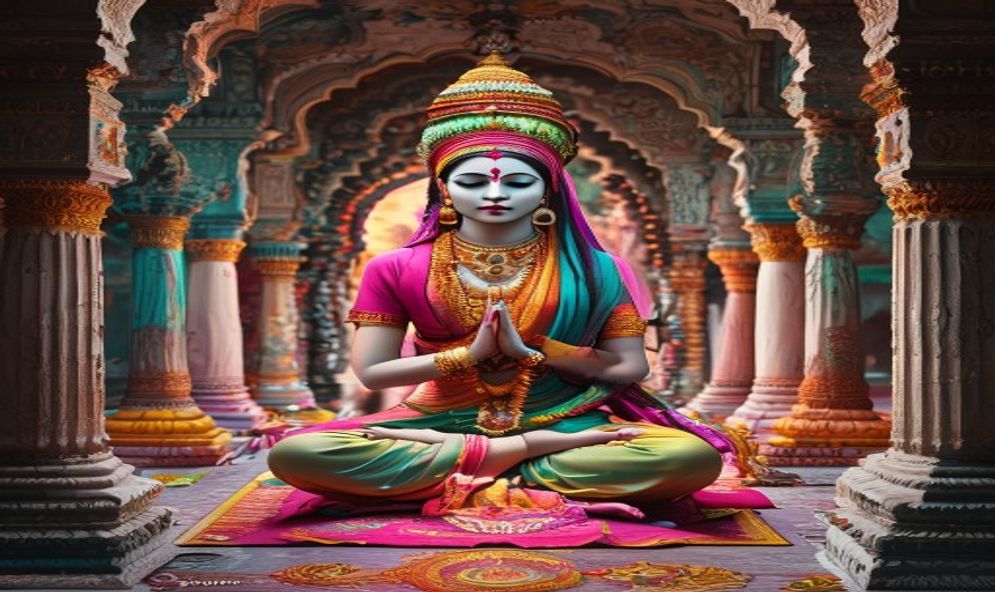
Top 21 Lord Vitthal Mantras - Powerful Chants for Devotion and Peace
Chanting Lord Vitthal mantras is one of the most powerful spiritual practices in the Hindu tradition. The name of Lord Vitthal is believed to contain immense spiritual energy, and regular chanting can bring peace, prosperity, and spiritual growth. This collection of 21 Vitthal mantras includes simple name chants, powerful bija mantras, and beautiful verses from the Warkari tradition.
Whether you are new to Vitthal mantra chanting or looking to deepen your practice, these mantras offer a complete spiritual toolkit. Each mantra is accompanied by its meaning and the benefits of chanting it. For the best results, chant these mantras during the Ashadi Ekadashi 2026 observance on July 10.
Understanding Mantra Chanting (Japa)
Before diving into the mantras, let us understand the basics of mantra chanting:
- Japa: The practice of repetitive chanting of a mantra
- Mala: A string of 108 beads used for counting chants. A tulsi or rudraksha mala is recommended
- One round: Chanting the mantra 108 times (one full mala)
- Best time: Brahma Muhurta (early morning, 4 AM - 6 AM) and evening (6 PM - 8 PM)
- Direction: Face east or north while chanting
- Posture: Sit in a comfortable cross-legged position or on a chair with spine straight
The 21 Lord Vitthal Mantras
Simple Naam Mantras (Name Chants)
1. The Primary Vitthal Mantra
"Vitthal Vitthal Jai Hari Vitthal"
Meaning: "Vitthal, Vitthal, Victory to Lord Hari (Vishnu) who is Vitthal." This is the most popular and powerful Vitthal mantra. It is chanted by millions of Warkaris and is believed to be sufficient for complete spiritual liberation.
Benefits: Instant connection with Lord Vitthal, removal of obstacles, peace of mind.
2. Panduranga Mantra
"Panduranga Panduranga"
Meaning: "The radiant Lord of Pandharpur." Panduranga refers to the white or radiant form of the Lord.
Benefits: Purifies the mind, brings clarity, and removes negative thoughts.
3. Vitthal Namaskar Mantra
"Om Vitthalaya Namaha"
Meaning: "I bow to Lord Vitthal." A simple and powerful salutation mantra.
Benefits: Develops humility, devotion, and surrender to the divine will.
4. Panduranga Namaskar
"Om Pandurangaya Namaha"
Meaning: "I bow to Lord Panduranga." Another salutation mantra focusing on the radiant aspect of Vitthal.
Benefits: Brings inner radiance and self-confidence.
5. Vithoba Mantra
"Vithoba Vithoba"
Meaning: "Father Vitthal." Vithoba is the affectionate name for Vitthal in Marathi.
Benefits: Develops a loving, childlike relationship with the divine.
Bija (Seed) Mantras
6. Vitthal Bija Mantra
"Om Vitth Thah"
Meaning: This is the bija (seed) mantra of Lord Vitthal. "Thah" represents stability and groundedness.
Benefits: Grounds the energy, provides stability in life, and connects with the earth element.
7. Panduranga Bija
"Om Pang"
Meaning: A powerful seed mantra associated with the Panduranga aspect.
Benefits: Activates the heart chakra, opens the energy channels.
8. Vishnu Bija (for Vitthal)
"Om Namo Bhagavate Vasudevaya"
Meaning: "I bow to Lord Vasudeva (Krishna/Vishnu)." Since Vitthal is an incarnation of Vishnu, this mantra is equally effective.
Benefits: One of the most powerful mantras in Hinduism. Brings all-round prosperity and spiritual growth.
Mantras for Protection
9. Vitthal Kavacha Mantra
"Vitthal Kavacham Deva, Raksha Raksha Namostute"
Meaning: "Lord Vitthal, you are my armor. Please protect me. I bow to you."
Benefits: Protection from negative energies, evil eye, and harmful influences.
10. Panduranga Raksha Mantra
"Panduranga Mam Raksha, Panduranga Mam Palaya"
Meaning: "Lord Panduranga, protect me. Lord Panduranga, sustain me."
Benefits: Overall protection and well-being for self and family.
Mantras for Specific Benefits
11. Mantra for Peace of Mind
"Om Shanti Vitthal, Shanti Panduranga"
Meaning: "Peace, Vitthal. Peace, Panduranga."
Benefits: Calms the mind, reduces anxiety, and brings inner peace.
12. Mantra for Health
"Arogyam Dehi Vitthal, Sarva Rogan Nashaya"
Meaning: "Grant me health, Vitthal. Destroy all diseases."
Benefits: Promotes physical healing and overall wellness.
13. Mantra for Wealth and Prosperity
"Vitthal Dhanam Dehi, Panduranga Samriddhim Dehi"
Meaning: "Give me wealth, Vitthal. Give me prosperity, Panduranga."
Benefits: Attracts financial abundance and removes poverty.
14. Mantra for Removing Obstacles
"Vitthal Vighnam Harate, Panduranga Apat Nashayate"
Meaning: "Vitthal removes obstacles, Panduranga destroys dangers."
Benefits: Removes hurdles in career, relationships, and spiritual practice.
Warkari Tradition Mantras
15. Sant Tukaram's Abhanga Mantra
"Pandharicha Vitthal Majha, Jeevan Praan Aata"
Meaning: "The Vitthal of Pandharpur is mine, he is my life and breath." This line from Sant Tukaram's abhanga expresses complete surrender.
Benefits: Develops deep emotional connection with the Lord.
16. Sant Dnyaneshwar's Mantra
"Vitthal Kripalu, Bhakta Vatsalu"
Meaning: "Vitthal is compassionate, he loves his devotees like children."
Benefits: Reminds the devotee of God's unconditional love.
17. Warkari Sohala Mantra
"Jaya Jaya Vitthala, Jaya Hari Vitthala"
Meaning: "Victory to Vitthal, Victory to Lord Hari who is Vitthal."
Benefits: Creates an energetic vibration of victory and success.
Gayatri and Vedic Mantras
18. Vitthal Gayatri Mantra
"Om Vitthala Vidmahe, Panduranga Dhimahi, Tanno Hari Prachodayat"
Meaning: "Let us meditate on Lord Vitthal. Let us contemplate Lord Panduranga. May Lord Hari (Vishnu) illuminate our minds."
Benefits: The Gayatri mantra is one of the most powerful mantras in Hinduism. This version dedicated to Vitthal brings wisdom, illumination, and spiritual growth.
19. Vishnu Gayatri (for Vitthal worship)
"Om Narayanaya Vidmahe, Vasudevaya Dhimahi, Tanno Vishnuh Prachodayat"
Meaning: "Let us meditate on Lord Narayana. Let us contemplate Lord Vasudeva. May Lord Vishnu illuminate our minds."
Benefits: Since Vitthal is Vishnu, this mantra brings all the benefits of Vishnu worship - protection, prosperity, and liberation.
20. Twelve-Name Mantra
"Om Vitthalaya Namaha, Om Pandurangaya Namaha, Om Vithobaya Namaha, Om Purushottamaya Namaha, Om Vasudevaya Namaha, Om Narayanaya Namaha, Om Krishnaya Namaha, Om Damodaraya Namaha, Om Shridharaya Namaha, Om Madhavaya Namaha, Om Govindaya Namaha, Om Vishnave Namaha"
Meaning: Salutations to the twelve names of the Lord.
Benefits: Covers all aspects of the divine - love, protection, prosperity, and liberation.
21. The Ultimate Vitthal Mantra (Mahamantra)
"Hare Krishna Hare Krishna, Krishna Krishna Hare Hare, Hare Rama Hare Rama, Rama Rama Hare Hare"
Meaning: The Mahamantra of the Gaudiya Vaishnava tradition. Since Vitthal is Krishna, this mantra is perfectly suitable.
Benefits: Supreme purification of consciousness, love for the divine, and liberation.
How to Chant These Mantras - Practical Guide
- Choose one or two mantras that resonate with you. Do not try to chant all 21 daily.
- Set a fixed number of rounds per day. Start with 1-3 rounds of a mala (108-324 chants).
- Use a tulsi mala for counting. Tulsi is very dear to Lord Vitthal.
- Chant at the same time and place daily. Consistency builds spiritual momentum.
- Focus on the meaning as you chant. Let the words penetrate your consciousness.
- Increase gradually - you can increase the number of rounds as your practice deepens.
- Chant out loud initially (vaikhari japa), then whisper (upanshu japa), and finally mental chanting (manasika japa) as you progress.
Benefits of Regular Vitthal Mantra Chanting
- Mental peace: The vibration of the mantras calms the mind and reduces stress
- Emotional healing: Releases suppressed emotions and brings emotional balance
- Spiritual growth: Deepens your connection with the divine
- Protection: Creates a spiritual shield around the practitioner
- Positive energy: Attracts positive vibrations and repels negativity
- Improved concentration: Regular japa improves focus and memory
- Self-awareness: Helps you connect with your inner self
- Manifestation: Helps manifest your sincere desires when aligned with dharma
Special Chanting on Ashadi Ekadashi
On Ashadi Ekadashi 2026 (July 10), the power of mantra chanting is multiplied many times. Make the most of this sacred day:
- Chant at least 11 malas (1188 chants) of the primary Vitthal mantra
- Attend satsangs where Vitthal mantras are chanted collectively
- Observe silence (mauna) for part of the day and engage in internal japa
- Write the mantra (likhita japa) as a spiritual practice
- Chant the Vitthal Gayatri 108 times at sunrise and sunset
Related Resources
Deepen your practice: Ashadi Ekadashi 2026 Guide, Lord Vitthal Story and Significance, Why Is Lord Vitthal Standing on a Brick, Ashadi Ekadashi Puja Vidhi.
May the chanting of these Lord Vitthal mantras bring you closer to the divine and fill your life with peace, joy, and spiritual fulfillment. As you chant the name of Vitthal, remember that the Lord is standing on his brick, hands on hips, waiting to bless you. Chant with faith, and let the grace flow. Vitthal Vitthal!