Tirupati Balaji: The Richest Temple in India
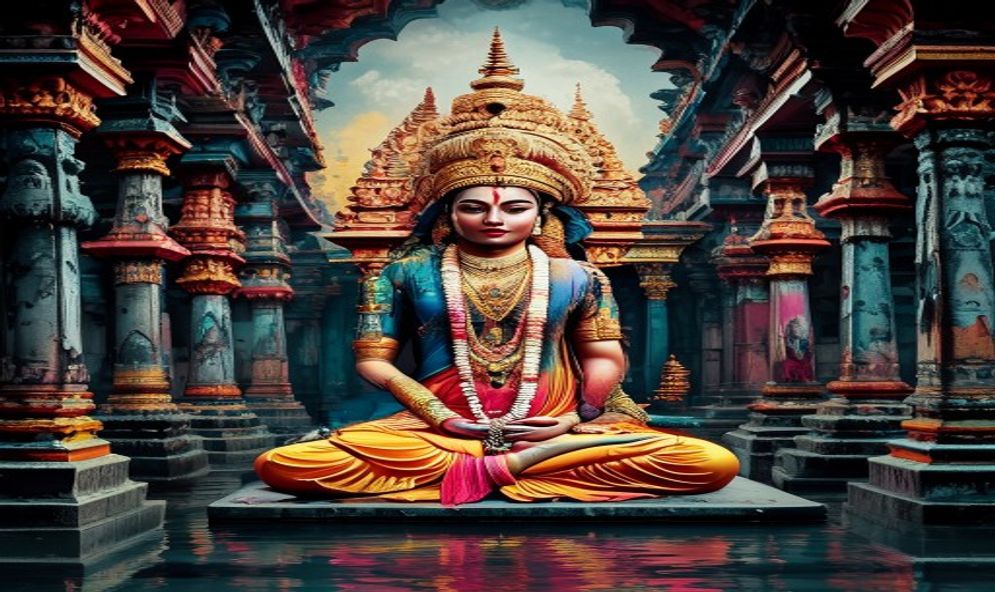
Tirupati Balaji - Srivari, The Lord of Seven Hills
Tirupati Balaji, also known as Lord Venkateswara, Srinivasa, or simply Srivari, is one of the most beloved and worshiped deities in India. The Tirumala Venkateswara Temple, located in the hills of Tirumala in Andhra Pradesh, is the richest temple in India and one of the most visited religious sites in the world. Thousands of devotees travel daily from every corner of the country and abroad to have darshanam of Srivari. The temple is situated on the seventh hill of Tirumala, known as Venkatadri, and is believed to be the abode of Lord Venkateswara in the Kali Yuga. The deity is a form of Lord Vishnu, who is said to have taken this form to save humanity from the trials and tribulations of the current age.
The Legend of Venkateswara - Kaliyuga Daivam
The story of Lord Venkateswara begins with a divine promise. During the Kali Yuga, the current age of darkness and strife, the gods were concerned about the fate of humanity. Lord Vishnu assured them that he would remain on earth to guide and protect his devotees. He chose the seven hills of Tirumala as his earthly abode. According to the legend, Sage Bhrigu once visited Vaikuntha (Vishnu celestial abode) and, in a moment of pride, kicked Lord Vishnu on the chest. Vishnu, instead of getting angry, massaged the sage foot and apologized. However, Goddess Lakshmi was offended by this disrespect and left Vaikuntha, going to earth to meditate. Vishnu, missing his consort, also descended to earth and took the form of Srinivasa, settling on the Tirumala hills.
On earth, Srinivasa fell in love with Princess Padmavati, the incarnation of Goddess Lakshmi. To raise funds for their marriage, he borrowed money from Kubera, the god of wealth. The marriage was performed with great grandeur, and Srinivasa promised to repay Kubera over time. Devotees who visit Tirumala and offer their prayers and donations are believed to be helping the lord repay this divine debt. This is why no devotee goes empty-handed to Tirupati, and the hundi (offering box) at the temple collects crores of rupees every day. The legend explains why Venkateswara is called Kaliyuga Daivam - the god of this age - because he chose to stay on earth specifically to help humanity navigate the challenges of Kali Yuga.
Temple Architecture - Gopuram and Ananda Nilayam
The Tirumala Venkateswara Temple is a magnificent example of Dravidian architecture. The temple complex covers an area of about 2.5 acres and is surrounded by massive walls. The most striking feature is the Rajagopuram, the main gateway tower, which rises to a height of about 20 meters. The gopuram is adorned with intricate sculptures of gods, goddesses, and mythological figures. Inside the complex, the main shrine houses the deity of Lord Venkateswara, standing about 8 feet tall. The idol is made of a black stone called Saligrama and is covered with gold and diamond ornaments. The deity is always adorned with a magnificent crown, necklace, and other jewelry donated by devotees over centuries.
The innermost sanctum, called the Garbha Griha, is known as Ananda Nilayam - the abode of bliss. The name is fitting, as devotees who have darshanam of Srivari describe an overwhelming feeling of peace and joy. The deity is visible only from the chest upward, as the lower portion is covered by a golden cloth. The standing posture of the deity, with the front two hands in the blessing posture and the back two hands holding the Shankha and Chakra, radiates divine grace. The temple does not have a shadow cast on it at any time of the day, a phenomenon that devotees consider miraculous. The architecture of the temple is designed to focus all attention on the deity, creating an atmosphere of intense devotion and spiritual energy.
Laddu Prasadam - The Divine Offering
The Tirupati Laddu, also known as Sri Vari Laddu, is the most famous prasadam in India. It has been granted a Geographical Indication (GI) tag for its unique taste and quality. The recipe is a closely guarded secret, prepared only within the temple kitchen by special cooks. The laddu is made from gram flour, sugar, ghee, cashews, raisins, cardamom, and other ingredients in specific proportions. Each laddu weighs about 150 grams, and nearly 5 million laddus are prepared and distributed every month. The preparation is done in the Potu, the temple kitchen, which has been operating continuously for centuries. The laddus are blessed by being offered to the deity before distribution. Devotees consider it extremely auspicious to receive and consume the laddu prasadam, and it is often carried back home to share with family members who could not make the pilgrimage.
The Hundi - World Richest Offering Box
The hundi (donation box) at Tirumala is the richest of its kind in the world. Devotees donate gold, silver, diamonds, cash, and other valuables worth thousands of crores of rupees every year. The practice of donating to the temple is rooted in the legend of Srinivasa debt to Kubera. By offering money at the temple, devotees believe they are participating in the divine repayment and earning the lord blessing. The funds collected are used for the temple maintenance, free meals for devotees, educational institutions, hospitals, housing projects, and other charitable activities run by the Tirumala Tirupati Devasthanams (TTD). The TTD runs one of the largest free meal programs in the world, serving thousands of devotees daily. The hundi system, despite collecting such enormous wealth, operates with complete transparency and accountability.
The Seven Hills Significance
The seven hills of Tirumala are known as Seshachalam or Venkatachalam. Each hill has a specific name and significance. The seven hills are: Venkatadri (the main hill), Vrishabhadri (the hill of the bull), Anjanadri (the hill of Hanuman), Neeladri (the blue hill), Garudadri (the hill of Garuda), Narayanadri (the hill of Narayan), and Seshadri (the hill of Shesha). These hills are believed to represent the seven heads of Adisesha, the cosmic serpent on whom Lord Vishnu rests. Pilgrims traditionally walk these hills as an act of devotion, a practice called Srivari Mettu or Sopanamarga. Walking the hills is considered a form of penance that purifies the body and mind before having darshanam of the lord.
The Pilgrimage Process
Visiting Tirumala is a profound spiritual experience. Devotees begin their journey by taking a dip in the sacred pushkarini (temple tank) at the foot of the hills. Many choose to walk the 12 kilometers uphill, which takes about 3-4 hours. The walk is lined with temples, shrines, and rest stops. For those who cannot walk, buses and cars are available. Upon reaching the temple, devotees stand in line for darshanam, which can take anywhere from 2 to 24 hours depending on the crowd. The queue itself is an experience - it moves through a series of corridors where devotees sing bhajans, chant Venkateswara names, and share stories of the lord grace. The moment of darshanam is brief but intense - just a few seconds of eye contact with the deity, but for most devotees, it is a life-changing experience.
Srinivasa Marriage to Padmavati
The marriage of Lord Venkateswara to Goddess Padmavati is celebrated annually as Padmavati Parinayam. The story goes that Srinivasa, while hunting in the forest, saw Princess Padmavati and fell in love with her. He sought the help of his divine vehicle Vahana, Garuda, who arranged for their meeting. The marriage was performed with great celebrations, and the seven hills of Tirumala are said to have witnessed the wedding. To this day, the temple of Padmavati is located at the foot of the hills in Tiruchanur, and devotees often visit both temples to receive the blessings of the divine couple. The marriage story adds a deeply human and romantic element to the deity, making Srivari not just a distant god but a relatable figure who experienced love, debt, and the challenges of household life.
Tirupati Balaji is more than a temple - it is a living symbol of faith that has sustained itself for over a thousand years. The continuous flow of devotees, the timeless rituals, the divine prasadam, and the overwhelming sense of peace that pervades the temple complex make it a unique spiritual destination. Whether you walk the hills, wait in the queue, or simply receive the laddu prasadam at home, Srivari grace touches everyone who approaches with faith. Venkateswara is the Kaliyuga Daivam, the god who remains accessible to all, regardless of caste, creed, or status. Om Namo Venkatesaya!