Study Room Lighting According to Vastu for Better Concentration
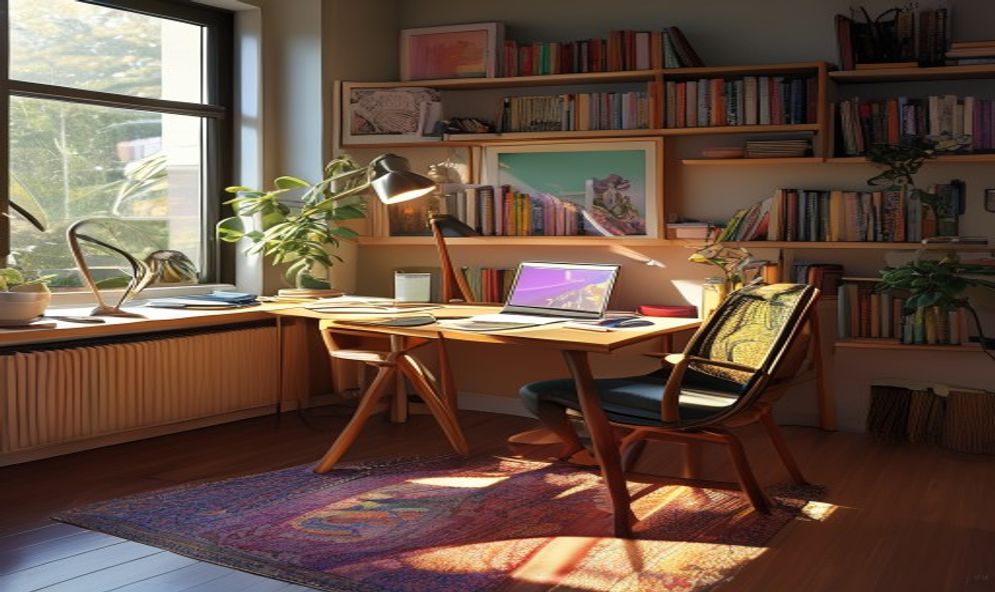
Lighting is one of the most overlooked factors in study room design. Yet it has a direct impact on concentration, eye health, and energy levels. Study room lighting Vastu guidelines help you create a well-lit space that supports focused learning without causing eye strain or fatigue. In this comprehensive article, we cover everything from natural light placement to desk lamp positioning and bulb color temperatures.
Why Lighting Matters in Vastu
Light represents the Fire element in Vastu. The Fire element governs energy, transformation, and action. Proper lighting activates the Fire element in a balanced way, giving the student energy to study without becoming restless or agitated. Too little light creates dullness and sleepiness. Too much harsh light creates stress and anxiety. The goal is balanced, harmonious Vastu lighting tips that support the study activity.
Light also affects the circadian rhythm, which regulates sleep-wake cycles. Studying under the wrong type of light can disrupt this rhythm, leading to poor sleep and reduced cognitive function the next day. Natural light is the best regulator of the circadian clock, which is why Vastu emphasizes maximizing natural light in study rooms.
Natural Light The Best Source
Natural sunlight is the most powerful and beneficial light source for studying. It contains the full spectrum of light wavelengths that support eye health and brain function. The study room should have windows that allow natural light to enter, especially during morning hours.
Window Placement
Windows on the east wall are ideal. They bring in the soft, energizing light of the rising sun. North-facing windows provide consistent, glare-free light throughout the day. Avoid placing the study table directly in front of a west-facing window, as the afternoon sun creates harsh glare and heat. South-facing windows can work but may require blinds to filter strong midday light.
Curtains and Blinds
Use light, translucent curtains that filter sunlight without blocking it completely. Sheer white or cream curtains are perfect. Avoid heavy, dark curtains that block natural light. If privacy is a concern, use blinds that can be adjusted throughout the day. Keep curtains open during study hours to maximize natural light Vastu benefits.
Artificial Lighting Placement
Overhead Lighting
The main overhead light should be in the center of the ceiling. Use a diffused light fixture that spreads light evenly across the room. Avoid direct downlights above the study table, as they create harsh shadows on the study materials. A ceiling light with a fabric shade that directs light upward and outward creates soft, ambient illumination.
Task Lighting for the Study Table
A desk lamp is essential for focused study. The lamp should be placed on the opposite side of the writing hand. For right-handed students, place the lamp on the left side so that the hand does not cast a shadow on the writing. For left-handed students, place it on the right side. The lamp should provide direct, focused light on the study materials without shining into the eyes.
Accent Lighting
Use accent lighting to highlight positive elements in the room. A small spotlight on a bookshelf, a picture light above a knowledge symbol, or a backlit plant corner all add depth and positive energy to the room. Accent lighting creates visual interest and keeps the room feeling alive and dynamic.
Color Temperature and Bulb Choice
Bulb color temperature is measured in Kelvin (K). For study rooms, the ideal temperature is between 2700K and 4000K. This range produces warm white to neutral white light that is easy on the eyes and supports concentration.
- Warm white (2700K-3000K): Best for evening study. Creates a cozy, calm atmosphere. Use in desk lamps and ambient lighting.
- Neutral white (3500K-4000K): Best for daytime study. Provides clear, bright light without being harsh. Use in overhead fixtures.
- Cool white (5000K-6500K): Not recommended for study rooms. Mimics daylight but can cause eye strain and headaches during prolonged use.
LED bulbs are the best choice. They are energy-efficient, produce less heat, and come in various color temperatures. Avoid fluorescent tubes, as they flicker at a frequency that can cause eye fatigue and headaches over time.
Lighting Direction in Vastu
The direction from which light enters the room matters. Light from the east is considered the most auspicious. It carries solar energy with healing and energizing properties. Light from the north is cooling and calming. Light from the west is heating and can cause restlessness. Light from the south is the least desirable, as it carries intense energy that can lead to stress.
If your study room only has windows on the south or west, use light-filtering window films or curtains to soften the light. Place mirrors on the north wall to reflect and balance the light coming from less ideal directions.
Special Lighting for Digital Study
With the rise of online classes and digital learning, proper lighting for screen-based study has become essential. The room should be well-lit to reduce the contrast between the bright screen and dark surroundings. Place a bias light behind the monitor or laptop to reduce eye strain. A bias light is a small LED strip that illuminates the wall behind the screen, reducing the strain on the eyes from staring at a bright screen in a dark room.
Use blue light filtering glasses or install blue light filter software on devices. Position the screen so that windows are to the side, not in front or behind. This prevents glare on the screen and keeps the study room lamps from reflecting off the display.
Read Vastu tips for online study and digital learning spaces for more advice on setting up a digital study area.
Lighting Mistakes to Avoid
- Do not use only a single overhead light without task lighting. This creates shadows and uneven illumination.
- Avoid placing the desk lamp directly above the head, as it creates glare on the page and heats the head.
- Do not study in complete darkness with only a computer screen. This causes severe eye strain.
- Avoid colored bulbs or decorative lighting that distracts rather than illuminates.
- Do not ignore flickering bulbs. Replace them immediately as they disrupt concentration.
Frequently Asked Questions
Can I use a dimmer switch in the study room?
Yes, a dimmer switch is a great addition. You can adjust the brightness based on the time of day and the type of study. Dim the lights for relaxation breaks and brighten them for focused work.
Is candlelight good for studying?
Candlelight is too dim for extended study sessions and can cause eye strain. Use candles only for short meditation or relaxation breaks between study sessions.
Apply these study room lighting Vastu principles to create a well-lit space that supports your child's concentration and eye health. The right lighting makes studying more comfortable and effective.