Shiva Tandava Stotram Meaning and Benefits
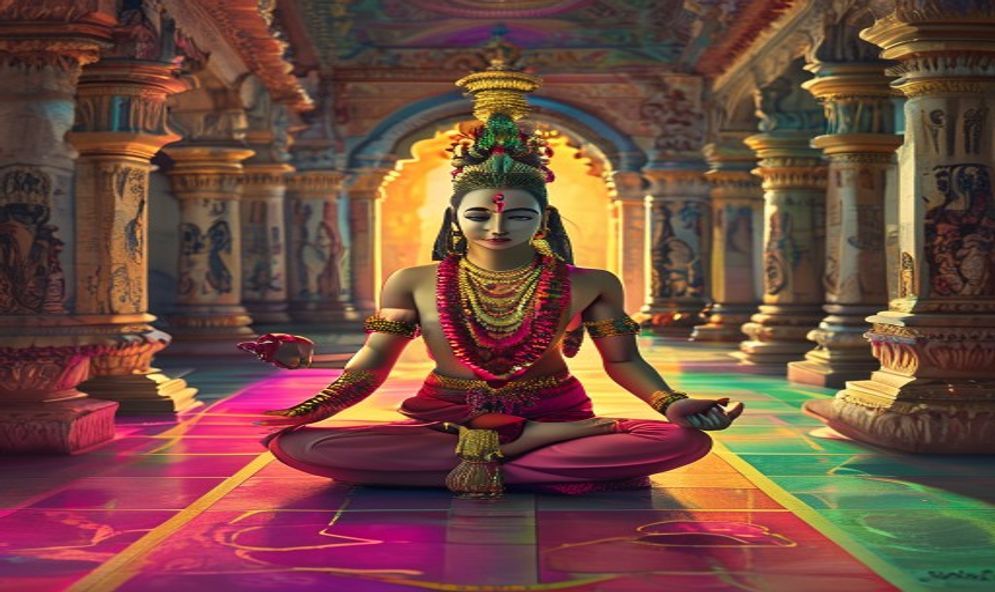
Shiva Tandava Stotram - The Cosmic Hymn of Shiva Dance
The Shiva Tandava Stotram is one of the most powerful and revered hymns in the Shaiva tradition. Composed by Ravana, the demon-king of Lanka, this stotram describes the cosmic dance of Lord Shiva - the Tandava. Unlike ordinary hymns that praise the peaceful aspects of a deity, the Tandava Stotram captures the fierce, majestic, and awe-inspiring form of Shiva as Nataraja, the cosmic dancer. The very first verse begins with "Jatatavigalarjita Pavanapanashana" - describing how the Ganga river cascades from Shiva matted locks, how his serpent garlands swing with the rhythm of his dance, and how the sound of his damru creates the cosmic syllables. The power of this stotram lies not just in its poetic beauty but in its spiritual potency. Legend says that when Ravana sang this hymn with complete devotion, even Shiva, who was initially angry at Ravana for trying to lift Mount Kailash, was pleased and granted him a powerful weapon.
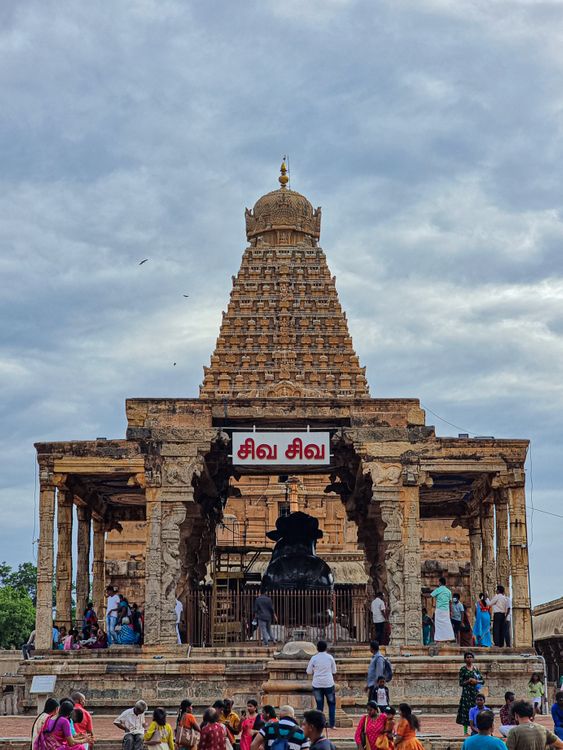
The Story Behind the Composition
The story of the Shiva Tandava Stotram begins with Ravana pride. Ravana, the powerful king of Lanka, was on a conquest of the north. He reached Mount Kailash, the abode of Shiva. The mountain was so beautiful and pure that Ravana wanted to take it to Lanka. He attempted to lift the mountain with his twenty arms. The mountain shook, causing Parvati to become frightened. Shiva, seated in meditation, was undisturbed. He simply pressed his toe down on the mountain, trapping Ravana underneath. Ravana, despite his immense strength, could not move. He was trapped, his pride shattered. In his helplessness, Ravana remembered Shiva. He began to compose and sing the Tandava Stotram in praise of Shiva. The hymn was so powerful, so devotional, and so perfectly composed that Shiva was pleased. He released Ravana and, pleased with the composition, granted him the Chandrahasa sword. This story teaches an important lesson - even in our darkest moments, when our pride is broken and we feel trapped, sincere prayer can transform the situation. Ravana, despite being a demon, was a great scholar and devotee of Shiva. His composition remains one of the most powerful hymns in the entire Hindu tradition.
Meaning of Key Verses
The Tandava Stotram consists of 17 verses, each rich with imagery and meaning. Let us explore the key verses to understand the depth of this composition.
First Verse: Jatatavigalarjita Pavanapanashana - "From the matted locks of Shiva, the Ganga flows, washing away all sins. The serpents adorned around his neck sway with the rhythm of his dance. The damaru produces the sound that creates the universe. We bow to the lord who performs the auspicious Tandava dance." This verse establishes the cosmic setting. Shiva matted hair represents the control of desires, the Ganga represents divine knowledge, and the damaru represents the sound of creation. This verse alone contains the entire philosophy of creation and destruction.
Fifth Verse: Nipitya Vilola Pata, Trishula Patala Bhaya - "The fire emanating from his forehead is no ordinary fire - it is the fire of cosmic dissolution. When Shiva performs the Tandava, the universe dissolves into its original elements. The Bhairava form of Shiva, with his trishul, protects the devotee from all fears." This verse captures the destructive aspect of Shiva dance. Destruction, in the cosmic sense, is not negative - it is the necessary dissolution that precedes new creation. The trishul represents the three gunas that bind the soul, and Shiva dance cuts through these bonds.
Tenth Verse: Asya Vinodatmana, Sthavara Jangamaya - "Shiva finds his joy in the Tandava. Through his dance, he brings rhythm to all elements - the moving and the non-moving, the living and the non-living. The entire universe moves to his rhythm." This verse reveals that the cosmic dance is not for entertainment - it is the very principle of life. The rhythm of the dance is the rhythm of existence itself. Every heartbeat, every breath, every cycle of nature is a participation in the cosmic Tandava.
Fifteenth Verse: Parisphutana Malla, Tandava Darsana - "When Shiva dances, the beauty of his form is breathtaking. His raised leg, his four arms, his flowing hair, his gentle smile - every aspect of his form radiates divine beauty. To witness the Tandava is to witness the divine itself." This verse expresses the longing of the devotee to witness the cosmic dance. In temple iconography, Nataraja is depicted with one leg raised, one leg crushing the demon of ignorance, and one hand pointing to his raised foot - the refuge of the soul.
The Complete Power of the Hymn
The Tandava Stotram is not meant to be sung as a performance - it is meant to be chanted as a spiritual practice. When Ravana composed this hymn, he was trapped under a mountain, in physical pain and mental anguish. Yet, instead of begging for release, he praised Shiva. This is the essence of true devotion - praising the divine even in our difficult moments. The hymn works on multiple levels. On the level of sound, the rhythm and syllables of the stotram create powerful vibrations that resonate with the root chakra and activate the kundalini energy. On the level of meaning, the verses remind us of the cosmic nature of Shiva and our place in the universal order. On the level of devotion, chanting the Tandava Stotram creates a direct connection with Shiva, bringing his grace into our lives.
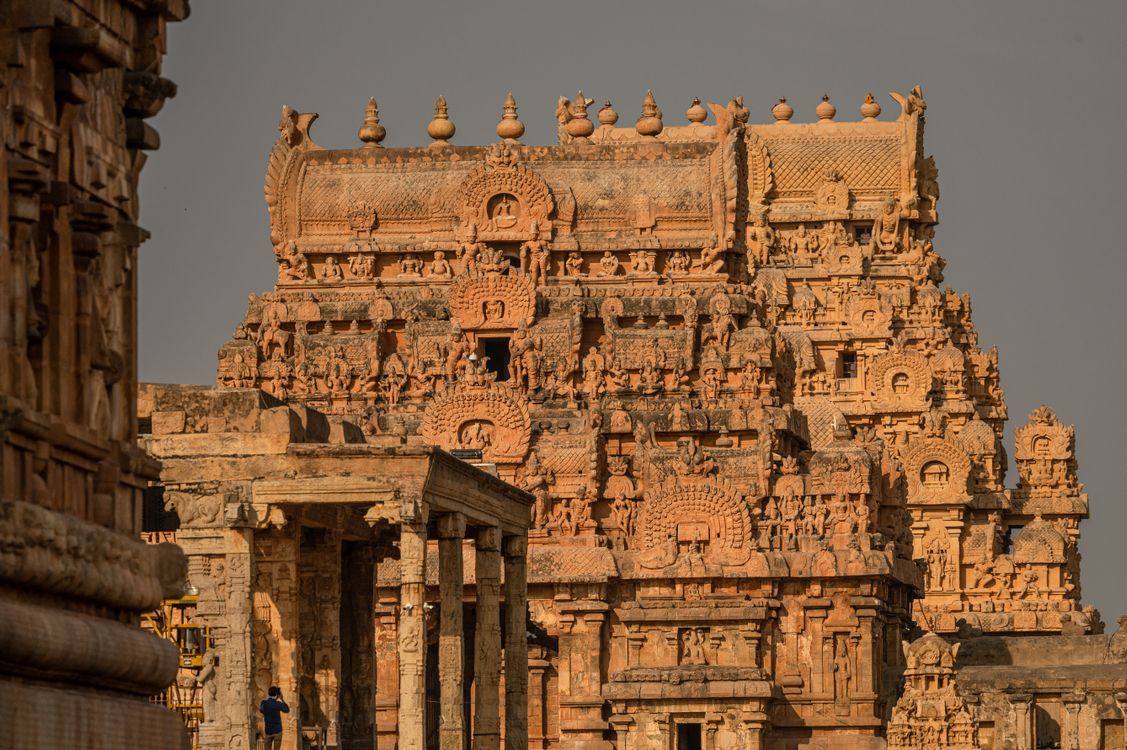
Benefits of Chanting the Tandava Stotram
Regular chanting of the Shiva Tandava Stotram brings numerous benefits. First, it instills fearlessness. The stotram describes the most powerful cosmic forces - fire, destruction, dance, and rhythm. By chanting these verses, you align yourself with these forces. Fear naturally dissolves because you realize you are part of the cosmic dance, not separate from it. Second, it enhances physical strength and vitality. The rhythmic chanting of the Tandava Stotram has a specific vibration that energizes the body. Many practitioners report increased stamina and reduced fatigue after regular practice. Third, it removes mental restlessness. The powerful imagery of the verses captures the mind and focuses it on the divine. The mind, which normally jumps from thought to thought, becomes unified in the contemplation of Shiva dance. This brings profound peace. Fourth, it protects from negative influences. The fierce descriptions of Rudra and Bhairava in the stotram act as a shield against negative energies. Fifth, it helps in overcoming addictions and bad habits. The power of the Tandava Stotram breaks the grip of negative patterns by raising the practitioner consciousness to a higher level.
How to Chant the Tandava Stotram
The Tandava Stotram is best chanted in the morning after bathing, facing east. Sit in a comfortable meditation posture with a straight spine. Take a few deep breaths to center yourself. Begin with the chanting of Om three times to establish the right vibration. Then, chant the Tandava Stotram slowly and clearly. Each word should be pronounced distinctly - the power of the stotram lies in its sound. After completing the stotram, sit in silence for a few minutes to absorb the vibration. The ideal time for chanting is during the Brahma Muhurta, but even evening chanting is beneficial. On Maha Shivaratri, chanting the Tandava Stotram 11 times or 108 times is considered especially powerful. Many devotees maintain the practice of chanting it daily without fail. Consistency is more important than quantity. Even reciting just the first verse with understanding and feeling is better than chanting the entire stotram mechanically. For those who do not know the complete stotram, even listening to a recording with devotion brings benefits. The key is to not just recite the words but to feel the presence of Shiva as Nataraja, dancing the cosmic dance. When you chant with this visualization, each verse becomes a meditation. The Tandava Stotram thus transforms from a mere hymn into a spiritual experience. As the verses say - when Shiva dances, the universe dances with him. When you chant this stotram, you join the cosmic dance of Mahadev. Har Har Mahadev!