Shiva Linga: Meaning, Types and Significance
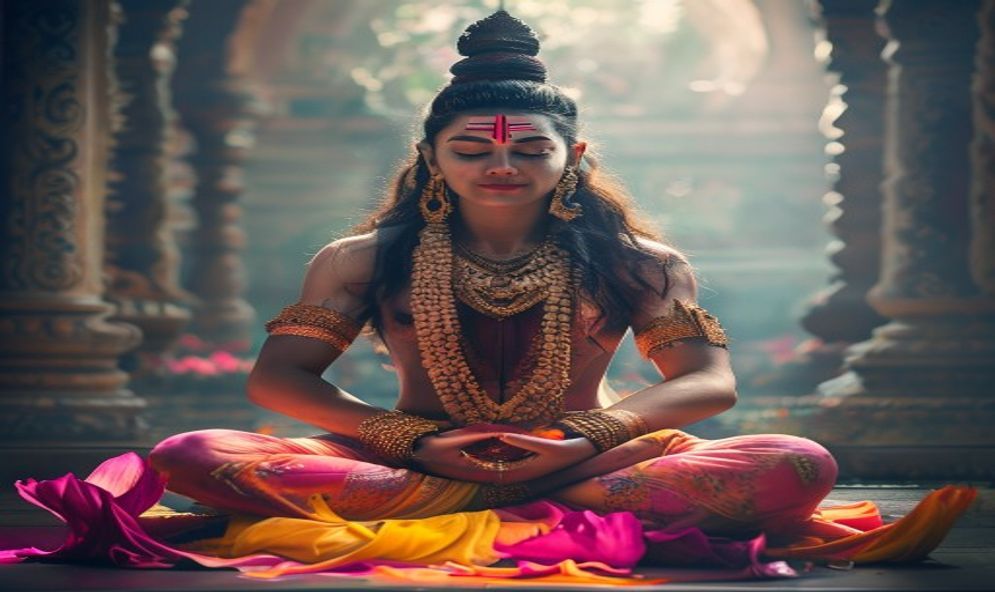
Shiva Linga - The Symbol of the Cosmic Pillar
The Shiva Linga is the most ancient and sacred symbol of Lord Shiva. Found in temples, homes, and natural locations across India and the world, the linga is a powerful object of worship. But what exactly is the Shiva Linga? The word "Linga" comes from Sanskrit roots meaning "sign" or "symbol." In philosophical terms, the Shiva Linga represents the formless, infinite, and unmanifest aspect of the divine. It is the cosmic pillar of light and energy that has no beginning and no end. According to the Linga Purana, the linga is the most complete representation of the supreme reality - it contains within itself both the manifest and the unmanifest, the male and the female, the form and the formless. This is why the linga is always worshipped with a base (pitha) that represents Shakti, the divine feminine energy. The union of the linga and the pitha represents the union of Shiva and Shakti from which all creation emerges. Understanding the Shiva Linga is essential for anyone who wishes to understand the deeper dimensions of Shaivism.
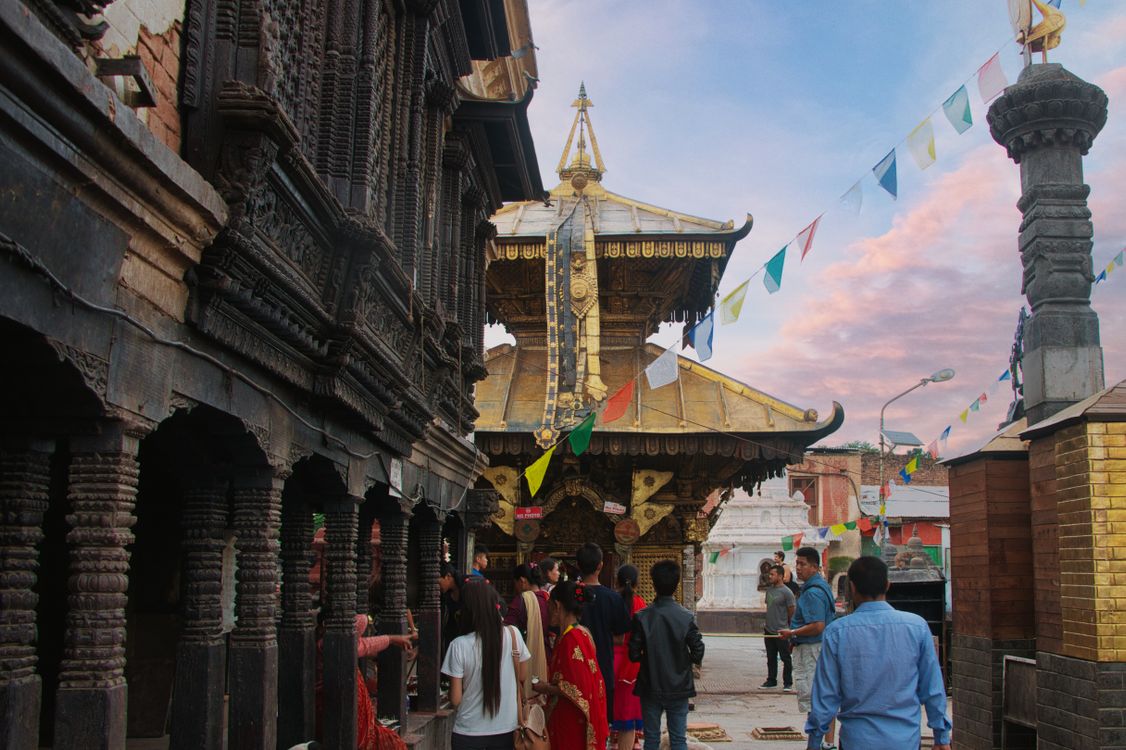
What is the Shiva Linga?
The Shiva Linga is typically a rounded, cylindrical structure that emerges from a flat, circular base. The entire structure is called a linga, while the base is called the pitha or avudaiyar. The linga itself represents Shiva, the pure consciousness, while the pitha represents Shakti, the creative energy. Together, they symbolize the union of consciousness and energy from which the universe is born. The shape of the linga has deep symbolic meaning. The rounded upper portion represents the infinite, formless nature of Shiva. It has no beginning and no end, just like the cosmic pillar of light that appeared before Brahma and Vishnu. The circular base represents the material universe, which rests on the foundation of divine energy. The point where the linga meets the pitha represents the interface between the spiritual and material realms. When water is poured over the linga during abhishek, it flows down the sides and collects in the base. This symbolizes how divine grace descends from the unmanifest realm into the material world, blessing all beings. The linga is not an idol in the usual sense. It is not meant to represent the human form of Shiva. Rather, it is an abstract symbol that points to the formless reality behind all forms. It is similar to how a flag represents a nation - the flag is not the nation itself, but it represents everything that the nation stands for. Similarly, the linga is not Shiva but represents everything that Shiva is - infinite, eternal, formless, and yet the source of all forms.
The Story of the Jyotirlinga
According to the Shiva Purana, the most sacred lingas are the twelve Jyotirlingas, or "lingas of light." The story begins with a dispute between Brahma and Vishnu about who was supreme. As they argued, a massive pillar of light appeared before them. The pillar had no beginning and no end. Brahma turned into a swan and flew upward to find the top. Vishnu turned into a boar and dug downward to find the bottom. Neither could find the end. After thousands of years of searching, they returned, humbled. The pillar of light was Shiva himself, appearing as the infinite Jyotirlinga. Shiva declared that he would manifest in twelve special forms on earth where devotees could worship him. These became the twelve Jyotirlingas, the most sacred Shaiva pilgrimage sites in India. The twelve Jyotirlingas are: Somnath in Gujarat (the first jyotirlinga, destroyed and rebuilt many times, standing on the coast of the Arabian Sea), Mallikarjuna in Srisailam, Andhra Pradesh (on a hill in the Nallamala forest), Mahakaleshwar in Ujjain, Madhya Pradesh (known for the unique Bhasma Aarti performed at dawn), Omkareshwar on the Narmada river in Madhya Pradesh (shaped like the Om symbol), Kedarnath in the Himalayas of Uttarakhand (accessible only six months a year due to snow), Bhimashankar in the Sahyadri hills of Maharashtra, Kashi Vishwanath in Varanasi, Uttar Pradesh (the most famous jyotirlinga, on the banks of the Ganga), Trimbakeshwar near Nashik, Maharashtra (near the source of the Godavari river), Vaidyanath in Deoghar, Jharkhand (associated with Ravana story), Nageshwar near Dwarka, Gujarat, Rameshwaram in Tamil Nadu (on the island of Rameswaram, associated with the Ramayana), and Grishneshwar near Ellora, Maharashtra. Each Jyotirlinga has a unique story and architecture. Pilgrims traditionally visit all twelve to complete the Jyotirlinga yatra, which is considered one of the most meritorious pilgrimages in Hinduism.
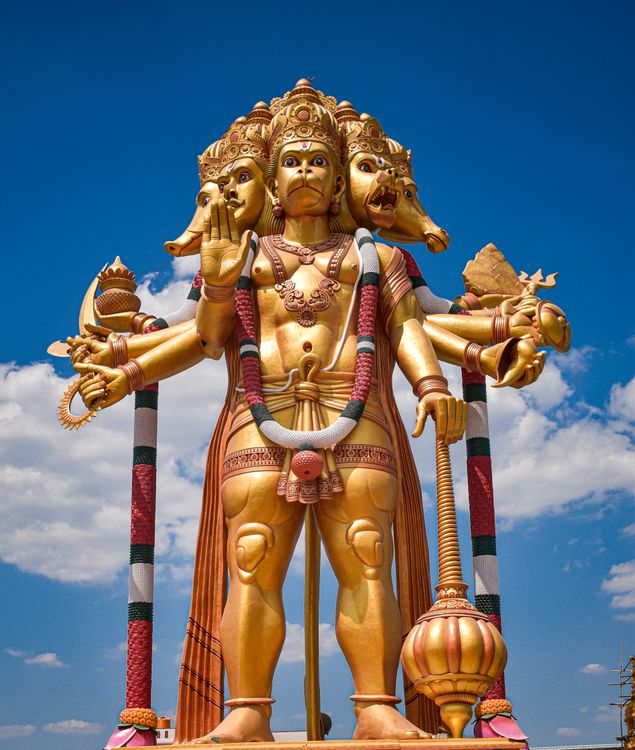
Types of Shiva Lingas
Shiva Lingas are classified into several types based on their origin, material, and purpose. Understanding these types helps devotees choose the appropriate linga for their worship.
Swayambhu Linga: These are naturally occurring lingas that are not carved or shaped by human hands. They are found in riverbeds, caves, and mountains. The most famous Swayambhu lingas are found at the Gudimallam temple in Andhra Pradesh and at the Parasurameshwar temple in Odisha. These lingas are considered the most powerful because they are self-manifested by nature. Natural round stones from the Narmada river, known as Banalingas, are considered Swayambhu lingas. They are naturally elliptical and egg-shaped, requiring no carving. Banalingas are highly prized and are worshipped in homes and temples across India.
Bana Linga: These are naturally polished, elliptical stones found only in the Narmada river, especially near the town of Bargaon in Madhya Pradesh. They range in size from small pebbles to large boulders. Banalingas are considered very sacred and are believed to contain the essence of all twelve Jyotirlingas. The natural shape is already perfect for worship and requires no modification. Banalingas are traditionally worshipped in homes, as they are said to bring peace, prosperity, and protection to the household. They are also used for abhishek and daily worship.
Dharu Linga: These are lingas made by human hands from various materials. Dharu lingas can be made from stone (saligram, granite, marble), metal (panchaloha - five metals, gold, silver, brass, copper), crystal (sphatika - clear quartz), wood (usually sandalwood), clay (baked or unbaked), or precious gems (emerald, ruby). Stone lingas are the most common in temples. Crystal (sphatika) lingas are considered very pure and are used for meditation. Metal lingas are often found in home shrines. Clay lingas are made for festivals, especially Maha Shivaratri, and are immersed in water after use.
Manusha Linga: These are human-made lingas installed in temples and homes. They follow strict iconographic rules prescribed in the Agamas. The proportions, shape, and installation rituals are carefully specified. Manusha lingas are further classified by the materials used and the installation methods. The worship of a properly installed Manusha linga is considered equivalent to worshipping Shiva himself.
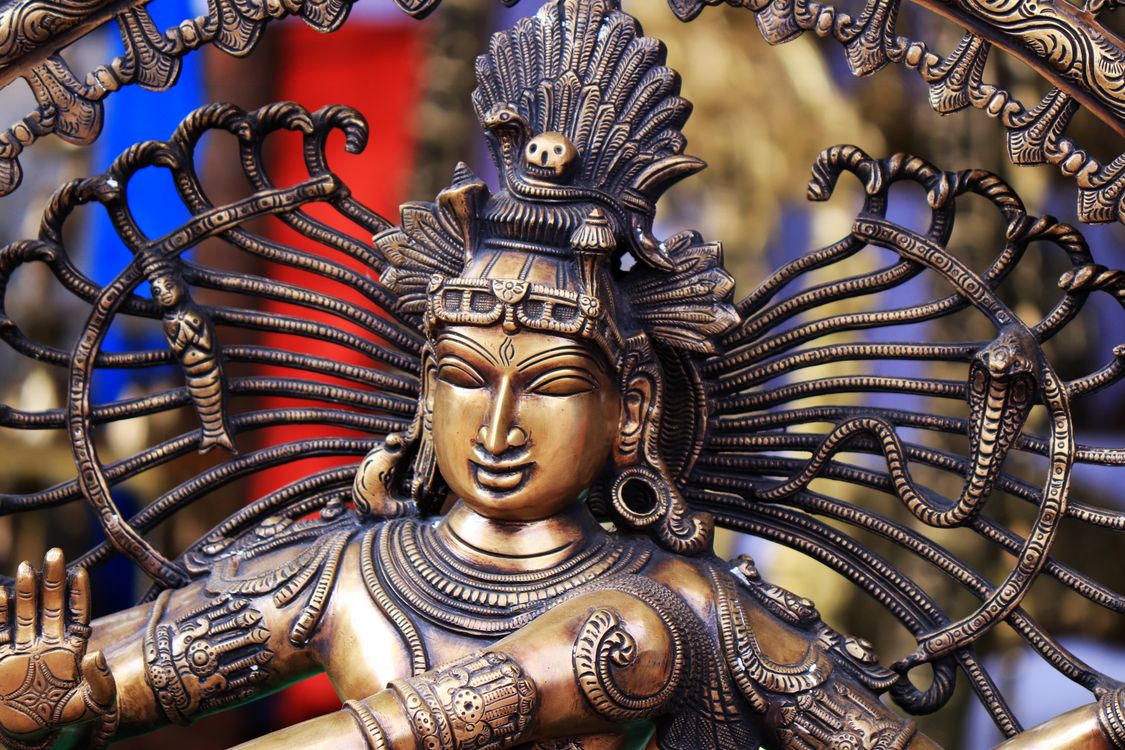
How the Shiva Linga is Worshipped
The worship of the Shiva Linga is called Rudrabhishek. The basic ritual involves bathing the linga with various substances while chanting mantras. The abhishek can be performed with water, milk, yogurt, ghee, honey, sugar, coconut water, panchamrit (a mixture of milk, yogurt, ghee, honey, and sugar), sugarcane juice, or Ganga water. Each substance has symbolic meaning - milk represents purity, honey represents sweetness, ghee represents strength, yogurt represents prosperity, and sugar represents happiness. After the abhishek, the linga is adorned with sandalwood paste, rudraksha beads, and flowers. Belpatra (bilva leaves) are the most important offering. The trifoliate leaf represents the three functions of Shiva - creation, preservation, and destruction. It also represents the three gunas - sattva, rajas, and tamas. According to the Shiva Purana, offering one belpatra leaf with devotion is more valuable than offering gold and jewels without devotion. Datura flowers, white flowers, and lotus flowers are also offered. Incense and lamps are lit, and offerings of food (naivedya) are made. The worship concludes with the chanting of the Shiva Chalisa, the Rudrashtadhyayi, or the 108 names of Shiva.
Common Misinterpretations Clarified
The Shiva Linga has unfortunately been misunderstood by some who are not familiar with the deeper symbolism of Hindu iconography. It is important to clarify these misconceptions so that the true meaning of the linga can be appreciated. First, the Shiva Linga is not a phallic symbol in the Western sense. This interpretation was popularized by early European colonial scholars who saw the linga through a narrow lens. In the Shaiva tradition, the linga represents the infinite, formless cosmic pillar of light and consciousness. The cylindrical shape represents the unmanifest, and the circular base represents manifest creation. The union of the two represents the totality of existence. Second, the worship of the linga is not a fertility cult. While it is true that the linga represents creative energy, this energy is cosmic and spiritual, not merely biological. The linga worship is about connecting with the supreme consciousness, not about material fertility. Third, the linga is not an idol. It is an abstract symbol, like the Om symbol or the Sri Yantra. It is not meant to represent a human-like form of Shiva but rather points to the formless reality that cannot be depicted anthropomorphically. The linga reminds us that the divine is ultimately beyond form, though it manifests through forms. Fourth, women are not forbidden from touching or worshipping the linga. In fact, the Linga Purana explicitly states that women can and should worship the linga. The Goddess Parvati herself is the prime example - she performs abhishek on the linga daily. The misconception that women should not touch the linga is a later social addition with no scriptural basis. Fifth, the linga is not exclusive to Shaivism. Linga-like objects have been found in Harappan civilization excavations dating back to 3000 BCE. The worship of abstract symbols representing the divine is a universal human impulse found in many cultures.
The Spiritual Significance
The Shiva Linga is not just an object of worship - it is a profound spiritual tool. When you meditate on the linga, you are meditating on the nature of reality itself. The smooth, rounded form of the linga helps focus the mind. Its simplicity is its power - there are no distracting details, no multiple arms or attributes to remember. Just the pure, simple form that represents the pure, simple consciousness. The practice of abhishek is also deeply meditative. Pouring water over the linga while chanting mantras creates a rhythmic, hypnotic effect that stills the mind. The sound of water, the smell of sandalwood and flowers, the sight of the lamp flame reflecting on the polished stone - all these sensory experiences combine to create a powerful atmosphere for meditation. In essence, the Shiva Linga worship is a complete spiritual practice. It combines devotion (bhakti), meditation (dhyana), mantra (japa), and ritual (karma) in a single practice. For thousands of years, this practice has been the foundation of Shaiva spirituality. Whether in the great temples of India or in a simple home shrine, the Shiva Linga continues to connect millions of devotees with the infinite consciousness of Mahadev. When you bow before the linga, you are not bowing to a stone - you are bowing to the cosmic reality that the stone represents. And in that act of surrender, you touch something eternal within yourself. Har Har Mahadev!