Shiva Family: Ganesha, Kartikeya, and Parvati
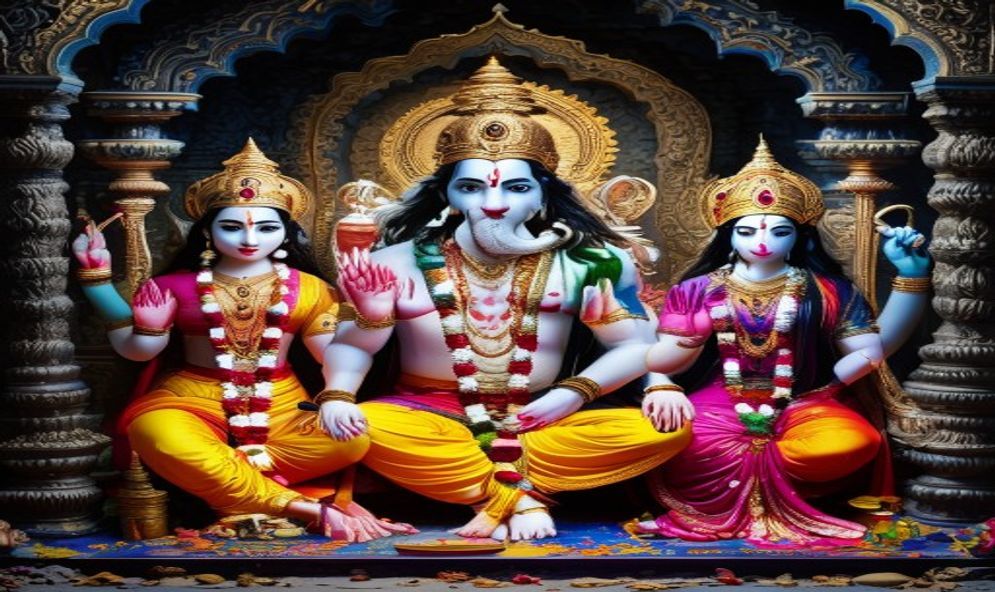
The Divine Family of Lord Shiva - Shiv Parivar
The family of Lord Shiva - known as Shiv Parivar - consists of Shiva, his consort Parvati, and their two sons, Ganesha and Kartikeya. This divine family represents the perfect balance of spiritual and material life. Shiva, the supreme ascetic who lives in cremation grounds, also becomes the ideal householder. Parvati, the daughter of the Himalayas, is both the gentle mother and the fierce goddess Durga. Ganesha, the elephant-headed god, is the remover of obstacles and the god of wisdom. Kartikeya, the six-faced god, is the commander of the divine army and the god of war. Together, they represent different aspects of life - wisdom, courage, love, and strength. The stories of how this family came together are among the most beloved in Hindu mythology. They teach us about love, sacrifice, family dynamics, and the importance of each member in maintaining harmony in the family.
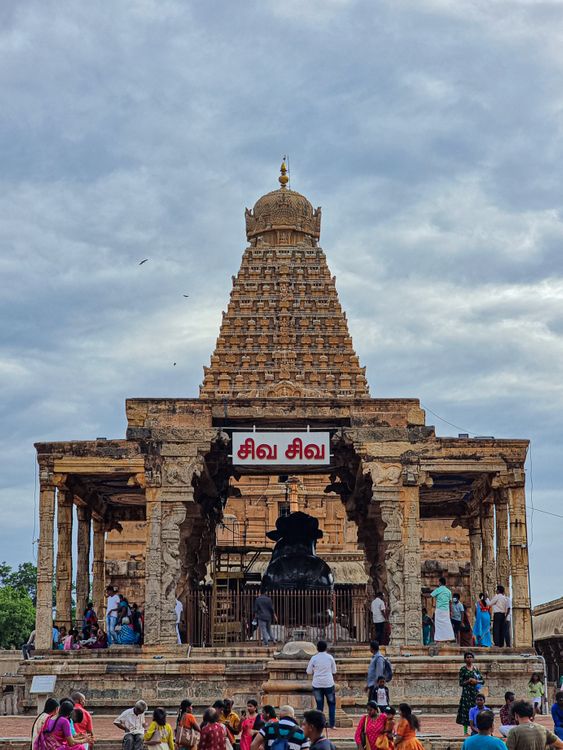
The Marriage of Shiva and Parvati
The marriage of Shiva and Parvati is a deeply romantic and profound story. After the death of his first wife Sati, Shiva went into deep meditation, withdrawing from all worldly affairs. The demon Tarakasura received a boon that he could only be killed by the son of Shiva. Since Shiva was in deep meditation with no interest in marriage, Tarakasura terrorized the universe. The gods realized they needed Shiva to marry and have a son. Parvati, who was the reincarnation of Sati, undertook severe penance to win Shiva love. She gave up all comforts, ate only leaves and fruits, and meditated in the forest for years. Her penance was so intense that she gave up even leaves and subsisted on nothing but air. But the path was not easy. Shiva tested Parvati devotion repeatedly. First, he appeared before her as a Brahmin and spoke ill of Shiva to test her faith. Parvati defended Shiva with such passion that the Brahmin was impressed. Next, he sent the seven sages to test her further. Still, she remained unwavering in her devotion. Finally, Shiva appeared in his true form, radiant and majestic. He was pleased with Parvati devotion and agreed to marry her. The marriage was celebrated with great splendor. All the gods and goddesses attended. Vishnu gave away the bride, Brahma performed the rituals, and the entire universe rejoiced. The marriage of Shiva and Parvati is celebrated during Maha Shivaratri. It symbolizes the union of consciousness (Shiva) with energy (Shakti). Without this union, creation cannot happen. The marriage is the cosmic union that makes all life possible. In every household, the relationship of Shiva and Parvati is held as the ideal marriage - based on mutual respect, deep love, and complementary roles.
The Birth of Ganesha
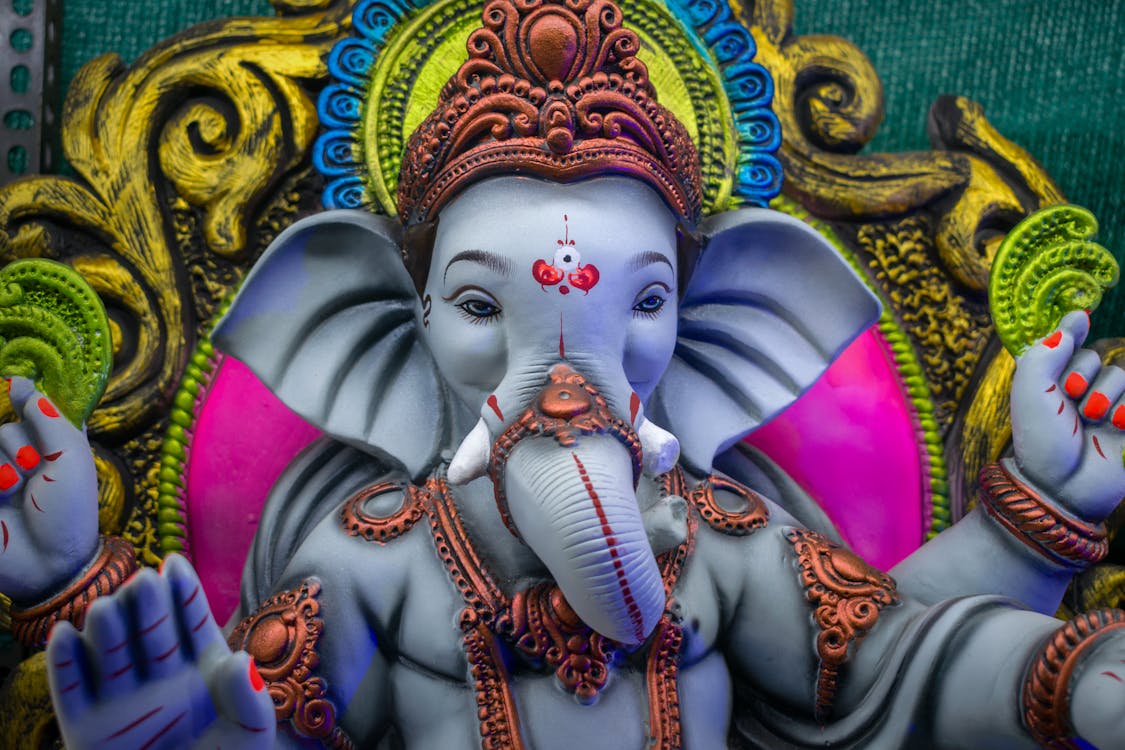
The birth of Ganesha is one of the most fascinating stories in Hindu mythology. Unlike most children, Ganesha was created by Parvati alone. One day, while Shiva was away meditating, Parvati decided to take a bath. She needed someone to guard the door. Taking the turmeric paste from her body (which she used for her bath), she shaped it into a boy and breathed life into him. She named him Ganesha and instructed him not to let anyone enter while she bathed. Ganesha, eager to obey his mother, stood guard at the entrance. At that moment, Shiva returned from his meditation. He was stopped by the boy who would not let him pass. Shiva did not know this was his son. He asked the boy to move, but Ganesha, following his mother orders, refused. Shiva grew angry. His ganas (attendants) tried to remove the boy, but Ganesha was too powerful. Finally, in a fit of rage, Shiva cut off the boy head with his trishul and entered the house. Parvati emerged from her bath and saw the headless body of her son. She was devastated. She demanded that Shiva bring her son back to life. Shiva realized his mistake. He promised Parvati that he would restore the boy life. He sent his ganas in all directions to find the head of the first creature they found facing north. The ganas found an elephant facing north and brought its head. Shiva attached the elephant head to the boy body and breathed life into him. Ganesha was alive again. Shiva embraced him as his own son, blessed him to be the first worshipped (pratham pujya) among all gods, and declared him the remover of obstacles. This story teaches profound lessons. Ganesha loyalty to his mother is absolute - he followed her instructions even at the cost of his life. Shiva ability to accept his mistake and correct it shows true leadership. Parvati love gives birth to new life even in difficult circumstances. The elephant head symbolizes wisdom and the ability to remove obstacles. Ganesha, with his large ears, listens patiently; with his small eyes, he concentrates deeply; with his trunk, he discriminates between what to accept and reject.
The Birth of Kartikeya
The birth of Kartikeya, also known as Murugan, Skanda, or Subramanya, is equally dramatic. The demon Tarakasura was terrorizing the universe. His boon made him invincible except to the son of Shiva. But when would Shiva, the supreme yogi, have a son? The gods approached Kamadeva, the god of love, to break Shiva meditation. Kamadeva shot his flower arrows at Shiva. Shiva opened his third eye and burned Kamadeva to ashes. But the purpose was served - Shiva agreed to marry Parvati. After their marriage, the cosmic couple needed a powerful being to destroy Tarakasura. Shiva released his seed which was too hot for anyone to handle. Agni, the fire god, carried it, but it was too hot for him too. It passed through Ganga, and finally, in the Saravana forest, it manifested as six babies, each on a lotus flower. These six babies were cared for by the six Krittika (Pleiades) stars. When Parvati saw the babies, she embraced them all, and they merged into one child with six faces. This is Kartikeya, the six-faced god (Shanmukha). Kartikeya grew up to be the commander of the divine army. He led the gods to victory against Tarakasura. He is the god of war, courage, and leadership. But he is also the god of wisdom and learning - the Tamil tradition particularly reveres him as Murugan, the beloved deity of South India. Unlike Ganesha, who removes obstacles through wisdom, Kartikeya removes obstacles through action and courage. The two brothers complement each other. In the family of Shiva, both wisdom and action are valued. Ganesha represents the intellectual approach, while Kartikeya represents the warrior approach. Together, they show that there are multiple paths to the same goal.
Family Dynamics in the Puranas
The Puranas are filled with stories about the interactions between Shiva family members, often showing very human dynamics beneath the divine surface. One famous story involves a competition between Ganesha and Kartikeya. They both wanted to marry the divine maiden Valli. Shiva and Parvati decided that whoever could circle the universe first would win. Kartikeya immediately flew off on his peacock, confident of victory. Ganesha, with his vehicle the mouse, was much slower. But Ganesha used his wisdom. He walked around his parents, Shiva and Parvati, and said, "You are my universe. My parents are my entire world." Shiva and Parvati were so pleased that they declared Ganesha the winner. Kartikeya returned to find he had lost. He was furious. He felt humiliated and left Kailash, vowing never to return to a family where Ganesha wisdom was preferred over his courage. Kartikeya settled in the Palani hills of South India, living as a renunciate. Parvati was heartbroken. She missed her elder son terribly. Even today, there are temples where Kartikeya is worshipped as a lone ascetic, separated from his family. This story touches on universal family themes - sibling rivalry, the feeling of being undervalued, and the pain of separation. But it also shows that in the divine family, each member is unique. Ganesha wisdom and Kartikeya courage are both needed for the universe to function. Another story shows Parvati playful side. Once, she playfully covered Shiva eyes from behind. The universe went dark, and all creation trembled. When Shiva opened his third eye (which was inside his forehead), the darkness was dispelled. But the heat from his third eye caused Parvati to sweat. From that sweat, a divine child was born. This story shows the loving, playful relationship between Shiva and Parvati. Despite Shiva ascetic nature, he is a loving husband to Parvati. He lets her cover his eyes, he attends family functions, and he adores his children.
The Ideal Family
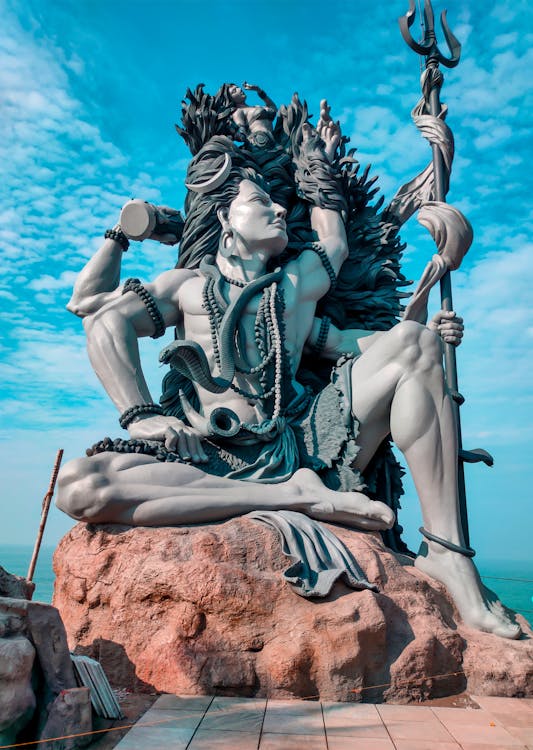
Shiv Parivar represents the ideal family in Hindu thought. The family includes four members, each with distinct personalities and roles. Shiva is the detached father who is yet deeply loving. Parvati is the nurturing mother who balances Shiva ascetic nature. Ganesha is the wise son who removes obstacles through intellect. Kartikeya is the brave son who overcomes challenges through action. Together, they teach us that a family does not need to be perfect - it just needs to have love. The divine family has disagreements, competitions, and moments of separation. But through it all, the bond of love remains. Shiva, despite being the supreme ascetic, takes time to be with his family. Parvati, despite being the daughter of the Himalayas, serves her husband with devotion. Ganesha and Kartikeya, despite their sibling rivalry, ultimately respect each other. The lessons from Shiv Parivar are timeless. Parents should respect each child unique qualities. Children should respect each other differences. Husbands and wives should support each other. And most importantly, love should be the foundation of every family interaction. The divine family shows us that spiritual life and family life are not incompatible. Shiva, the greatest yogi, is also a husband and father. He demonstrates that one can be deeply spiritual while fulfilling one worldly responsibilities. This is the highest teaching of the Shiv Parivar - the goal is not to run away from family but to transform family relationships through love, wisdom, and devotion. When we bring the qualities of Shiv Parivar into our own families, our homes become temples and our relationships become pathways to the divine. Har Har Mahadev!