Sacred Rivers of India: Ganga, Yamuna and More
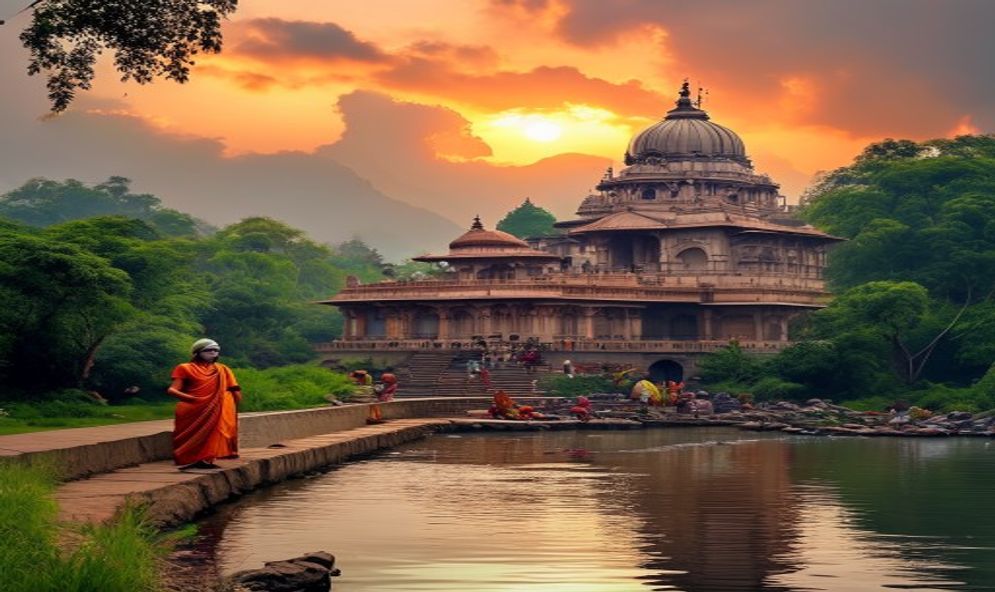
Sacred Rivers of India - Bharat Ki Pavitriya Nadiyaan
Rivers in India are not merely bodies of water - they are living goddesses, revered and worshiped as divine mothers. The tradition of river worship in Sanatan Dharma is ancient and profound. Rivers are seen as purifiers, sustainers, and liberators. Bathing in a sacred river is believed to wash away sins and grant spiritual merit. The seven most sacred rivers of India, known as the Sapta Sindhu, are the Ganga, Yamuna, Saraswati, Godavari, Narmada, Sindhu (Indus), and Kaveri. Each river has its own mythology, its own cultural significance, and its own unique relationship with the communities that live along its banks. Today we explore the stories and significance of these sacred rivers, starting with the most revered of them all - Maa Ganga.
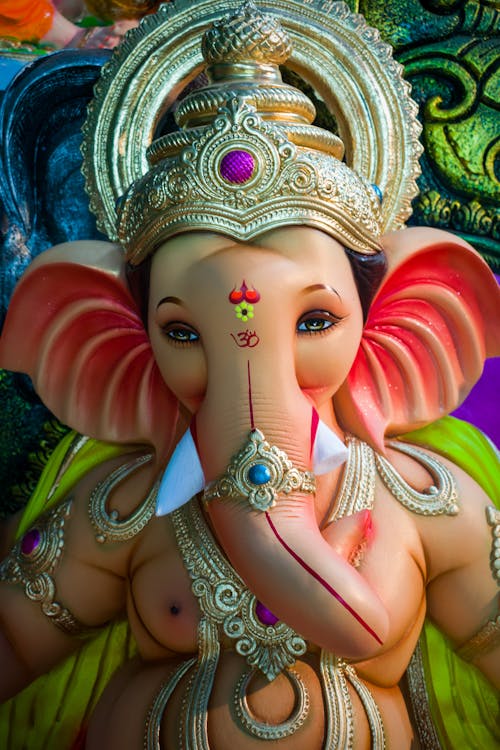
Ganga Avatarana - The Descent of the Ganges
The story of Ganga descent from heaven to earth is one of the most beautiful tales in Hindu mythology. King Bhagiratha, an ancestor of Lord Rama, performed intense tapasya (penance) to bring the river Ganga from heaven to earth. He needed the sacred waters to release the souls of his 60,000 ancestors, who had been cursed to remain as ashes. After years of meditation, Brahma agreed to allow Ganga to descend. However, the force of Ganga descent was so powerful that it would have destroyed the earth. Lord Shiva caught Ganga in his matted locks, breaking her fall into seven streams. From Shiva hair, Ganga flowed gently to the earth, following the path that Bhagiratha had prepared. This is why Ganga is called Bhagirathi - she who was brought by Bhagiratha, and why Shiva is called Gangadhara - the bearer of Ganga.
The Ganga river system is one of the largest in the world, stretching over 2,500 kilometers from the Himalayas to the Bay of Bengal. It supports over 400 million people who live along its basin, making it the most populous river basin on earth. The Ganga is not just a river but a lifeline for northern India, providing water for drinking, agriculture, industry, and transportation. Despite the environmental challenges it faces today, the spiritual significance of Maa Ganga remains undiminished. Every year, millions of devotees travel to the ghats (riverbanks) of Varanasi, Haridwar, Rishikesh, and Allahabad to bathe in her waters, perform rituals, and seek liberation.
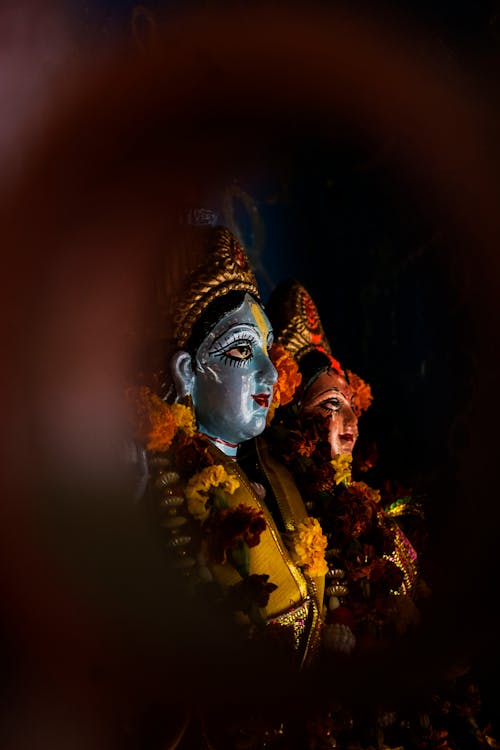
Ganga Aarti at Varanasi - A Spiritual Spectacle
The Ganga Aarti (also called Ganga Aarati) performed at the Dashashwamedh Ghat in Varanasi is one of the most spectacular spiritual ceremonies in the world. Every evening at sunset, a group of young priests dressed in silk robes perform an elaborate ritual involving fire, incense, conch shells, and synchronized movements. Five large lamps with multiple wicks are swung in graceful arcs while devotional songs dedicated to the Ganga are sung. Thousands of devotees and tourists gather on the steps of the ghat, on boats in the river, and on nearby rooftops to witness this ceremony. The aarti is a multi-sensory experience - the sound of mantras and bhajans, the fragrance of incense and flowers, the sight of lamps reflected in the dark water, and the feeling of collective devotion create an atmosphere that is deeply moving.
Yamuna - Krishna Divine River
The Yamuna River is the second most sacred river in India, intimately connected with the life and leelas of Lord Krishna. According to legend, the Yamuna is the daughter of the sun god Surya and the sister of Yama, the god of death. She is considered a goddess in her own right, and bathing in her waters is believed to protect from untimely death. The Yamuna is most famously associated with Krishna childhood in Vrindavan and Mathura. The banks of the Yamuna in Vrindavan are where Krishna played his flute, danced the Raas Leela with the gopis, and performed his divine pastimes. The river herself is said to have been purified by Krishna touch and presence.
The story of Kaliya Daman (the subduing of the serpent Kaliya) took place in the Yamuna. The serpent Kaliya had poisoned the river, killing the aquatic life and endangering the people of Vrindavan. Young Krishna jumped into the deep waters of the Yamuna, danced on Kaliya multiple hoods, and subdued him. Kaliya and his family were banished to the ocean, and the Yamuna was restored to purity. This story symbolizes the cleansing of negative forces and the restoration of natural balance. Today, the Yamuna flows through Delhi and is one of the most polluted rivers in India, but devotees continue to perform rituals on its banks, particularly during the Yamuna Jayanti festival, which celebrates the river divine birth.
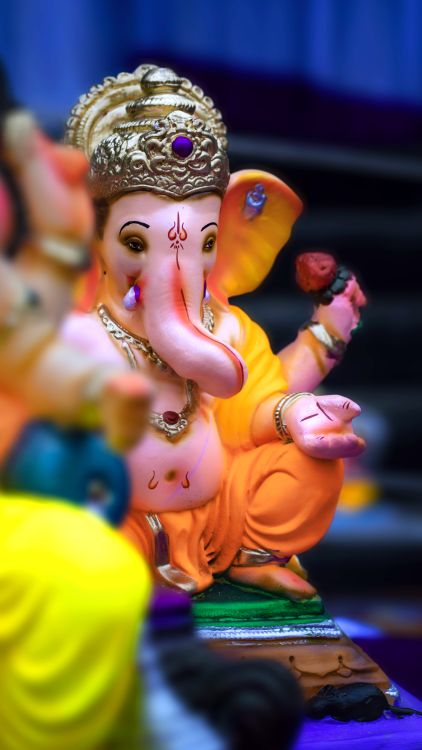
Saraswati - The Mythical River
The Saraswati River holds a unique place in Hindu mythology. It is mentioned extensively in the Rigveda as a mighty river that flowed between the Yamuna and the Sutlej. The Saraswati is personified as the goddess of knowledge, music, and arts. However, unlike the Ganga and Yamuna, the Saraswati is no longer visible on the surface. Geological and archaeological evidence suggests that the ancient Saraswati River dried up around 4000 years ago due to tectonic shifts and climate change. Despite being invisible, the Saraswati is still invoked in Hindu rituals. At the Triveni Sangam (triple confluence) in Prayagraj (Allahabad), the Saraswati is believed to flow underground and meet the Ganga and Yamuna at the confluence. This makes the Sangam the holiest site for bathing in Hindu tradition, especially during the Kumbh Mela.
Godavari - The Ganga of the South
The Godavari River, originating from Trimbakeshwar in Maharashtra and flowing through Telangana, Andhra Pradesh, and Odisha to the Bay of Bengal, is the second longest river in India after the Ganga. It is called Dakshin Ganga or the Ganga of the South. The Godavari is considered as sacred as the Ganga, and its banks are dotted with important pilgrimage sites. The most famous is Trimbakeshwar, one of the twelve Jyotirlingas of Shiva, located at the river source. The Panchavati in Nashik, where Lord Rama lived during his exile, is situated on the banks of the Godavari. The Pushkaram festival, celebrated every 12 years in honor of the Godavari, attracts millions of devotees who take a holy dip in the river.
The Godavari basin is rich in culture and history. The river has supported great civilizations and empires, including the Satavahanas, the Kakatiyas, and the Vijayanagara Empire. The Godavari Delta in Andhra Pradesh is one of the most fertile regions in India, often called the Rice Bowl of the South. The river is worshiped as a goddess, and special pujas are performed during the Godavari Pushkaram, a major festival that occurs when Jupiter enters the zodiac sign of Leo. During this period, the river is believed to be especially potent with spiritual energy, and devotees from across the country gather at its banks.
Narmada - The Wandering River
The Narmada River, originating from the Amarkantak plateau in Madhya Pradesh, is unique among Indian rivers. While most rivers in peninsular India flow eastward into the Bay of Bengal, the Narmada flows westward into the Arabian Sea. It is considered so sacred that a full parikrama (circumambulation) of the river, covering over 2,600 kilometers on foot, is undertaken by sadhus and devotees as a spiritual practice. The Narmada Parikrama takes about 3 to 5 years to complete and is considered one of the most difficult penances in Hinduism. The river is associated with Lord Shiva - according to legend, the Narmada emerged from the body of Shiva when he was in deep meditation. Her waters are believed to have the power to cleanse even the gravest of sins.
Significance of River Worship
River worship in India is not just about religion - it is a profound ecological statement. By treating rivers as goddesses, Hindu culture created a powerful incentive to protect and preserve water bodies. The rivers are addressed as Maa (mother) because, like a mother, they nourish, sustain, and purify. The practice of taking a Ganga Snan (holy bath) is as much about physical cleanliness as spiritual purification. The aarti ceremony is an expression of gratitude for the life-giving waters. The disposal of ashes in rivers is a recognition that our bodies, made of earth and water, ultimately return to these elements. This deep spiritual connection with rivers is something that modern environmental movements are trying to recreate through scientific arguments.
Kumbh Mela - The Grand Gathering
The Kumbh Mela is the largest religious gathering on earth, held every 12 years at four locations - Prayagraj (Allahabad), Haridwar, Ujjain, and Nashik. The festival is based on the legend of Samudra Manthan, during which the pot (kumbha) of amrita (nectar of immortality) was carried by the gods. Drops of the nectar fell at these four locations, making them eternally sacred. During the Kumbh Mela, millions of devotees, sadhus, ascetics, and pilgrims gather to bathe in the sacred rivers - the Ganga at Haridwar, the Godavari at Nashik, the Shipra at Ujjain, and the Triveni Sangam at Prayagraj. The sheer scale of the Kumbh Mela is staggering - over 100 million people attended the 2013 Kumbh Mela at Prayagraj, making it the largest peaceful gathering in human history. The festival demonstrates the enduring power of river worship in Hindu culture.
Environmental Challenges
The sacred rivers of India face severe environmental challenges. Industrial waste, sewage, agricultural runoff, plastic pollution, and the construction of dams have degraded the water quality of most rivers. The Ganga, despite being worshiped as a goddess, is one of the most polluted rivers in the world. The Indian government has launched the Namami Gange program to clean and rejuvenate the Ganga, but the task is enormous. Individual actions also matter - reducing plastic use, not dumping waste in rivers, supporting river conservation organizations, and participating in cleanup drives can make a difference. By honoring the goddess in the river, we must also protect the river that gives life to millions.
The sacred rivers of India are a gift of nature and a treasure of culture. Maa Ganga, Yamuna, Saraswati, Godavari, and Narmada have shaped the civilization, spirituality, and daily life of India for millennia. They carry not just water but the hopes, prayers, and aspirations of billions. As we worship these rivers as goddesses, let us also take responsibility for their protection. A clean river is the truest form of worship. May the sacred waters continue to flow, purify, and sustain life for generations to come.