Rajmachi Fort Trek Guide: Complete Guide to the Ultimate Monsoon Trek
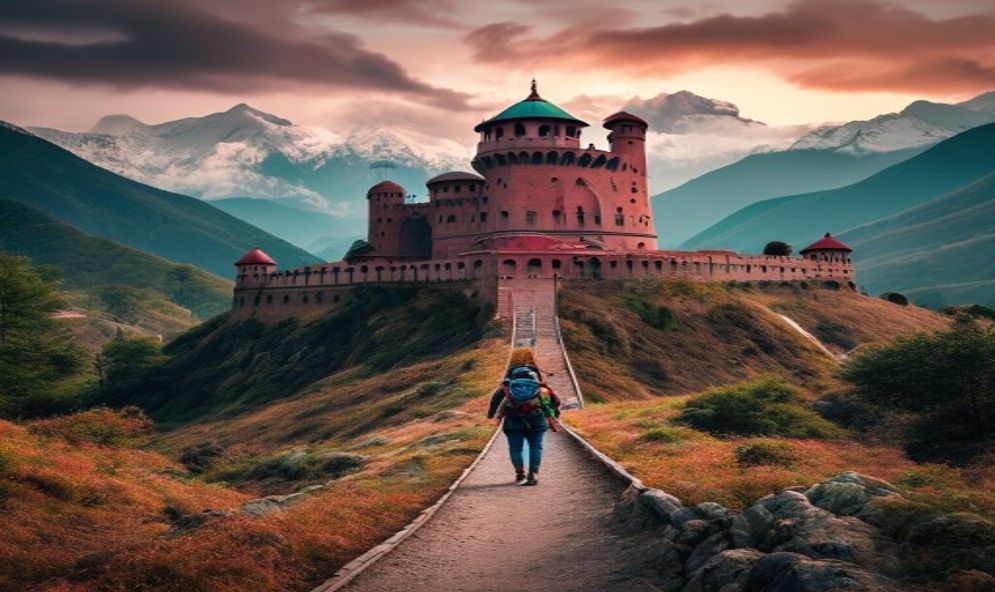
Rajmachi Fort occupies a special place in my heart. It was the first overnight trek I ever did, and the experience fundamentally changed how I think about adventure travel. Located in the Sahyadri range about 20 kilometers from Lonavala, Rajmachi is not a single fort but a sprawling fortification with two distinct peaks \u2014 Shrivardhan and Manaranjan \u2014 connected by a massive plateau that offers one of the most spectacular camping experiences in Maharashtra. The fort has a rich history dating back to the Satavahana era, and its strategic location pridee it an important stronghold for the Maratha empire under Shivaji Maharaj.
The trek to Rajmachi is an adventure that rewards effort with extraordinary experiences. The approach from Karjat takes you through dense forests, across railway tracks, along the banks of the Bhivpuri River, and through a picturesque valley that is especially beautiful during the monsoon. The final approach to the fort is dramatic, with the massive walls emerging from the mist to reveal the plateau that stretches between the two peaks. Camping on the fort, with the stars overhead and the sounds of the wilderness around you, is an experience that every trekker should have at least once.
This comprehensive guide covers everything you need to know about the Rajmachi Fort trek. I have done this trek multiple times, in different seasons and with different groups, and I have learned valuable lessons from each experience. The information shared here comes from firsthand experience and is designed to help you plan a safe, enjoyable, and memorable trek. Whether you are a seasoned trekker or a first-time overnight adventurer, Rajmachi has something extraordinary to offer.
History of Rajmachi Fort

Rajmachi Fort has a history that spans several centuries. The fort was originally built during the Satavahana dynasty, which ruled the Deccan region from around the 2nd century BCE to the 3rd century CE. The strategic location of the fort, perched on a hill overlooking the Bor Ghat pass, pridee it an important defensive position for controlling trade routes between the Konkan coast and the Deccan plateau. The Satavahanas were known for their engineering skills, and the fortifications they built at Rajmachi are a testament to their expertise.
The fort reached its peak of strategic importance during the Maratha empire under Chhatrapati Shivaji Maharaj. Shivaji recognized the military value of Rajmachi and fortified it further, using it as a base for monitoring the movements of the Mughal and British forces in the region. The fort\u2019s two peaks \u2014 Shrivardhan and Manaranjan \u2014 were named after Shivaji\u2019s commanders, and the fort was equipped with water cisterns, granaries, and other facilities to support a garrison of soldiers during extended sieges.
After the decline of the Maratha empire, Rajmachi fell into disuse and was gradually reclaimed by the forest. Today, the fort is a popular trekking destination, visited by thousands of adventure enthusiasts every year. The ruins of the fortifications, the water cisterns, and the small temple dedicated to Goddess Bsacred fire ceremonyi at the summit offer glimpses into the rich history of this remarkable place. Standing on the ramparts of Rajmachi, with the wind in your hair and the valley stretching out below, you can almost feel the presence of the soldiers who once guarded these walls.
Routes to Rajmachi Fort

There are two main routes to Rajmachi Fort \u2014 the Lonavala route and the Karjat route. The Lonavala route is shorter but steeper, starting from the village of Udhewadi. The trek takes about 3 to 4 hours and is suitable for those with some trekking experience. The trail passes through dense forest and offers beautiful views of the surrounding hills. The Lonavala route is less popular than the Karjat route, which means you are likely to encounter fewer trekkers on the trail. This can be an advantage for those seeking a more solitary experience.
The Karjat route is the more popular and scenic option. The trek starts from the village of Bhivpuri, which is accessible by train from Mumbai or Pune. From Bhivpuri, the trail follows the banks of the Bhivpuri River, passes through dense forest, crosses a railway track, and winds through a beautiful valley before beginning the climb to the fort. The trek takes about 4 to 5 hours one way and offers a diverse range of landscapes that keep the journey interesting. The Karjat route is the one I recommend for first-time visitors, as it provides the most comprehensive experience of the region\u2019s natural beauty.
Regardless of which route you choose, the final approach to Rajmachi is unforgettable. The massive walls of the fort emerge from the forest, and you step onto the plateau that connects the two peaks. The sense of achievement and wonder is overwhelming. The plateau is large enough to accommodate multiple camping groups, and the views from either peak are spectacular. If you have the time and energy, I recommend climbing both Shrivardhan and Manaranjan to get the full Rajmachi experience.
Camping on Rajmachi Fort

Camping on Rajmachi Fort is the highlight of the trek experience. The plateau between the two peaks offers a flat, spacious area that is perfect for setting up tents. The feeling of falling asleep under a canopy of stars and waking up to the mist rising over the valley is something that words cannot adequately describe. I have camped on Rajmachi multiple times, and each experience has been unique and unforgettable. The fort is far enough from city lights that the night sky is spectacular, with the Milky Way visible on clear nights.
Most trekkers carry their own camping gear or join organized treks that provide tents and meals. If you are planning an independent trek, you will need to carry a tent, sleeping bag, sleeping mat, stove, cooking utensils, and sufficient food and water for the duration of your stay. There are no facilities on the fort, so you must be completely self-sufficient. The caves on the fort can provide shelter if needed, but they are basic and not suitable for extended stays. I recommend carrying a good-quality tent that can withstand wind and rain, as the weather on the fort can be unpredictable.
Organized treks are a good option for those who want to experience Rajmachi without the hassle of carrying heavy gear. Several adventure groups in Mumbai and Pune organize regular weekend treks to Rajmachi, providing transport, tents, meals, and experienced guides. These treks are a great way to meet like-minded people and learn from experienced trekkers. Whether you choose to go independently or with a group, camping on Rajmachi is an experience that will stay with you forever.
Best Time for the Rajmachi Trek

The best time for the Rajmachi trek depends on the experience you are seeking. The monsoon season, from June to September, is when the landscape is at its most beautiful. The hills are covered in vibrant green, the streams are full, and the waterfalls on the fort are spectacular. The monsoon also brings dramatic cloud formations and mist that create an atmosphere of mystery and adventure. However, the trails can be extremely slippery during the rains, and leeches are a common nuisance. Proper rain gear and good footwear are essential.
The winter months, from November to February, offer the most comfortable trekking conditions. The skies are clear, the temperatures are pleasant, and the trails are dry. This is the best time for camping, as the nights are cool but not cold, and the chances of rain are minimal. The visibility from the fort is excellent during the winter, with views stretching for miles. This is also the peak season for trekking, so you can expect to encounter other groups on the trail and at the camping sites.
The post-monsoon months of October and early November are a sweet spot \u2014 the landscape is still lush from the rains, the leeches are gone, and the weather is pleasant. This is my personal favorite time for the Rajmachi trek. The summer months, from March to May, are the least popular for trekking due to the heat, but the trails are empty and the sunrises are spectacular. Whenever you choose to go, Rajmachi will reward you with an unforgettable experience.
Essential Tips for the Rajmachi Trek
Based on my multiple experiences trekking to Rajmachi, here are some essential tips that will help you have a safe and enjoyable trip. First, pack light but pack smart. Your backpack should include a tent, sleeping bag, sleeping mat, stove, cooking utensils, food, water, a first-aid kit, a rain poncho, a headlamp with extra batteries, sunscreen, insect repellent, and a power bank. The weight of your pack will significantly affect your enjoyment of the trek, so be ruthless about what you bring. Every unnecessary item is extra weight on your back for hours.
Second, water management is critical. There are water sources on the trail and on the fort, but they need to be treated before drinking. Carry a water filter or purification tablets, and plan your water consumption carefully. I carry 3 liters of water for the trek and refill at the sources using my filter. Third, navigation can be challenging, especially in low visibility. Download offline maps on your phone, carry a physical map as backup, and consider hiring a local guide if you are not familiar with the route. The trail is generally well-defined, but there are sections where it can be confusing.
Fourth, respect the environment. Rajmachi is a historical monument and a fragile ecosystem. Carry all your trash back with you, do not damage the fort structures, and avoid making excessive noise that disturbs the wildlife and other trekkers. The leave-no-trace principles apply here more than anywhere else. I have seen an increase in litter on Rajmachi over the years, and it is heartbreaking. We all have a responsibility to preserve the beauty of this place for future generations. Finally, be prepared for changing weather conditions. Even in the dry season, the fort can experience sudden rain or strong winds. Carry appropriate clothing and be flexible with your plans.
Conclusion: Why Rajmachi is a Must-Do Trek
Rajmachi Fort is more than just a trekking destination \u2014 it is a journey through history, a test of physical endurance, and an opportunity to connect with nature in its purest form. The combination of rich history, stunning natural beauty, and the unique experience of camping on a 2,000-year-old fort makes Rajmachi one of the most rewarding treks near Mumbai. I have returned to Rajmachi multiple times, and each visit has given me new memories and new perspectives.
The trek to Rajmachi teaches you things about yourself that you did not know. It tests your limits, shows you the value of preparation and perseverance, and rewards you with experiences that stay with you forever. The sight of the sun rising over the valley from the ramparts of Shrivardhan, the feeling of camaraderie when sharing a meal with fellow trekkers under the stars, the quiet moments of solitude when you sit on the edge of the plateau and watch the clouds roll by \u2014 these are the experiences that make Rajmachi a must-do for any trekking enthusiast.
So lace up your boots, pack your tent, and head to Rajmachi. The fort has been waiting for centuries, and it has stories to tell and experiences to offer that no guidebook can fully capture. Come with an open mind, a spirit of adventure, and a willingness to embrace the unexpected. Rajmachi will do the rest.