Powerful Vitthal Aarti Lyrics
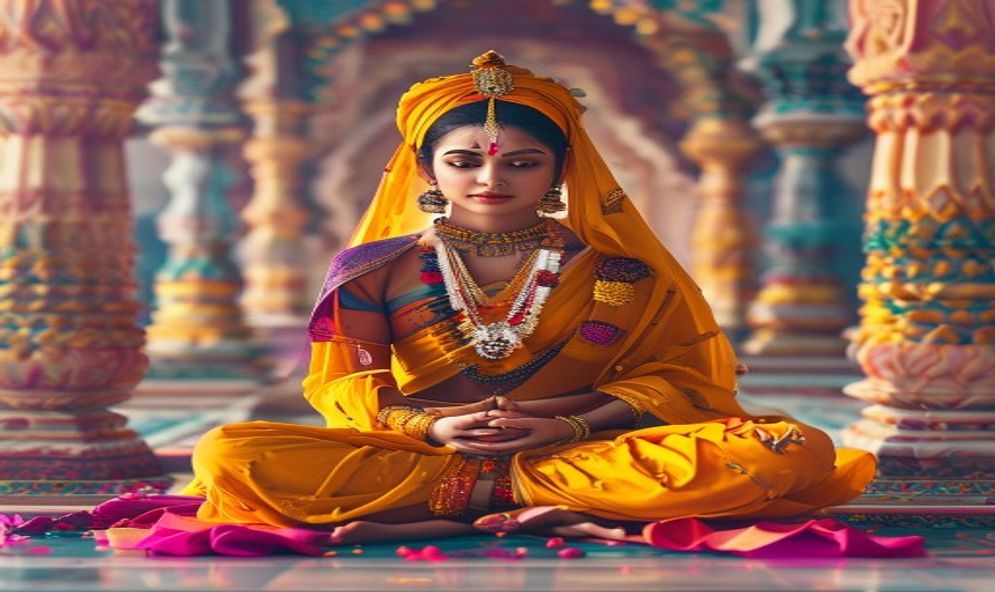
Powerful Vitthal Aarti Lyrics - Complete Guide to Chanting
The Vitthal aarti lyrics hold a special place in the hearts of millions of devotees of Lord Vitthal. The aarti of Lord Vitthal is not just a ritual - it is a devotional song that expresses love, surrender, and gratitude toward Panduranga. In this guide, you will find the complete Vitthal aarti text with word-by-word meaning, the best time to chant, and the spiritual benefits of regular aarti singing.
The Pandharpur aarti tradition has been preserved for centuries, passed down from generation to generation of Warkaris. Whether you are a lifelong devotee or new to Vitthal worship, understanding the aarti lyrics meaning will deepen your connection with Lord Vitthal. The most beloved aarti of Vitthal is \"Yuge Aththavisa\" composed by Sant Janabai.
Yuge Aththavisa - The Most Popular Vitthal Aarti Lyrics
The aarti \"Yuge Aththavisa\" is the most widely sung Vitthal aarti across Maharashtra and beyond. These powerful aarti lyrics were composed by Sant Janabai, the maidservant of Sant Namdev and a great devotee of Lord Vitthal. The aarti describes the beauty, grace, and divine play of Lord Vitthal.
Complete Yuge Aththavisa Aarti Lyrics (English Transliteration)
Verse 1:
Yuge aththavisa wecha, prakat jhala Vitthala
Pundalika vina, kona sake tyala
Vitthala, Panduranga Vitthala
Jai Jai Vitthala, Panduranga Vitthala
Verse 2:
Krishna avatarala, dvija Pundalika bhaktila
Aathawe mhanoni, prakat jhala Vitthala
Vitthala, Panduranga Vitthala
Jai Jai Vitthala, Panduranga Vitthala
Verse 3:
Aala Pandhari, gheta bhaktiche keli
Pundalika wateta, ubha rahila Vitthala
Vitthala, Panduranga Vitthala
Jai Jai Vitthala, Panduranga Vitthala
Verse 4:
Dhwaja patakane, shobhate Vitthala
Koti surya prakasha, teja Vitthala
Vitthala, Panduranga Vitthala
Jai Jai Vitthala, Panduranga Vitthala
Verse 5:
Mukuta angik dharini, karnik kundale
Hridayi shreevatsa, gale kaustubha maale
Vitthala, Panduranga Vitthala
Jai Jai Vitthala, Panduranga Vitthala
Verse 6:
Pitambara dharini, surasachi mala
Nupura charani, dharili Vitthala
Vitthala, Panduranga Vitthala
Jai Jai Vitthala, Panduranga Vitthala
Verse 7:
Janabai mhanate, Vitthala bhaktichi paaya
Dhyana karave, charani Vitthala
Vitthala, Panduranga Vitthala
Jai Jai Vitthala, Panduranga Vitthala
Meaning of Yuge Aththavisa Aarti
Understanding the meaning of Vitthal aarti enhances the chanting experience. Here is the meaning of each verse:
Verse 1 Meaning: \"Twenty-eight yugas ago, Lord Vitthal manifested Himself. Who can know Him except Pundalik?\" This verse refers to the eternal nature of Vitthal's presence. He has been standing on the brick for 28 yugas (cosmic ages), waiting patiently for His devotees.
Verse 2 Meaning: \"Remembering His incarnation as Krishna and the devotion of Pundalik, the twice-born, Lord Vitthal manifested Himself.\" This verse connects Lord Vitthal's appearance to both His Krishna avatar and His love for Pundalik.
Verse 3 Meaning: \"He came to Pandharpur, taking the form of devotion itself. He stood on the brick waiting for Pundalik.\" This describes the central event of the Vitthal legend.
Verse 4 Meaning: \"Lord Vitthal shines with flags and banners. His radiance is equal to millions of suns.\" This describes the glorious appearance of the Lord.
Verse 5 Meaning: \"He wears a crown on His head, earrings on His ears. The Shrivatsa mark is on His chest, and the Kaustubha gem adorns His neck.\" This describes the divine ornaments of Lord Vitthal.
Verse 6 Meaning: \"He wears yellow silk (Pitambara) and a garland of flowers. Anklets adorn His feet.\" This verse describes the beautiful attire of the Lord.
Verse 7 Meaning: \"Janabai says, Vitthal is the destination of devotion. Meditate on His feet.\" Sant Janabai concludes the aarti with an invitation to meditate on Lord Vitthal's lotus feet.
When to Chant the Vitthal Aarti
The best time for Vitthal aarti is during the evening (sandhya) around sunset. However, the aarti can be chanted at any time of day. Here are the recommended timings:
- Evening Aarti (Dhoop Aarti): Around 6:30 PM - This is the most common and recommended time. The evening atmosphere naturally supports devotional singing.
- Morning Aarti (Kakad Aarti): Around 4:30 AM - Chanting the aarti early morning sets a devotional tone for the entire day.
- Midday Aarti (Mahapuja): Around 12:00 PM - A midday aarti can be chanted during special occasions.
- Night Aarti (Shej Aarti): Around 9:30 PM - The final aarti before sleeping, asking for the Lord's protection through the night.
On Ashadi Ekadashi, all four aartis are performed with special grandeur at the Vitthal Rukmini Temple in Pandharpur. If you are observing the Ashadi Ekadashi vrat, make sure to chant the Vitthal aarti lyrics at least once during the day.
Benefits of Chanting Vitthal Aarti
Regular chanting of the Vitthal aarti text brings numerous benefits to devotees:
- Spiritual purification: The vibration of the aarti purifies the atmosphere and the mind of the chanter
- Emotional healing: The melodious verses calm the mind and heal emotional wounds
- Connection with tradition: Chanting the same aarti that saints have sung for centuries connects you to a powerful spiritual lineage
- Family bonding: Singing aarti together as a family strengthens relationships and creates positive memories
- Protection: Regular aarti creates a protective spiritual shield around the home
- Manifestation: Chanting with devotion helps fulfill sincere prayers and desires
Other Popular Vitthal Aartis
Besides Yuge Aththavisa, there are several other beloved Vitthal aartis that devotees chant:
Pandharicha Vitthal Aarti: This aarti describes Lord Vitthal as the deity of Pandharpur. It is simpler and easier to memorize, making it popular for daily chanting. The lyrics include: \"Pandharicha Vitthal majha, Jeevan praan aata\" (The Vitthal of Pandharpur is mine, He is my life and breath now).
Sukhakarta Dukhaharta Aarti: This aarti, also associated with Lord Vitthal, praises the Lord as the remover of sorrow and giver of happiness. It is often sung at the end of kirtans and satsangs.
Aarti Vitthal Rakhumai: This aarti is dedicated to both Lord Vitthal and Goddess Rukmini together. It is particularly popular among women devotees and is often sung during married women's gatherings.
How to Perform Vitthal Aarti at Home
Performing the Vitthal aarti at home is simple and fulfilling. Here is a step-by-step guide:
- Clean the puja area and place an idol or picture of Lord Vitthal and Goddess Rukmini
- Light a ghee lamp with two or five cotton wicks. If ghee is not available, use camphor in a small plate
- Light incense sticks and offer fresh flowers, especially tulsi leaves
- Ring a small bell (ghanta) while chanting the aarti. The bell sound helps focus the mind
- Chant or sing the Vitthal aarti lyrics with full devotion. If you do not know the tune, chanting the words with rhythm is perfectly acceptable
- At the end of each verse, all family members should bow down and say \"Jai Vitthal\"
- After the aarti, distribute the lamp's flame to all present (everyone passes their hands over the flame and then touches their eyes)
- Offer prasad (fruits, sweets, or coconut pieces) to the Lord and distribute to everyone
For more detailed puja instructions, refer to Ashadi Ekadashi Puja Vidhi Step by Step.
Internal Links
Learn more about Lord Vitthal: Powerful Vitthal Aarti Lyrics, Lord Vitthal Story and Significance, Vitthal Naam Jap Benefits, Vitthal Bhajans for Ashadi Ekadashi, 108 Names of Lord Vitthal.
May the Vitthal aarti lyrics fill your home with divine vibrations and bring the blessings of Lord Vitthal into your life. Sing with love, chant with devotion, and let the name of Vitthal be your constant companion. Vitthal Vitthal!