Panchakshari Mantra: Om Namah Shivaya Meaning and Power
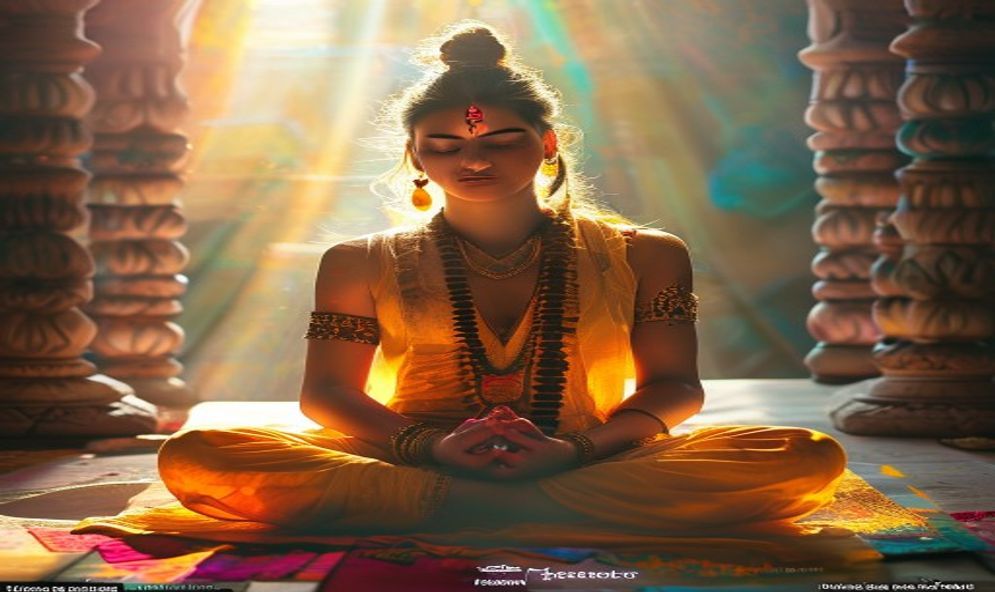
The Panchakshari Mantra - Om Namah Shivaya
The Panchakshari Mantra, "Om Namah Shivaya," is the most fundamental and powerful mantra in Shaivism. It is called Panchakshari because it has five syllables - Na-Ma-Shi-Va-Ya - prefixed by the primordial sound Om. This mantra is considered the very essence of the Vedas and Agamas. Unlike other mantras that require specific initiations or rituals, Om Namah Shivaya is open to all - regardless of caste, creed, gender, or spiritual level. It requires no special preparation, no elaborate ceremony, and no particular time. Its simplicity is deceptive - beneath its five syllables lies the entire philosophy of Saiva Siddhanta, the essence of all spiritual knowledge. The mantra has been chanted by sages, householders, and seekers for thousands of years. Its power has been attested to in the Vedas, Upanishads, Puranas, and Tantras. When you chant Om Namah Shivaya, you are not just uttering sounds - you are invoking the very energy of Lord Shiva, the supreme consciousness that pervades all existence.
The Meaning of Each Syllable
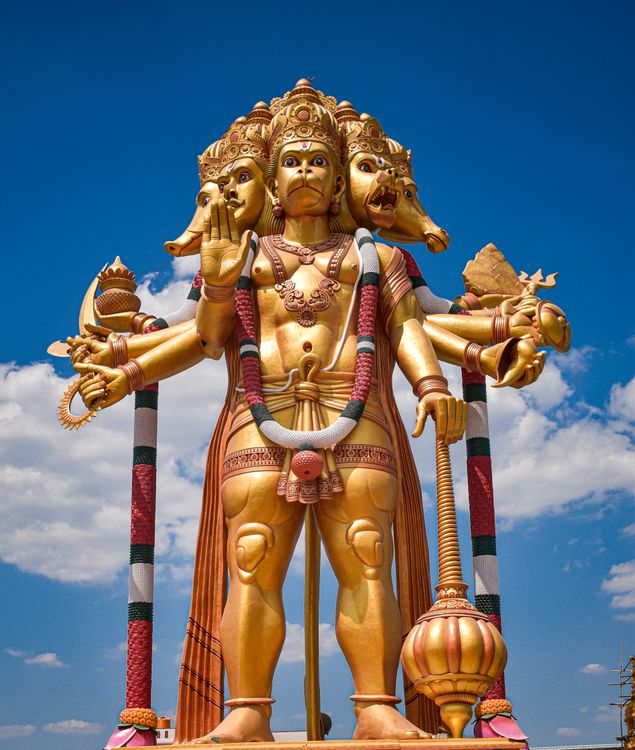
The five syllables of the Panchakshari Mantra are deeply symbolic. Each syllable represents one of the five elements (Pancha Bhoota) that constitute the physical universe. When you chant these syllables, you harmonize the five elements within your own body and attune yourself to the cosmic elements.
Na (Earth - Prithvi): The first syllable Na represents the earth element. Earth symbolizes stability, patience, and endurance. When you chant Na, you connect with the grounding energy of the earth. This syllable helps you feel stable and secure. It activates the root chakra (Muladhara), which is associated with survival, security, and physical well-being. Chanting Na helps overcome fear and creates a foundation for spiritual growth.
Ma (Water - Apas): The second syllable Ma represents the water element. Water symbolizes flow, flexibility, and purification. This syllable helps cleanse the emotional body and releases blocked emotions. It activates the sacral chakra (Swadhisthana), which governs creativity, relationships, and emotional balance. Chanting Ma brings emotional healing and helps you go with the flow of life.
Shi (Fire - Agni): The third syllable Shi represents the fire element. Fire symbolizes transformation, energy, and willpower. This syllable activates the energy within you, burning away impurities and negative patterns. It activates the solar plexus chakra (Manipura), which governs personal power, self-esteem, and digestion. Chanting Shi builds inner strength and transforms weakness into power.
Va (Air - Vayu): The fourth syllable Va represents the air element. Air symbolizes movement, freedom, and intelligence. This syllable opens the heart and expands consciousness. It activates the heart chakra (Anahata), which is the seat of love, compassion, and devotion. Chanting Va opens you to unconditional love and higher wisdom.
Ya (Space - Akasha): The fifth syllable Ya represents the space or ether element. Space symbolizes expansion, connection, and transcendence. This syllable connects you with the infinite, the formless aspect of Shiva. It activates the throat chakra (Vishuddhi) and third eye chakra (Ajna), which govern communication, intuition, and spiritual vision. Chanting Ya opens the door to higher states of consciousness.
The Five Faces of Shiva
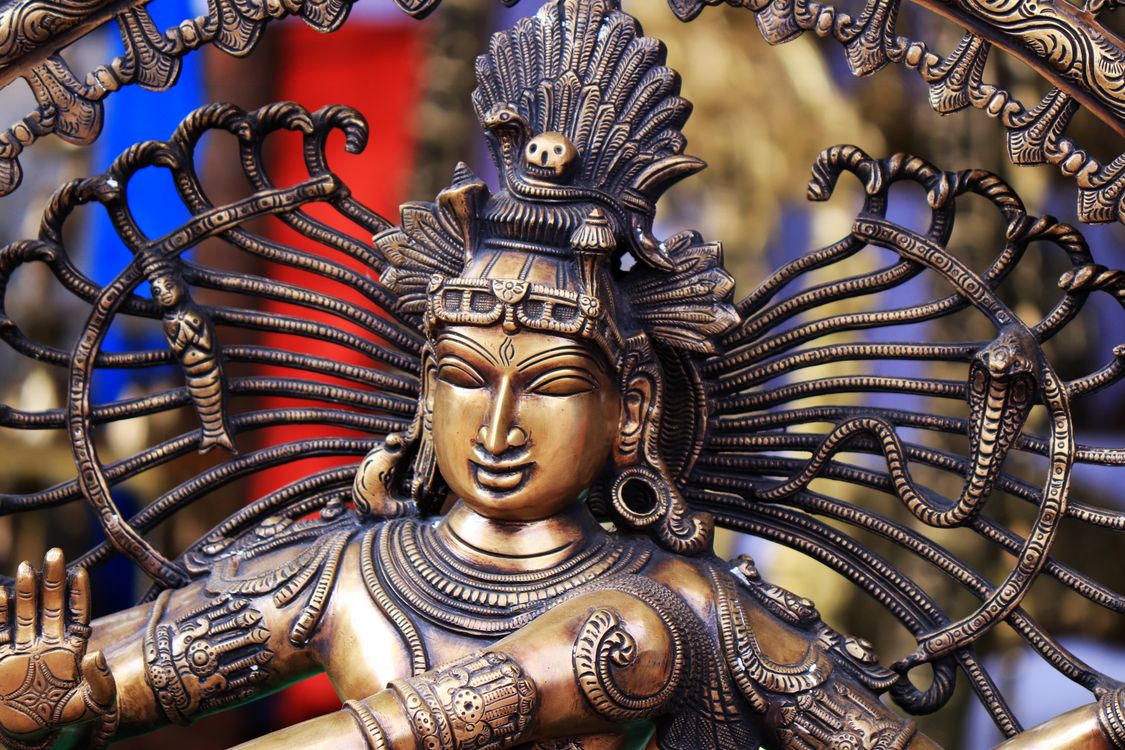
The five syllables also represent the five faces (Pancha Brahman) of Shiva. Each face represents a specific aspect of the divine. Sadyojata is the face of creation, associated with the west. Vamadeva is the face of preservation, associated with the north. Aghora is the face of dissolution, associated with the south. Tatpurusha is the face of concealing grace, associated with the east. Ishana is the face of revealing grace, associated with the upward direction. When you chant Om Namah Shivaya, you invoke all five faces of Shiva and receive their combined blessings. The mantra thus covers all aspects of the divine - creation, preservation, dissolution, concealment, and revelation. It is a complete mantra that needs nothing else to be added. This is why the sages have said that the Panchakshari Mantra is sufficient for liberation. Nothing else is needed.
The Deeper Meaning of Om
The prefix "Om" is not merely a sound - it is the primordial vibration from which the entire universe emerged. The Mandukya Upanishad explains that Om consists of three sounds - A, U, and M. A represents the waking state, U represents the dream state, and M represents the deep sleep state. The silence after Om represents the fourth state (Turiya), which is pure consciousness. By prefacing Namah Shivaya with Om, the mantra takes the practitioner from the gross to the subtle, from the manifest to the unmanifest. Om sets the vibration, and the five syllables channel that vibration through the elements. Together, Om Namah Shivaya becomes a powerful tool for spiritual transformation. The complete meaning of the mantra can be understood in multiple ways. "Om" is the cosmic sound. "Namah" means bow or salutation. "Shivaya" means to Shiva, the auspicious one. So the literal meaning is "I bow to the auspicious one." But the deeper meaning is even more profound. "Namah" also implies "not mine" - surrendering the ego. "Shivaya" is the supreme reality. So the mantra becomes a declaration of surrender: "I am not separate from Shiva. My individual self dissolves into the supreme consciousness."
How to Chant with a Mala
Using a rudraksha mala for chanting Om Namah Shivaya amplifies the power of the practice. A traditional mala has 108 beads, plus one meru bead (guru bead). Hold the mala in your right hand, draped over your middle and index fingers. Use your thumb to move the beads. Start at the guru bead and move one bead per chant toward you. Never cross the guru bead - when you reach it, turn the mala around and go back. Sit in a comfortable position with your spine straight. Close your eyes and take a few deep breaths. Visualize a radiant blue light at your heart center. As you chant each round, imagine this light growing brighter, expanding to fill your entire body, then your room, your building, your city, and finally the entire universe. This visualization amplifies the mantra power exponentially. Beginners should start with one mala (108 chants) and gradually increase to 5 malas or more. The ideal time for practice is Brahma Muhurta (4 to 6 AM), but any time you can consistently practice is beneficial. Even chanting for five minutes daily produces noticeable results.
Benefits of Chanting Om Namah Shivaya
The benefits of regular chanting of Om Namah Shivaya are numerous and well-documented in spiritual texts and by practitioners. First, it purifies the mind and body. The sonic vibration of the mantra cleanses the subtle energy channels (nadis) and removes blockages. Second, it reduces stress and anxiety. Scientific studies have shown that mantra chanting reduces cortisol levels and activates the parasympathetic nervous system, inducing a state of deep relaxation. Third, it improves concentration and memory. The rhythm of the mantra stabilizes the mind and enhances focus. Many students report improved academic performance after incorporating this practice. Fourth, it protects from negative energies. The vibration of Om Namah Shivaya creates a protective field around the practitioner. Fifth, it awakens spiritual potential. Regular practice activates the kundalini energy and leads to higher states of consciousness. Sixth, it helps overcome fear - especially the fear of death. The mantra reminds us that our true nature is the immortal Shiva consciousness. Seventh, it brings peace to family relationships. The harmonizing effect of the five elements balances the energy in relationships. Eighth, it helps in overcoming addictions and bad habits. The mantra strengthens the willpower and weakens the grip of negative patterns. Ninth, it improves overall health. The balancing of the five elements has direct physiological benefits. Tenth, and most importantly, it leads to self-realization - the recognition that you are not the body or the mind but the eternal Shiva consciousness.
The Timeless Power of the Panchakshari
What makes Om Namah Shivaya unique among mantras is its timelessness. It was not composed by any human being - it is considered an eternal syllable that manifests naturally in the consciousness of realized beings. The Vedas state that Shiva himself revealed this mantra for the benefit of humanity. Unlike mantras that lose their power over time or with improper pronunciation, Om Namah Shivaya remains potent regardless of how it is chanted. Even a child who babbles this mantra receives its benefits. Even a person who chants it without understanding its meaning receives its protection. This is because the power of the Panchakshari is not in the intellectual understanding but in the sonic vibration itself. The sound of Namah Shivaya carries the energy of Shiva in its very structure. When you chant it, you are not requesting Shiva to come to you - you are discovering that Shiva is already within you. The mantra removes the veil of ignorance that makes you feel separate from the divine. It reveals your true nature as Shiva. This is why the sages have declared: "There is no mantra higher than Om Namah Shivaya. There is no deity greater than Shiva. There is no practice easier than chanting the Panchakshari. And there is no goal greater than realizing your identity with Shiva." Start your practice today. Chant with faith, with devotion, with consistency. Let the five syllables transform your life. Om Namah Shivaya! Har Har Mahadev!