Navratri and Durga Puja: Nine Nights of Power
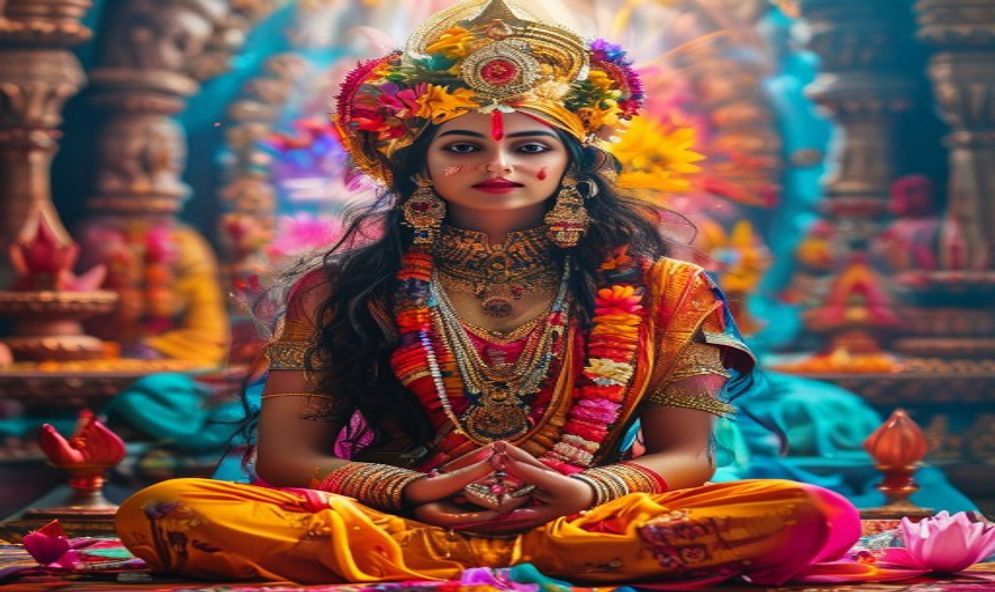
Navratri and Durga Puja - Nauratri, The Nine Nights of Maa Durga
Navratri, meaning nine nights in Sanskrit, is one of the most significant festivals in Sanatan Dharma. It is a celebration of the divine feminine power, known as Shakti, in the form of Maa Durga. During these nine nights, devotees worship the goddess in her various manifestations, seeking her blessings for strength, prosperity, and spiritual growth. The festival is observed four times a year, but Sharada Navratri (September-October) is the most widely celebrated. In West Bengal and the eastern states, this same period is celebrated as Durga Puja, the grandest festival of the region. The nine nights represent the battle between the goddess and the demon Mahishasura, symbolizing the eternal struggle between good and evil.
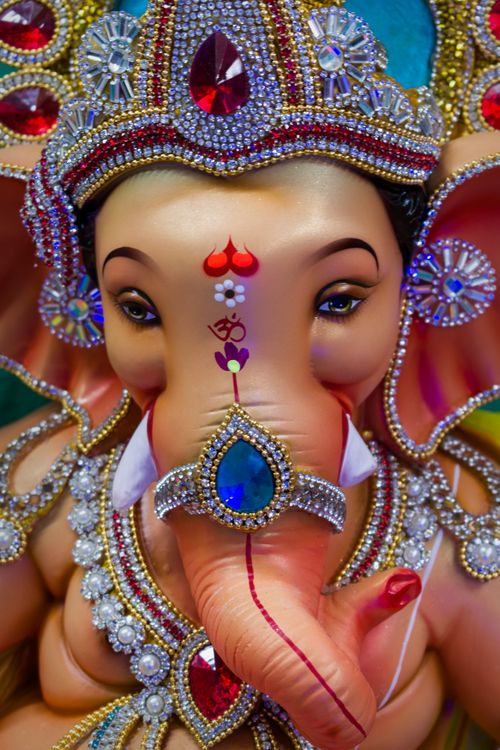
The Nine Forms of Durga - Navadurga
Each night of Navratri is dedicated to a specific form of Maa Durga, collectively known as Navadurga. The first form is Shailputri, the daughter of the mountains, who is worshiped on the first day. She is the embodiment of the earth and represents the root chakra. The second form is Brahmacharini, the one who performs severe penance, representing the pursuit of knowledge and truth. The third form is Chandraghanta, who bears the crescent moon on her forehead and symbolizes bravery and courage. The fourth form is Kushmanda, the creator of the universe, who is believed to have created the cosmos with her divine smile. The fifth form is Skandamata, the mother of Kartikeya (Skanda), representing motherly love and protection.
The sixth form is Katyayani, born to the sage Katyayana, who is the fierce warrior form of Durga. The seventh form is Kalaratri, the dark and terrifying form of the goddess who destroys all evil forces. She is the most fearsome aspect of Durga, with black skin, wild hair, and a fierce expression. The eighth form is Mahagauri, the fair and radiant goddess who represents purity and serenity. The ninth and final form is Siddhidatri, the giver of supernatural powers and spiritual attainment. Each day of Navratti, devotees meditate on these different forms, gradually progressing from the physical to the spiritual, from the earthly to the divine. The journey through the nine forms is a journey of spiritual evolution.
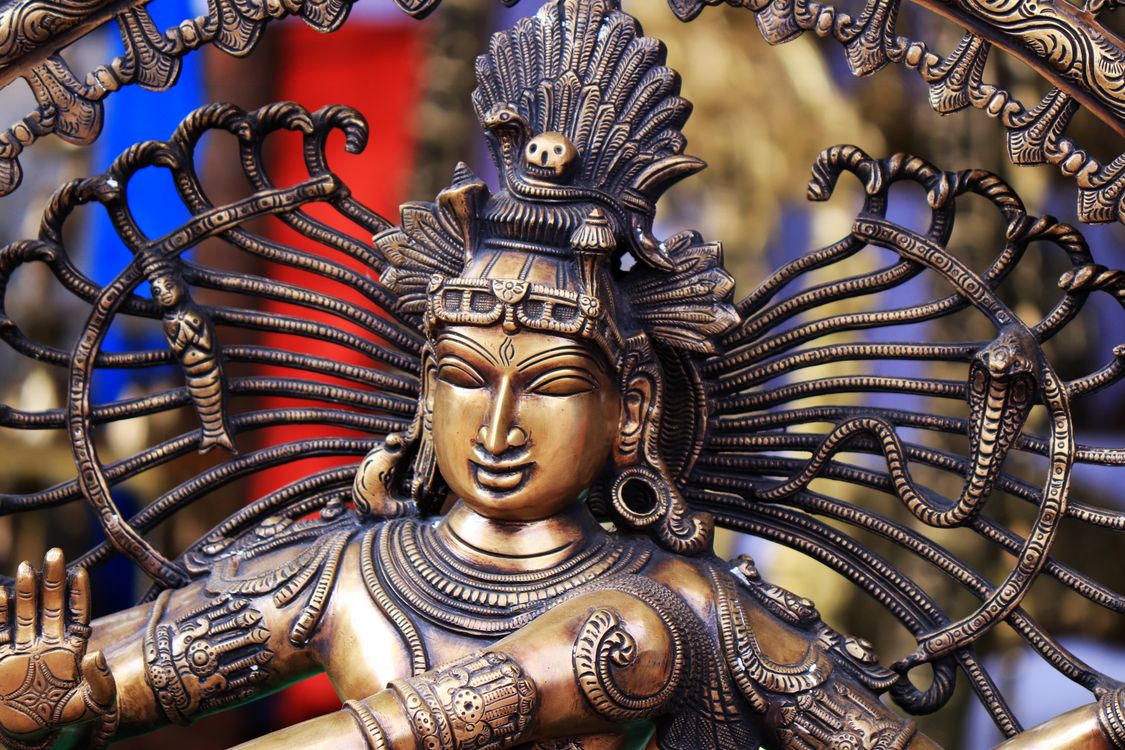
The Three Aspects - Kali, Lakshmi and Saraswati
The nine nights of Navratri are also divided into three sets of three nights, each dedicated to a specific aspect of the divine mother. The first three nights are dedicated to Goddess Kali (Durga in her fierce form), representing the destruction of negative qualities and the purification of the soul. During these nights, devotees focus on removing their inner demons - anger, greed, lust, jealousy, and ego. The second three nights are dedicated to Goddess Lakshmi, the goddess of wealth and prosperity. During these nights, devotees seek material and spiritual abundance, inviting prosperity into their lives. The final three nights are dedicated to Goddess Saraswati, the goddess of knowledge, wisdom, and the arts. These nights are about gaining spiritual knowledge and attaining enlightenment.
This three-fold division is deeply meaningful. It suggests that spiritual progress requires first purifying oneself (Kali), then inviting prosperity (Lakshmi), and finally attaining wisdom (Saraswati). Without purification, wealth leads to corruption. Without prosperity, the pursuit of knowledge becomes difficult. Without knowledge, neither purification nor prosperity has lasting value. The three goddesses together represent the complete spiritual journey of the human soul. The tenth day, known as Vijayadashami or Dussehra, celebrates the victory of Durga over Mahishasura and marks the conclusion of the festival.
Durga Puja in Bengal - Pandals, Dhunuchi Naach and Culture
Durga Puja in West Bengal is not just a religious festival - it is the biggest cultural event of the year. The entire state comes alive with elaborate pandals (temporary temples) housing artistic idols of Durga. These pandals are not just religious structures but works of art, with each year theme becoming more creative and elaborate. Artisans spend months crafting the idols from clay, which are then painted and decorated. The sound of dhak (traditional drums) fills the air as devotees dance with joyful abandon. One of the most distinctive traditions is the Dhunuchi Naach, where devotees dance with earthen pots containing burning coconut husks and camphor, creating a mesmerizing spectacle of smoke and fire.
Durga Puja in Bengal typically spans five days - Shashti, Saptami, Ashtami, Navami, and Dashami. On Ashtami, the most important day, the Sandhi Puja is performed at the junction of Ashtami and Navami, marking the moment when Durga killed Mahishasura. The anjali (prayer offering) on these days draws huge crowds. On Dashami, the idols are carried in grand processions to the rivers or ponds for immersion (visarjan), accompanied by chanting, drumming, and dancing. The immersion ceremony is both joyful and emotional, as devotees bid farewell to the goddess with the promise that she will return the next year. The entire celebration showcases the rich cultural heritage of Bengal, with music, dance, food, and art merging seamlessly with spirituality.
Garba and Dandiya in Gujarat
In Gujarat, Navratri is celebrated with the vibrant folk dances of Garba and Dandiya Raas. Garba is a circular dance performed around a central lamp or an idol of the goddess. The word Garba comes from the Sanskrit word Garbha, meaning womb, and the dance symbolizes the circle of life. Participants wear colorful traditional attire - women in chaniya cholis (embroidered skirt-blouses) and men in kediyu-kafni. The dance movements are rhythmic and graceful, with clapping and spinning to the beat of folk songs. Dandiya Raas is performed with sticks called dandiyas, which represent the swords of the goddess. The dancers strike each others sticks in a coordinated rhythm, creating a lively and energetic atmosphere.
What makes Gujarati Navratri unique is its community aspect. Entire neighborhoods participate in nightly Garba events that last until the early morning hours. The dances are not just entertainment but a form of worship, with participants offering their movements and energy to the goddess. The traditional songs sung during Garba are devotional, praising Amba Mata and telling stories of her exploits. In recent years, Navratri Garba events have become major social gatherings, attracting participants from all over the world. The cities of Ahmedabad, Vadodara, and Surat host massive Garba events with thousands of participants dancing in perfect synchronization.
Ramleela and Dussehra
In North India, Navratri coincides with Ramleela, the dramatic reenactment of the Ramayana epic. Temporary stages are set up in neighborhoods, and local actors perform scenes from Ram life. The performances continue for nine nights, culminating on Dussehra day with the burning of giant effigies of Ravana, his brother Kumbhakarna, and his son Meghnad. This burning symbolizes the victory of good over evil and the destruction of negative qualities represented by Ravana ten heads - lust, anger, greed, attachment, pride, jealousy, selfishness, injustice, cruelty, and ego. The Ramleela tradition has been recognized by UNESCO as an Intangible Cultural Heritage of Humanity.
Dussehra, also called Vijayadashami, is celebrated on the tenth day after Navratri. In addition to the Ramleela connection, this day also marks the end of Durga Puja. In Karnataka, the Mysore Dasara is celebrated with great pomp, featuring a grand procession of the goddess Chamundeshwari on a decorated elephant. In Himachal Pradesh, the Kullu Dussehra brings together hundreds of local deities for a week-long celebration. Across India, Dussehra is a day of new beginnings - students start their education, business people start new ventures, and families perform the Shami Puja, exchanging Shami leaves as symbols of gold.
Significance of Each Night
Each night of Navratri has a specific color associated with it, and devotees wear clothes of that color to honor the goddess. Day 1 (Shailputri) - red, representing action. Day 2 (Brahmacharini) - royal blue, representing calm energy. Day 3 (Chandraghanta) - yellow, representing brightness. Day 4 (Kushmanda) - green, representing growth. Day 5 (Skandamata) - grey, representing motherly protection. Day 6 (Katyayani) - orange, representing divine energy. Day 7 (Kalaratri) - white, representing peace. Day 8 (Mahagauri) - pink, representing hope. Day 9 (Siddhidatri) - sky blue, representing spiritual attainment. These colors guide the devotional practices and create a visual journey through the festival.
Navratri is a celebration of the divine feminine in all her glory - fierce and gentle, creative and destructive, nurturing and liberating. The nine nights of power remind us that shakti (divine energy) exists within every being, waiting to be awakened. Whether you participate in the grandeur of Durga Puja, the devotion of Navratri fasting, the joy of Garba, or the drama of Ramleela, the essence is the same - the celebration of the victory of light over darkness. May Maa Durga bless you with strength, prosperity, and wisdom. Jai Mata Di!