Maha Shivaratri: The Great Night of Shiva
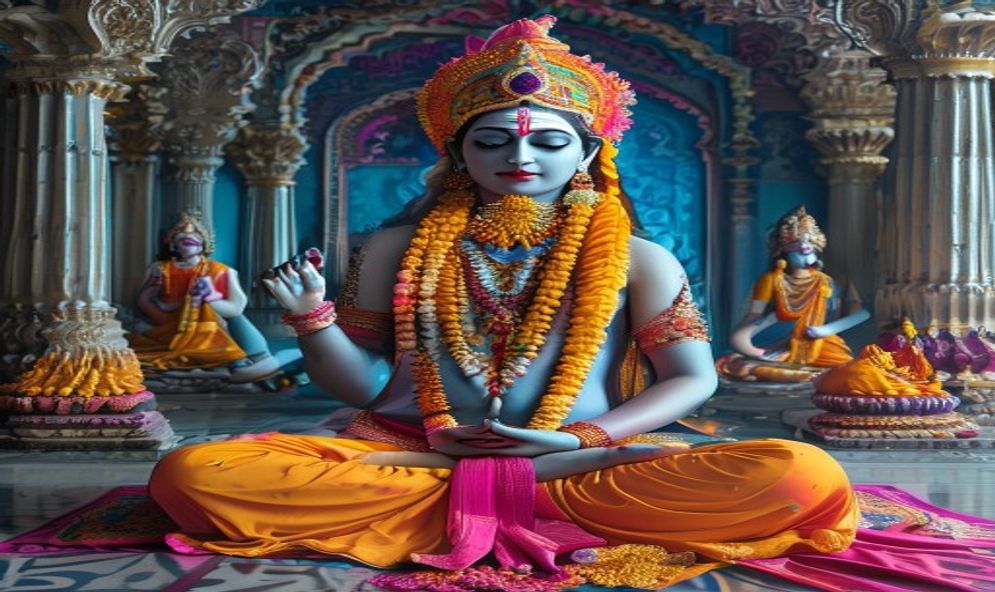
Maha Shivaratri - The Great Night of Lord Shiva
Maha Shivaratri, meaning "The Great Night of Shiva," is one of the most significant festivals in Sanatan Dharma. It falls on the 14th day of the dark fortnight in the month of Phalguna (February-March). Unlike other festivals that are celebrated during the day, Maha Shivaratri is observed at night, with devotees staying awake through the night in meditation, chanting, and worship of Lord Shiva. This night is considered extremely powerful for spiritual practices. According to the Shiva Purana, the cosmic energy on this night is multiplied manifold, making it the ideal time for sadhana. The festival is observed with great devotion across India and by Hindus worldwide. From the grand celebrations in the Jyotirlinga temples of Varanasi, Somnath, and Ujjain to the humble village shrines, the night resonates with the chant of "Om Namah Shivaya" and "Har Har Mahadev."
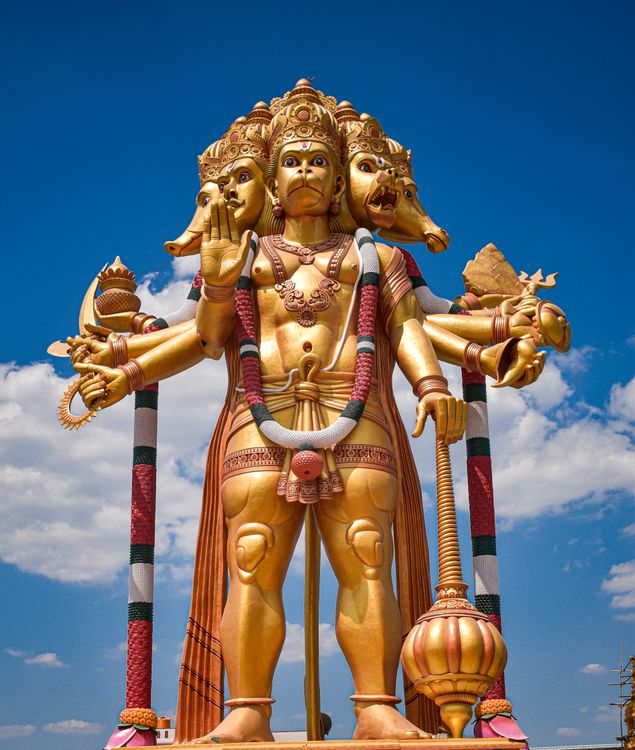
The Mythological Significance of Maha Shivaratri
There are several profound stories associated with Maha Shivaratri, each highlighting a different aspect of Lord Shiva divinity. According to the most popular legend, on this night, Lord Shiva performed the Tandava Nritya - the cosmic dance of creation, preservation, and destruction. This dance represents the eternal cycle of the universe. The rhythmic movement of his matted locks, the sound of his damru, and the fire of his third eye symbolize the cosmic processes that govern all existence.
Shiva and Parvati Marriage: Another significant story connects Maha Shivaratri to the marriage of Shiva and Parvati. According to the Shiva Purana, after intense penance by Parvati to win Shiva love, the cosmic couple was united on this auspicious night. The marriage of Shiva and Parvati represents the union of consciousness (Shiva) and energy (Shakti). This union is the source of all creation. Devotees observe Maha Shivaratri as a celebration of this divine marriage, praying for harmonious relationships and marital bliss. Married couples especially observe this festival with great devotion, seeking blessings for a happy married life.
The Samudra Manthan and Neelkanth: A third story relates to the churning of the cosmic ocean (Samudra Manthan). When the devas and asuras churned the ocean for the nectar of immortality, one of the first things to emerge was a deadly poison called Halahal. The poison was so potent that it threatened to destroy all of creation. The gods appealed to Shiva for help. Out of compassion for all beings, Shiva consumed the poison. His consort Parvati, in her concern, held his throat to prevent the poison from spreading downward. The poison remained in his throat, turning it blue, earning him the name Neelkanth (blue-throated). Maha Shivaratri is observed in gratitude for this act of cosmic sacrifice. The night-long vigil commemorates the night when Shiva saved the universe from destruction.
The Manifestation of the Linga: A fourth story describes a dispute between Brahma and Vishnu about their supremacy. To settle their pride, Shiva appeared as an infinite pillar of light - the Jyotirlinga. Brahma took the form of a swan and flew upward to find its top, while Vishnu took the form of a boar and dug downward to find its base. Neither could find the end. This manifestation happened on the night of Maha Shivaratri. The infinite pillar represents the formless, infinite nature of Shiva, beyond the grasp of the mind and senses.
The Four Prahars of Maha Shivaratri
The night of Maha Shivaratri is divided into four prahars (three-hour segments), and each prahar has specific rituals and significance. The worship during all four prahars is considered essential for complete spiritual benefit.
First Prahar (6 PM to 9 PM): The first segment focuses on purification and invocation. Devotees take a bath, wear clean clothes, and prepare for the night vigil. A kalash is established, and the shivling is given a bath with water, milk, yogurt, ghee, honey, and sugar. This mixture, called panchamrit, purifies the atmosphere. Belpatra, datura flowers, white flowers, and rudraksha beads are offered. The main mantra for this prahar is "Om Namah Shivaya."
Second Prahar (9 PM to 12 AM): This segment represents the middle of the night when spiritual energy is at its peak. The abhishek is performed with sugarcane juice or bilva leaves. The focus shifts to meditation on the form of Shiva. Devotees chant the Mahamrityunjaya Mantra during this prahar. This is the best time for deep meditation and connecting with the inner self.
Third Prahar (12 AM to 3 AM): At midnight, the spiritual energy is most intense. This prahar is dedicated to the fierce forms of Shiva - Rudra and Bhairava. The abhishek is performed with hot milk or ghee. Devotees who can stay awake through this period gain maximum spiritual benefit. The Rudra Gayatri mantra is chanted. Many important temples perform special abhishekams at this time.
Fourth Prahar (3 AM to 6 AM): The final prahar is the Brahma Muhurta, the most auspicious time for any spiritual practice. This segment culminates with the final abhishek using water or Ganga jal. Offerings of white sandalwood paste, white flowers, and fruits are made. The night concludes with aarti and the distribution of prasad. Devotees break their fast after the final ritual.
What to Offer on Maha Shivaratri
Each offering to Shiva has specific significance. Belpatra (bilva leaves) are the most important offering - they cool the effect of poison still present in Shiva throat. The trifoliate leaf represents the three eyes of Shiva or the three gunas. Datura flowers and fruits, despite being poisonous, are offered because Shiva is beyond the duality of poison and nectar. Bhaang (cannabis) is traditionally offered, as it represents the intoxicating nature of divine consciousness. White flowers like jasmine are preferred over colored ones, as Shiva is associated with purity. Rice, fruits, and sweets are offered as naivedya. The leaves of Akanda, Arka, and other sacred plants are also offered. Lighting a lamp with ghee throughout the night is considered especially meritorious. The lamp represents the light of consciousness that Shiva bestows upon his devotees.
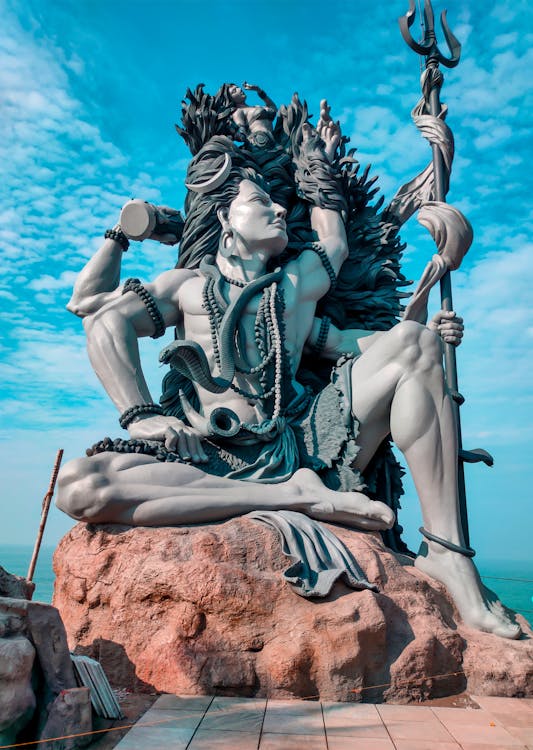
Regional Celebrations Across India
Maha Shivaratri is celebrated with unique traditions across different regions of India. In Varanasi (Kashi), the city of Shiva, the Kashi Vishwanath temple sees an endless stream of devotees throughout the night. The entire city resonates with Shiva bhajans and mantras. In Ujjain, the Mahakaleshwar temple holds a grand procession and special abhishekams. The Bhasma Aarti at dawn is a spectacular sight. In Srisailam, Andhra Pradesh, the Mallikarjuna Jyotirlinga temple hosts a massive fair. The festival continues for ten days with cultural programs and religious discourses. In Karnataka, the festival is known as "Bhairavanade" or "Shivaratri" and is celebrated with folk dances and music. The Kedareshwara temple in Kerala performs elaborate rituals. In the Himalayan regions of Uttarakhand, the temples at Kedarnath, Badrinath, and Gangotri hold special ceremonies, though they may still be snow-covered. The Rudranath and Kalpeshwar temples, which are open year-round, see large crowds. In Nepal, Maha Shivaratri is a national festival. The Pashupatinath temple in Kathmandu becomes the focal point of celebrations, attracting thousands of sadhus, yogis, and pilgrims from across the subcontinent.
The Jagran - Night Vigil
Staying awake (jagran) throughout Maha Shivaratri night is considered highly meritorious. The Puranas state that every moment of wakefulness on this night burns the accumulated sins of millions of lifetimes. The night is spent in singing bhajans, chanting mantras, reading Shiva stories, and meditating. Many temples organize all-night kirtan sessions. For those who cannot visit a temple, home celebrations with family are equally beneficial. The family gathers around the home altar, takes turns performing abhishek, recites the Shiva Chalisa or Rudrashtadhyayi, and keeps the lamp burning through the night. Children are told stories of Shiva - the story of Neelkanth, the story of Markandeya, and the story of Bhakta Kannappa. These stories not only keep them awake but also plant the seeds of devotion in young hearts. The jagran concludes at sunrise with a final aarti. The devotees then distribute prasad to family and neighbors. The spiritual energy generated through the night radiates peace and positivity throughout the home and community. Maha Shivaratri is not merely a festival - it is a spiritual opportunity. The cosmic alignment on this night creates a gateway to higher consciousness. By participating with faith and devotion, you can experience the transformative grace of Bholenath in your life. Har Har Mahadev!