Lord Krishna: The Complete Avatar of Vishnu
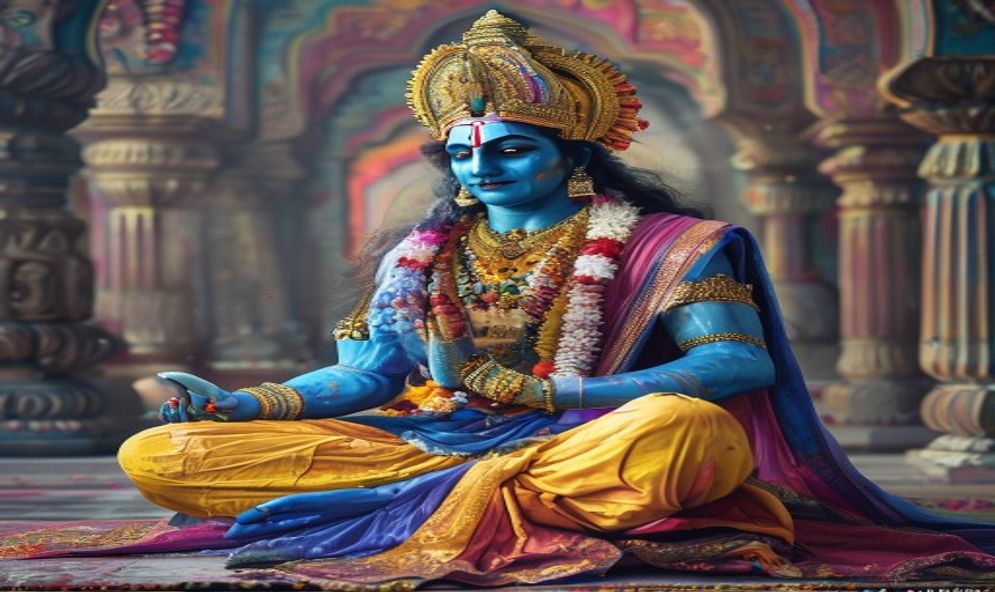
Lord Krishna - Purna Avatar of Bhagwan Vishnu
Lord Krishna, also known as Kanha, Gopala, and Madhava, is considered the purna avatar or the complete incarnation of Lord Vishnu. No other avatar in Hindu tradition displays such a wide range of divine qualities - from the mischievous child stealing butter in Gokul to the profound philosopher delivering the Bhagavad Gita on the battlefield of Kurukshetra. Krishna life encompasses every human emotion and experience - love, joy, sorrow, friendship, duty, and spiritual wisdom. He is at once the playful makhan chor (butter thief), the enchanting flute player of Vrindavan, the wise advisor to the Pandavas, and the cosmic lord who reveals his Vishwarupa (universal form) to Arjuna.
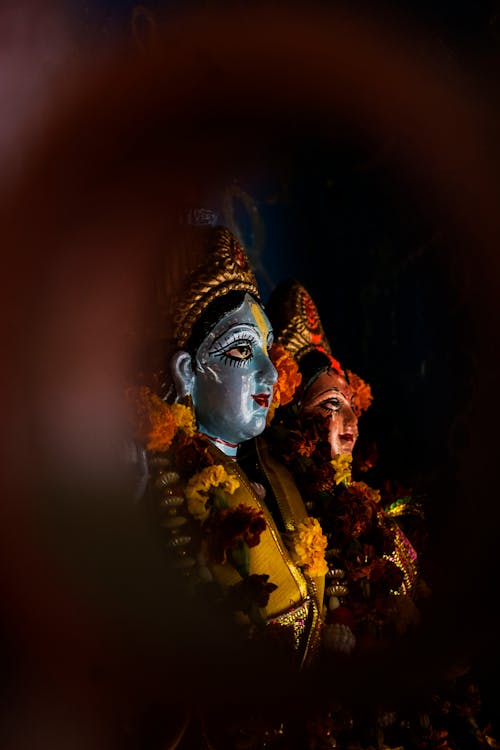
The Birth of Krishna - Devaki and Vasudeva
Krishna birth is a story of divine intervention and miraculous events. He was born to Devaki and Vasudeva in the prison of Mathura, where the tyrannical King Kamsa had imprisoned them. Kamsa had been warned by a divine prophecy that Devaki eighth son would kill him. In his fear, Kamsa killed Devaki first six children. The seventh child, Balarama, was miraculously transferred to the womb of Rohini. When Krishna was born on the eighth day of the dark fortnight of Bhadrapada month (Janmashtami), the prison guards fell asleep, the doors opened miraculously, and Vasudeva carried the infant Krishna across the Yamuna river to the safety of Gokul. The river parted to make way for him, and a divine serpent shielded the baby from the rain. Krishna was raised by Nanda Baba and Yashoda Maiya in the pastoral setting of Gokul and Vrindavan, growing up as a cowherd among the gopis and gopas.
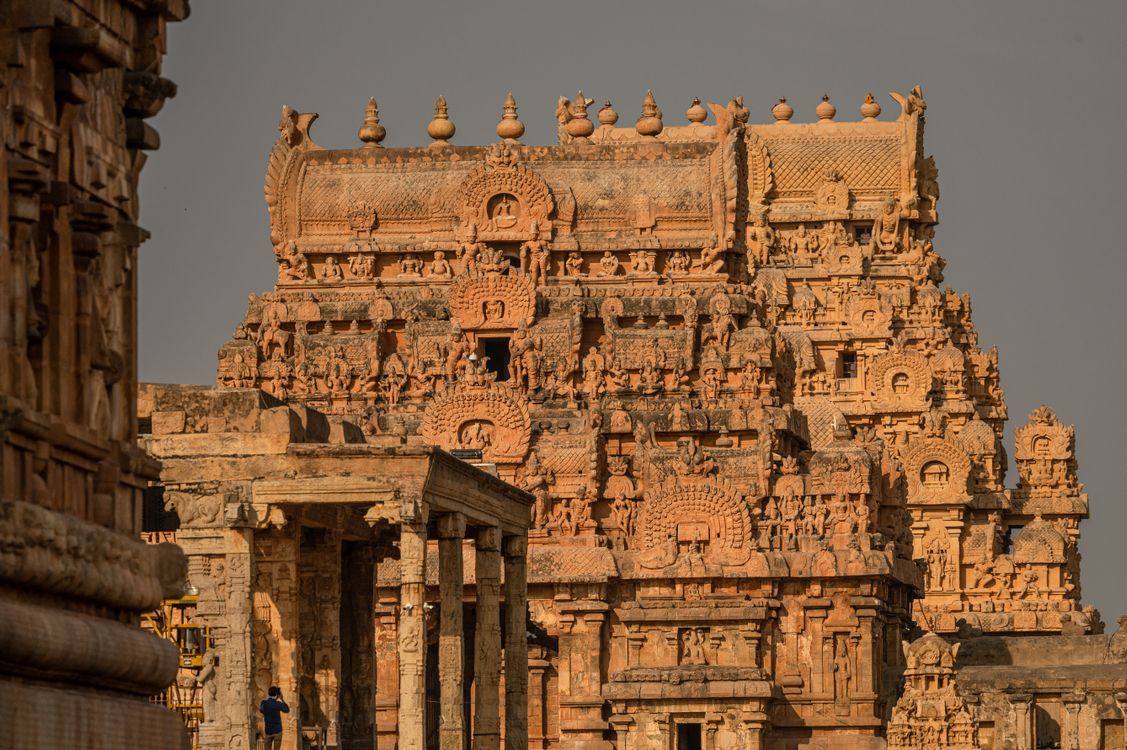
Childhood in Gokul - Makhan Chor Leelas
Krishna childhood in Gokul is filled with charming stories of his playful nature. He was notorious for stealing butter from the homes of the gopis, earning him the name Makhan Chor. He would gather his friends, form human pyramids, and reach the hanging pots of butter. When caught by Mother Yashoda, he would give her innocent excuses with his butter-smeared face that melted her anger. These stories are not merely cute tales - they carry deep spiritual meaning. The butter represents the essence of devotion, and Krishna stealing it symbolizes his desire for the love of his devotees. The gopis chasing him for stealing butter represents the soul pursuit of the divine.
Other childhood leelas include the killing of the demoness Putana, who tried to poison him with her breast milk but was instead killed by the infant Krishna. He killed the demon Trinavarta, who came as a whirlwind, and subdued the serpent Kaliya in the Yamuna river. He lifted the Govardhan hill on his little finger to protect the people of Vrindavan from Indra torrential rains. Each of these childhood exploits reveals a different aspect of Krishna divine nature - his protection of devotees, his power over nature, and his playful yet purposeful existence. The land of Brij, encompassing Mathura, Vrindavan, Gokul, and Govardhan, is forever blessed by these divine childhood pastimes.
Raas Leela - The Divine Dance of Love
The Raas Leela of Krishna with the gopis of Vrindavan is one of the most beautiful and profound episodes in Hindu spirituality. On full moon nights, Krishna would play his divine flute, and the gopis, unable to resist the call, would leave everything to dance with him in the forests of Vrindavan. The Raas Leela is not a story of physical love but of the soul longing for the divine. Each gopi represents a human soul, and Krishna represents the supreme reality. The circle dance symbolizes the cycle of creation, and Krishna presence in the center of each gopi represents the divine dwelling in every heart. This mystical dance teaches us that the relationship between the soul and God is ultimately one of love and longing.
The Bhagavad Gita - Krishna Supreme Teaching
Krishna most profound contribution to world spirituality is the Bhagavad Gita, delivered on the battlefield of Kurukshetra. When Arjuna was overcome with grief and confusion about fighting his own relatives, Krishna counseled him with the eternal wisdom of the Gita. In 700 verses, Krishna explained the nature of the soul, the path of devotion, the importance of performing one duty without attachment, and the various paths to spiritual realization. He revealed his cosmic Vishwarupa to Arjuna, showing him that all of creation - past, present, and future - exists within the divine body. The Gita is not just a religious text but a practical guide for living a meaningful life. It teaches us to act with detachment, to devote ourselves to a higher purpose, and to see the divine in all beings.
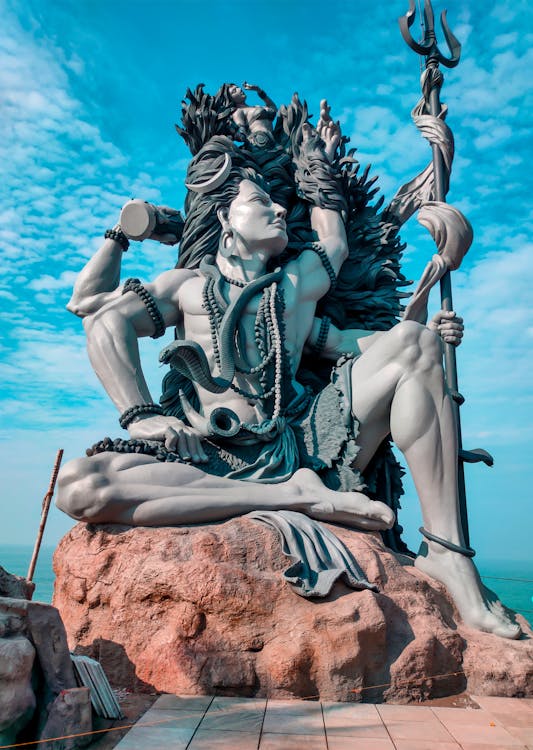
Mathura, Vrindavan and Dwarka
Krishna life is intimately connected with three sacred cities. Mathura is his birthplace, where he eventually returned as a young man to kill Kamsa and restore righteousness. Vrindavan is the place of his childhood and youth, where he performed his most beloved leelas. Dwarka, in Gujarat, is the kingdom he established after leaving Vrindavan. He built a magnificent city on the coast, which according to legend was made of gold. Recent underwater archaeological explorations off the coast of Dwarka have revealed the remains of an ancient city, lending credibility to the ancient descriptions. Dwarka served as Krishna capital during the Mahabharata period, and it was from here that he guided the Pandavas and played his role in the great war.
Why Krishna is Called Purna Avatar
Krishna is called purna avatar or complete incarnation because he displayed the full spectrum of divine qualities that no other avatar exhibited. While Rama showed us how to live with perfect adherence to dharma, Krishna showed us how to live with grace in a complex world filled with moral dilemmas. He was simultaneously a divine child, a romantic lover, a wise philosopher, a strategic diplomat, a powerful warrior, and a compassionate friend. He could joke with his friends, tease the gopis, reveal cosmic truths to Arjuna, and demonstrate his universal form - all within the span of a single lifetime. This complete expression of divinity in human form is why millions of devotees feel a special connection with Kanha, the dark-skinned lord who makes the divine accessible and lovable.
Lord Krishna life is a complete guide to living. From his childhood in Gokul to his final departure from Dwarka, every episode contains a lesson. He teaches us to find joy in simple things, to love unconditionally, to perform our duties without attachment, to seek wisdom, and to recognize the divine in every being. Whether you are drawn to the playful Kanha of Vrindavan or the wise Krishna of the Gita, his presence transforms lives. Radhe Radhe!