Kitchen Fire Safety: Preventing Cooking Fires in Indian Kitchens
Kitchen Fire Safety: Preventing Cooking Fires in Indian Kitchens
The kitchen is the heart of every Indian home, but it is also the most dangerous room when it comes to fire safety. With daily use of LPG gas cylinders, high-heat cooking, and flammable oils, Indian kitchens face unique fire risks. This guide covers everything you need to know about kitchen fire prevention and safety.

Common Kitchen Fire Causes in India
Understanding the most common causes of kitchen fires helps you take preventive action. In Indian kitchens, these are the leading fire triggers:
Unattended Cooking: Leaving the kitchen while food is cooking on the stove is the number one cause of kitchen fires. Indian dishes often require long simmering times, which can lead to complacency. Always stay in the kitchen while cooking. If you must leave, turn off the stove or ask someone to watch the food.
Oil Overheating: When cooking oil gets too hot, it can spontaneously ignite. This is particularly dangerous during deep-frying of snacks like pakoras, samosas, or puris. If you see the oil smoking, it is too hot. Turn down the heat immediately. Never leave hot oil unattended even for a moment.
Gas Leaks: LPG gas leaks are a serious fire hazard. The gas is heavier than air and can accumulate in low areas. If you smell gas, do not operate any electrical switches, light matches, or use mobile phones. Open all doors and windows, turn off the gas cylinder valve, and leave the area immediately.
Clutter Near the Stove: Dish towels, paper napkins, plastic containers, and packaging materials stored near the stove can catch fire easily. Keep the area around your gas stove clear of any combustible materials. Store dish towels and aprons away from the cooking area.
Electrical Appliances: Mixer grinders, microwaves, toasters, and rice cookers can short circuit and start fires. Ensure all appliances have proper ISI certification and are used according to manufacturer instructions. Do not overload electrical sockets in the kitchen.
How to Handle a Kitchen Oil Fire
An oil fire can escalate in seconds. Here is what to do if cooking oil catches fire:
Do NOT use water: Water will cause the burning oil to splatter and spread the fire instantly. Never pour water on a grease fire. This is the most important rule of kitchen fire safety.
Turn off the heat: If it is safe to do so, turn off the gas stove or burner immediately. Removing the heat source can help the fire die down.
Cover with a lid: Slide a metal lid or baking sheet over the pan to cut off the oxygen supply. Do not use glass lids as they may shatter from the heat. Keep the lid on until the pan has completely cooled.
Use a fire blanket: A fire blanket is the best tool for smothering a kitchen fire. Keep one within easy reach of your cooking area. Simply drape it over the flames to cut off oxygen.
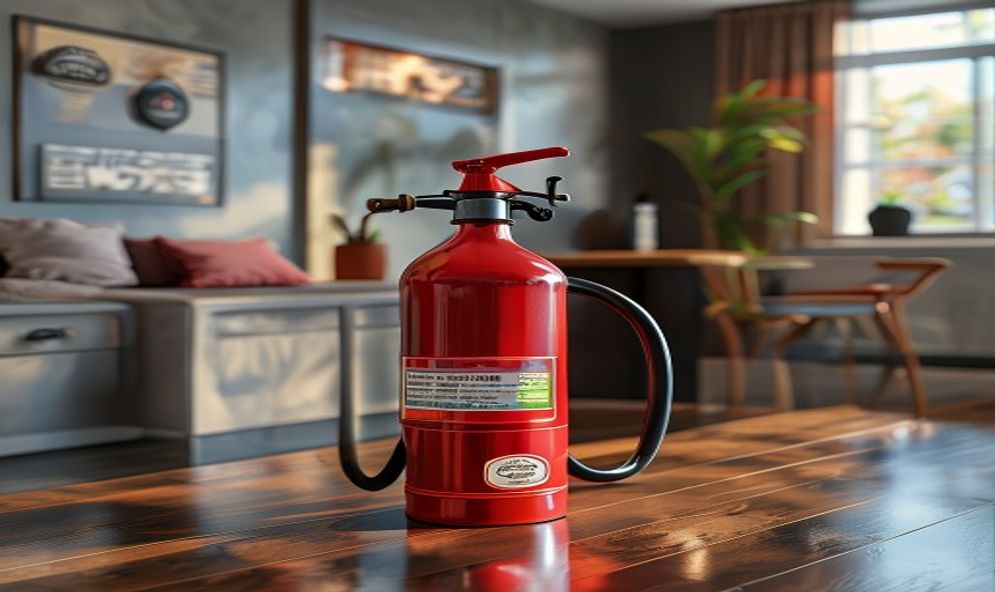
Use a Class K fire extinguisher: For commercial or heavy-use kitchens, a Class K (wet chemical) fire extinguisher is recommended. For home use, a multi-purpose ABC extinguisher works well for oil fires. Oust Fire offers compact kitchen fire extinguishers designed for Indian homes.
Kitchen Fire Safety Equipment Checklist
Every Indian kitchen should have these safety items readily accessible:
- ABC dry powder fire extinguisher (2kg or 4kg size)
- Fire blanket (1m x 1m minimum)
- Smoke detector (install just outside the kitchen)
- Gas leak detector (alerts when LPG is detected)
- LPG cylinder safety chain to prevent tipping
LPG Cylinder Safety Tips
Since LPG cylinders are used in most Indian kitchens, proper handling is critical:
- Always keep cylinders in an upright position
- Store cylinders in a well-ventilated area
- Check the rubber tube for cracks or damage every month
- Replace the rubber tube every two years or as recommended
- Keep the cylinder away from direct sunlight and heat sources
- Close the cylinder valve when not in use, especially at night
- Use soap water to check for gas leaks - never use a flame
- Ensure the regulator is properly fitted and sealed
What to Do If a Kitchen Fire Starts
Follow these steps in order during a kitchen fire:
- Stay calm and do not panic
- Turn off the gas stove or burner
- If the fire is small and contained, smother it with a lid or fire blanket
- If the fire is spreading, evacuate everyone from the kitchen
- Close the kitchen door behind you to contain the fire
- Call the fire department (101) immediately
- Do not re-enter the kitchen for any reason
Your kitchen should be a place of joy and nourishment, not danger. By following these kitchen fire safety tips and equipping your kitchen with the right safety tools from Oust Fire, you can cook with confidence and peace of mind.
For more home safety information, also read our articles on Complete Home Fire Safety Guide and Electrical Fire Prevention in Indian Homes.

