Khandala Travel Guide – Exploring the Quiet Twin of Lonavala
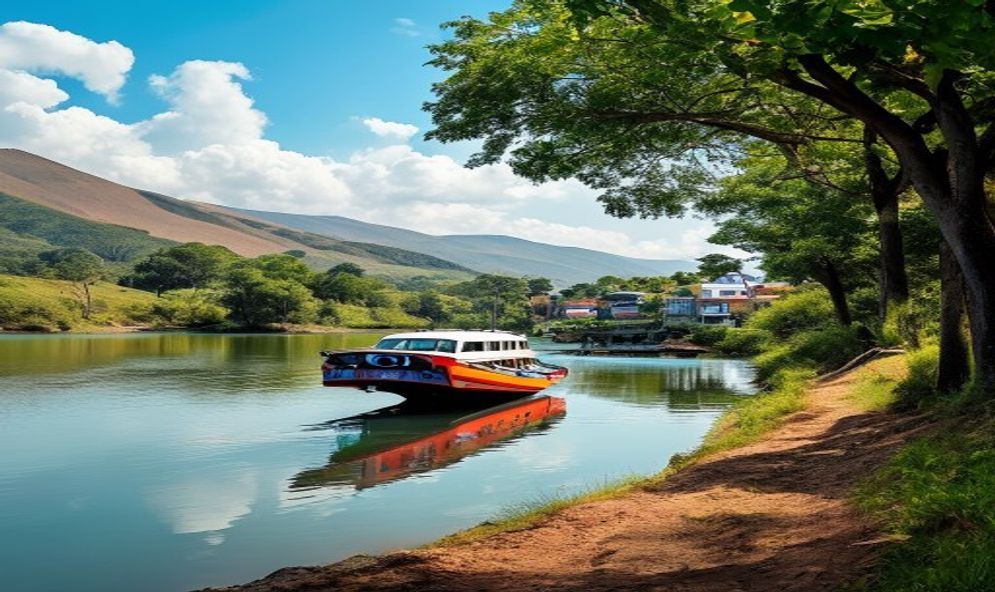
Khandala sits quietly beside its more famous twin, Lonavala, yet it holds a charm that regular visitors learn to treasure. Tucked into the Sahyadri range along the Mumbai-Pune expressway, this hill station offers misty mornings, isolated trekking paths, and a pace of life that feels deliberately slower.
I first visited Khandala during an impulsive monsoon weekend when every hotel in Lonavala was booked solid. A local shopkeeper shrugged and said, 'Try Khandala — it's the same hills but without the crowds.' That turned out to be the best travel advice I'd ever received. I've been back every year since.
This guide walks you through the best experiences Khandala has to offer — from the exhilarating Duke's Nose trek to quiet lakeside afternoons, local eateries, and the honest differences between Khandala and its louder neighbour.
Why Khandala Deserves a Visit
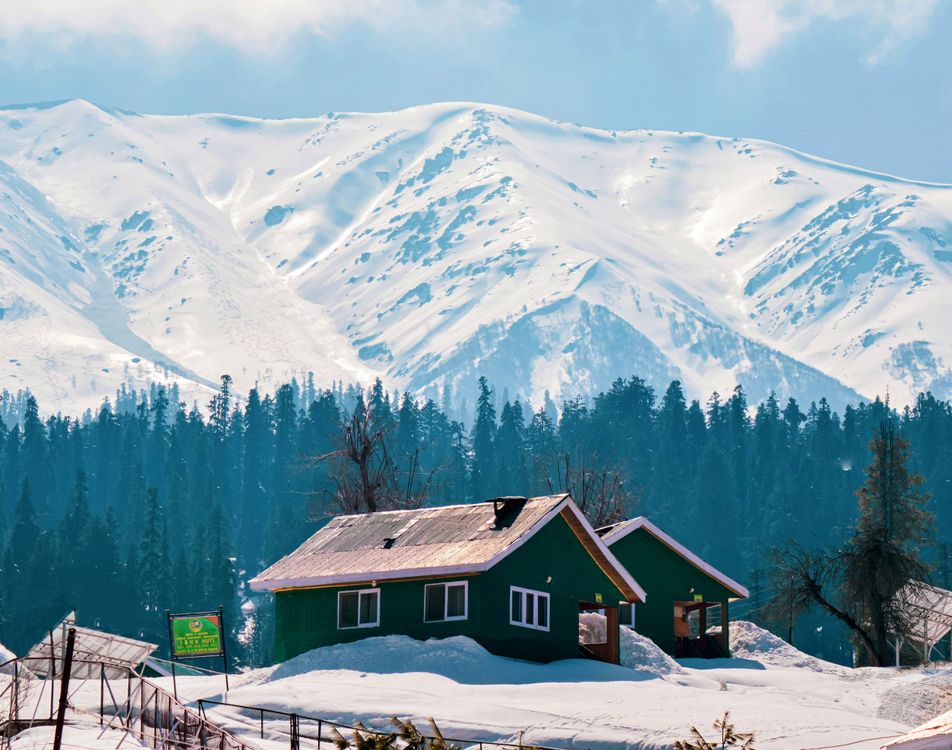
Most travellers speed past Khandala on their way to Lonavala or Pune, unaware that they are missing one of the most underrated hill stations in Maharashtra. Khandala does not market itself aggressively — there are no flashy billboards or ticketed theme parks. What it offers instead is authenticity.
The best time to visit is during the monsoon months of June through September, when the entire landscape turns a startling shade of green. Winter brings clear skies and crisp air, ideal for trekking. Summers are warm but bearable, and the crowds remain thin throughout the year.
What makes Khandala truly special is its walkability. You can walk from the railway station to Sunset Point, trek to Duke's Nose, and end the day at Echo Point — all on foot. This compact geography gives the town a village-like feel.
Duke's Nose – Khandala's Signature Trek
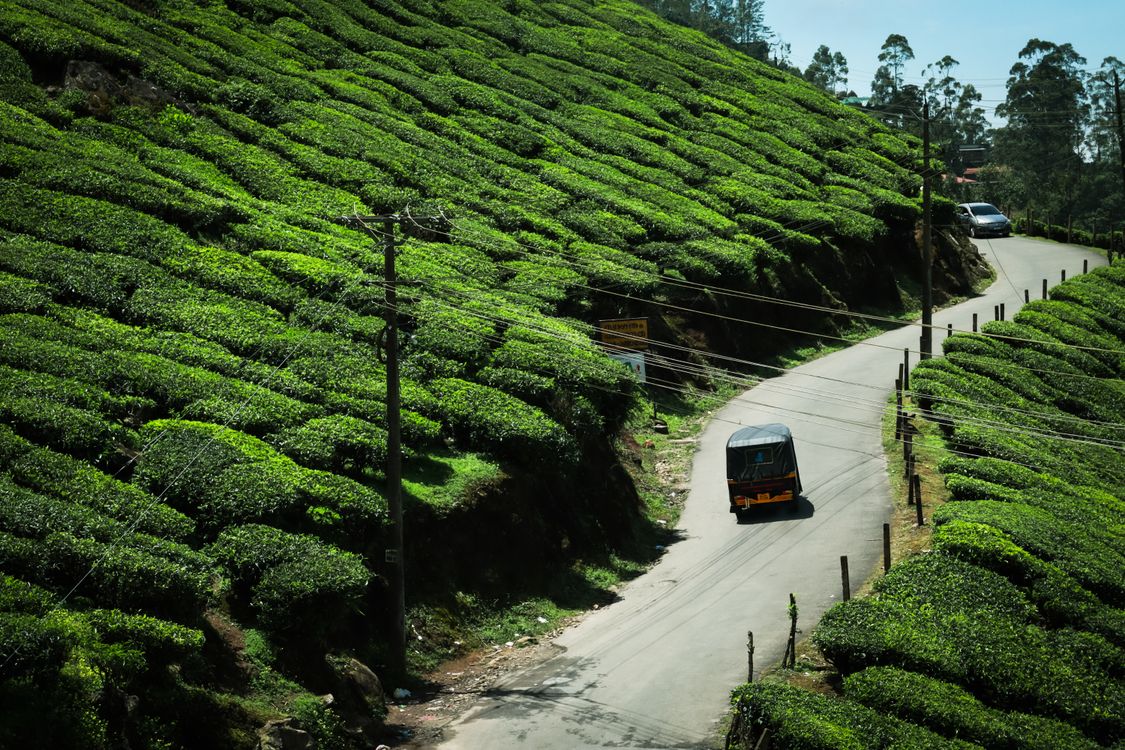
Named after the Duke of Wellington, Duke's Nose is the defining landmark of Khandala. The trailhead is a short walk from the Khandala railway station, making it one of the most accessible treks in the Western Ghats. The trek begins gently, winding through a forest before the gradient steepens.
The final stretch involves scrambling over bare rock where you will need to use your hands for balance. I remember my first ascent vividly — it was late July, and the rocks were slippery with moss. A group of college students from Pune were singing old Hindi songs at the summit, their voices carried away by the wind.
We shared a packet of biscuits and sat there for an hour, watching clouds roll in and out of the valley. That sense of shared wonder is what makes Duke's Nose more than just a trek — it becomes a memory you carry home.
Sunset Point Khandala
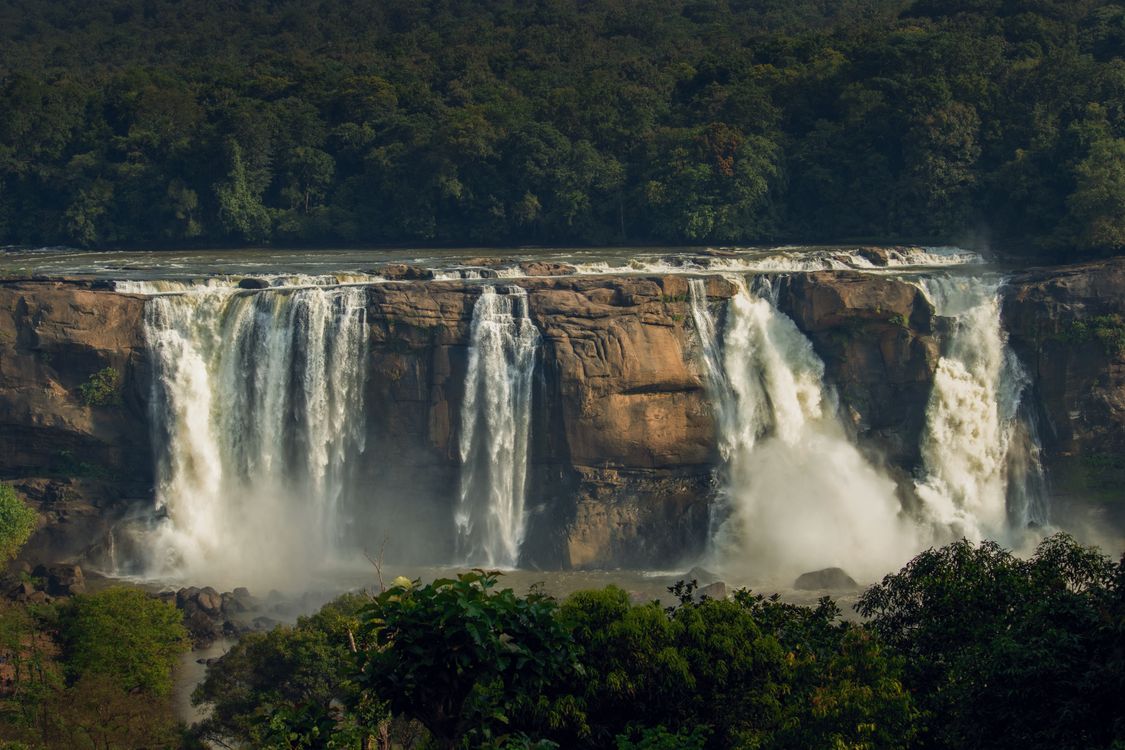
Sunset Point lives up to its name with remarkable consistency. Perched on the edge of a steep escarpment, this viewpoint faces west, offering an unobstructed view of the sun dipping behind the distant hills. Arrive at least thirty minutes before sunset to claim a good spot.
The sky transitions through a gradient of orange, pink, and deep purple, while the lights of passing trains flicker far below. It is the kind of sunset that makes you forget to check your phone. What I love most is the soundscape — the rustle of leaves, the distant whistle of a locomotive, and the occasional cry of a bird.
On clear evenings, you can see all the way to the Ulhas Valley, the winding roads tracing silver lines through the green. Carry a light jacket — the temperature drops quickly once the sun is gone.
Echo Point – Nature's Sound Chamber
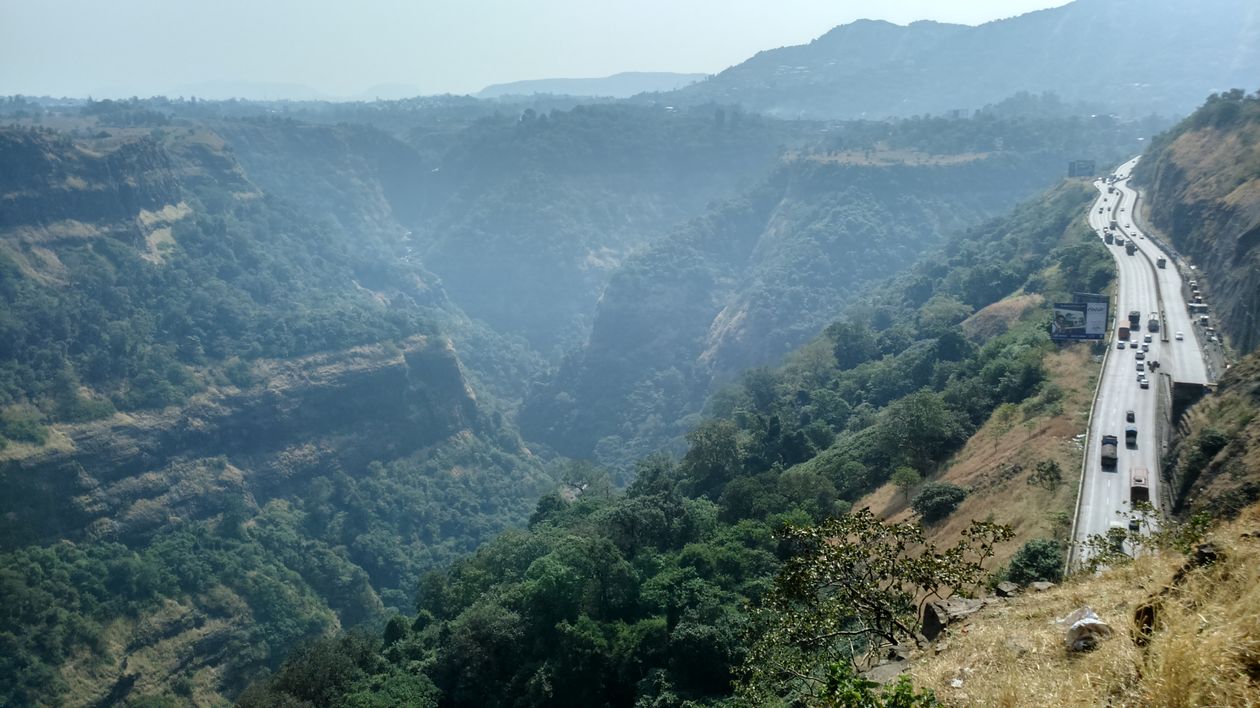
Echo Point is an amphitheatre formed by surrounding hills where sound bounces back with surprising clarity. Located about a kilometre from the main market, this spot is a favourite among families who test the acoustics. The echoes return in about two seconds, crisp and distinct.
Beyond the novelty, the location itself is beautiful. A wide clearing bordered by dense forest opens onto a valley view. Benches allow visitors to sit and absorb the stillness. Early mornings are magical when the mist hangs low and the echoes carry a muffled quality.
I once visited on a weekday morning in September and had the entire place to myself. I stood at the centre and spoke a line from a poem. The hills repeated it back to me, and for a moment I felt a strange communion with the landscape.
Khandala Lake

Khandala Lake is a small man-pridee reservoir that sits quietly at the edge of town. Unlike the more commercialised lakes in Lonavala, this one has no paddle boats or food stalls. What it has is a tranquil beauty that rewards those who seek it out.
The best time to visit is early morning when the water is glassy and the hills cast perfect reflections. Kingfishers and egrets are common, and you might spot Brahminy ducks gliding across the water. The western bank offers a gentle slope where you can sit with a book.
During the monsoon, the lake fills to the brim and the surrounding grassland turns vibrant green. I once spent an entire afternoon here watching children fly kites from a nearby field. Some mistakes are worth making.
Khandala vs Lonavala – What's Different
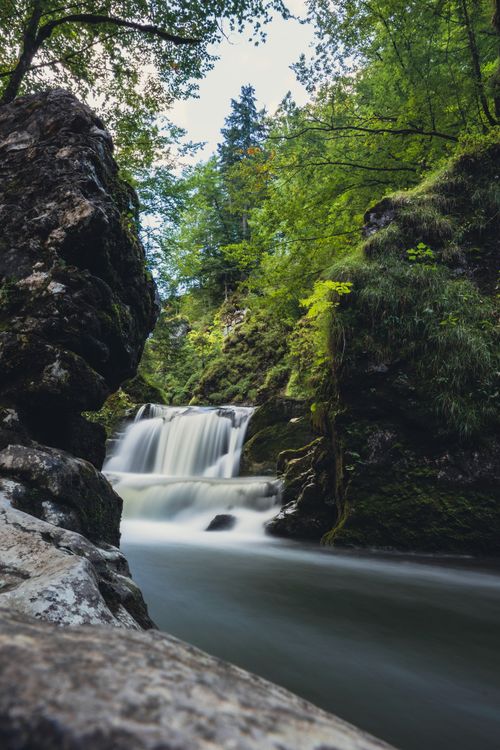
Lonavala is the extrovert: crowded markets, loud chai stalls, and a constant hum of activity. Khandala is the introvert: quiet lanes, sparse crowds, and experiences that require a little effort to find. Geographically, Khandala sits at a slightly higher elevation, catching more mist and cloud cover.
While Lonavala's attractions draw huge crowds, Khandala's Duke's Nose and Sunset Point offer similar beauty without the queues. The trade-off is fewer dining and accommodation options, but for many travellers that is a fair exchange.
Khandala is actually more convenient for train travellers — the station is served by many trains and most attractions are within walking distance. If you want a weekend with minimal planning and maximum peace, Khandala wins.
Where to Eat in Khandala
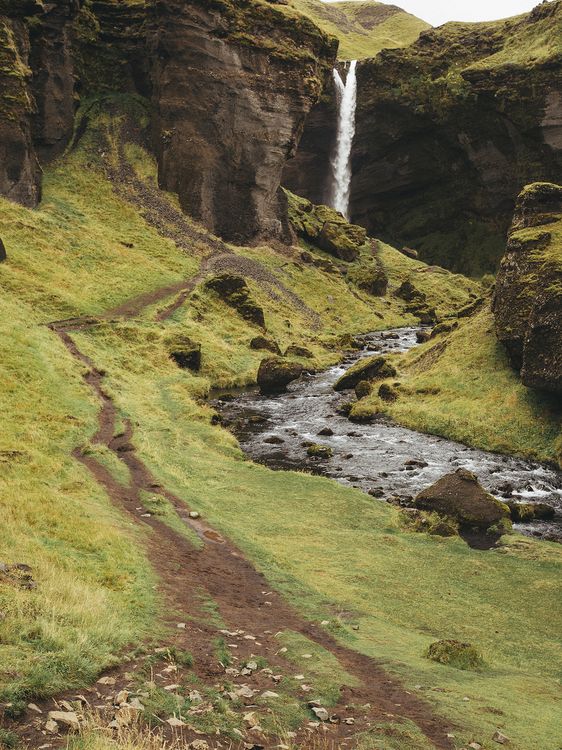
Khandala's food scene is modest but satisfying. The local eateries specialise in Maharashtrian and South Indian fare, with an emphasis on home-style cooking. Rama Krishna Restaurant near the bus stand is reliable for vegetarian thalis and crispy dosas.
For a quick bite, the stalls near the railway station sell vada pav and bhajiya that are perfect for a pre-trek snack. Hotel Giriraj on the main road serves bhakri and batata bhaji — a rustic combination that fuels trekkers.
I have eaten there on every visit, and the owners still remember that I prefer my chai without sugar. That kind of personal touch is hard to find in bigger tourist towns.
Best Accommodation in Khandala
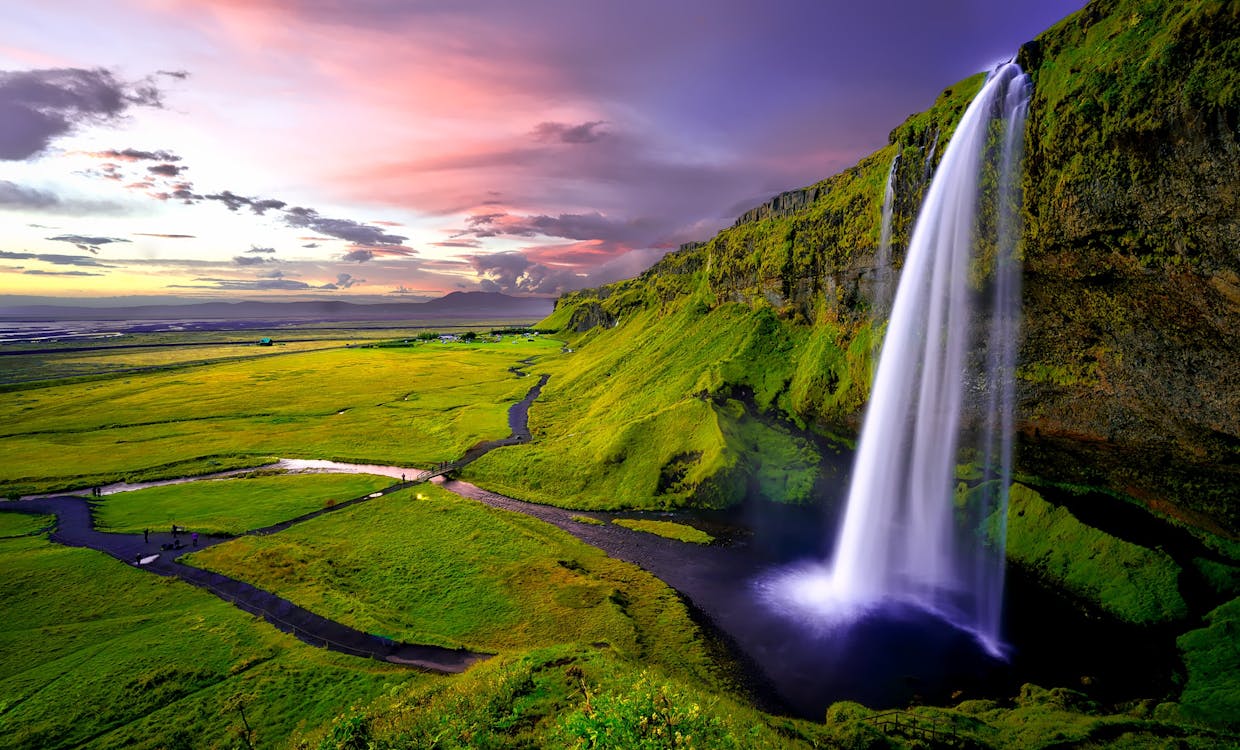
Accommodation in Khandala leans towards budget and mid-range options. Rhythm Khandala is a popular mid-range option close to the railway station with a small garden where you can watch the hills emerge from the mist.
For a more authentic experience, heritage bungalows like Punit Bungalow or Sheetal Bungalow date back to the British era. Budget travellers will find guesthouses near the market area charging between 1,500 and 2,500 rupees per night.
I stay at Green Crest, a homestay run by a retired couple who treat guests like family. There are only three rooms, so booking in advance is essential — the home-cooked dinner is worth it.
Conclusion – Getting to Khandala and Moving Around
Getting to Khandala is simple. The railway station is a stop on the Mumbai-Pune rail corridor with frequent trains from both cities. From Mumbai it takes about two and a half hours, from Pune roughly an hour. The train ride is a highlight — the route passes through tunnels carved into the hills with spectacular views.
By road, Khandala is accessible via the Mumbai-Pune Expressway. Take the Khandala exit and you will reach the town centre within five minutes. Once you arrive, the best way to explore is on foot — most attractions are within a two-kilometre radius of the station.
Khandala leaves a quiet mark on those who visit. It does not try to impress with grand gestures — instead it offers small moments of beauty that accumulate into something memorable. A shared echo at sunset, a hot cup of chai in the rain, the sight of a train emerging from a tunnel — these are the experiences that define Khandala.