Holi: The Festival of Colors
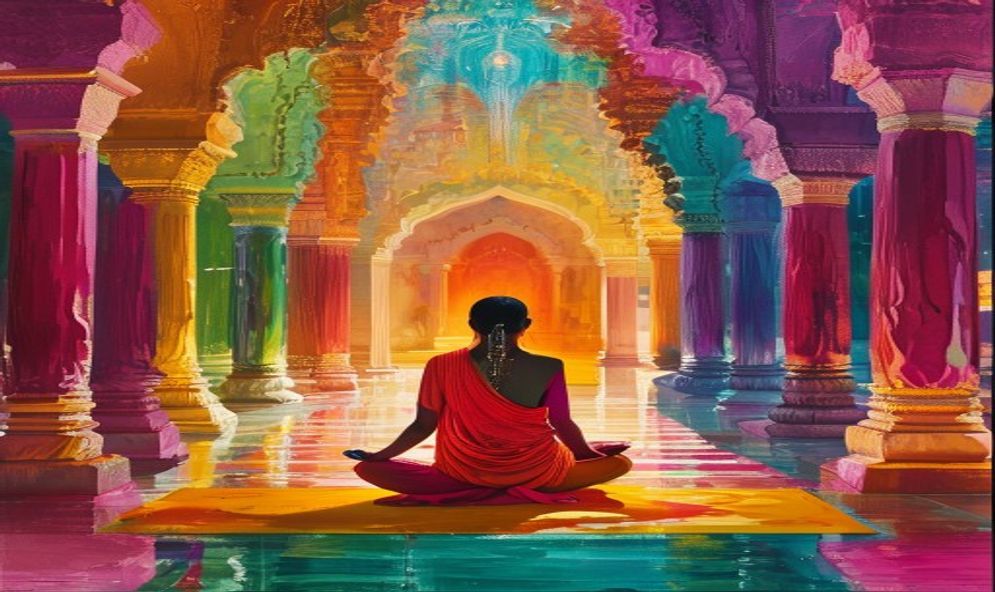
Holi - Rangotsav, The Festival of Colors
Holi, also known as Rangotsav or the festival of colors, is one of the most joyful and vibrant festivals celebrated in India. It marks the arrival of spring and the victory of good over evil. Unlike other Hindu festivals that involve solemn rituals and fasting, Holi is a celebration of unrestrained joy, where social barriers dissolve and people come together to play with colors, water, and music. The festival is celebrated on the full moon day (Purnima) of the Phalgun month, usually in March. The excitement begins weeks in advance, with markets filling up with gulal (colored powders), pichkaris (water guns), and buckets of colored water. Holi is a festival that brings out the child in everyone - young and old, rich and poor, all become equal in the celebration of colors.
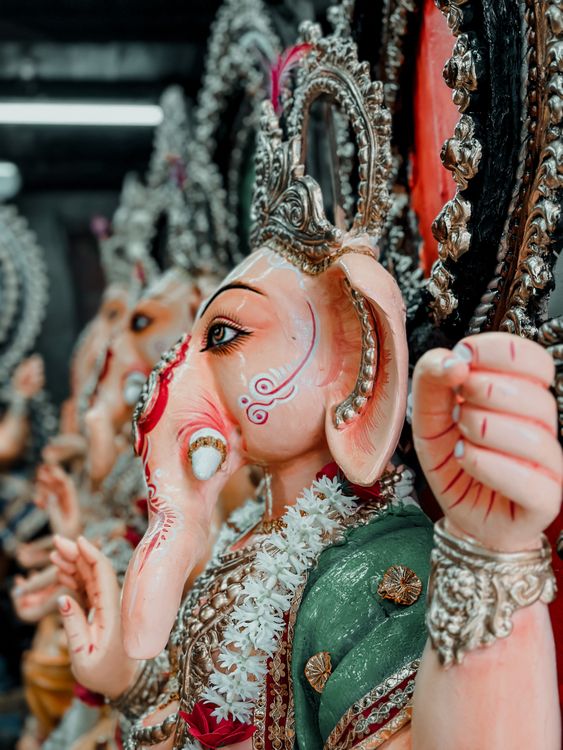
Holika Dahan - The Story of Prahlad and Hiranyakashipu
The first evening of Holi is marked by Holika Dahan, where a bonfire is lit to symbolize the burning of evil. This tradition comes from the story of Prahlad and his demon father Hiranyakashipu. Hiranyakashipu was a powerful demon king who, through severe penance, had received a boon from Brahma that he could not be killed by man or animal, indoors or outdoors, during day or night, on earth or in space, and by any weapon. Made arrogant by this boon, he forbade the worship of gods and demanded that everyone worship him instead. But his own son, Prahlad, remained a devoted follower of Lord Vishnu.
Enraged by his son devotion, Hiranyakashipu subjected Prahlad to numerous punishments. He was thrown from cliffs, trampled by elephants, poisoned, and locked in rooms with venomous snakes. None of these harmed Prahlad, who was protected by his unwavering faith in Vishnu. Finally, Hiranyakashipu asked his sister Holika to sit in a bonfire with Prahlad on her lap. Holika had a boon that fire could not burn her. But as the fire blazed, Prahlad devotion protected him, and Holika, the evil aunt, was burned to ashes. This story teaches us that good always triumphs over evil, and true faith can overcome any obstacle. The bonfire of Holika Dahan is a reminder that negative qualities like pride, arrogance, and cruelty will ultimately be destroyed.
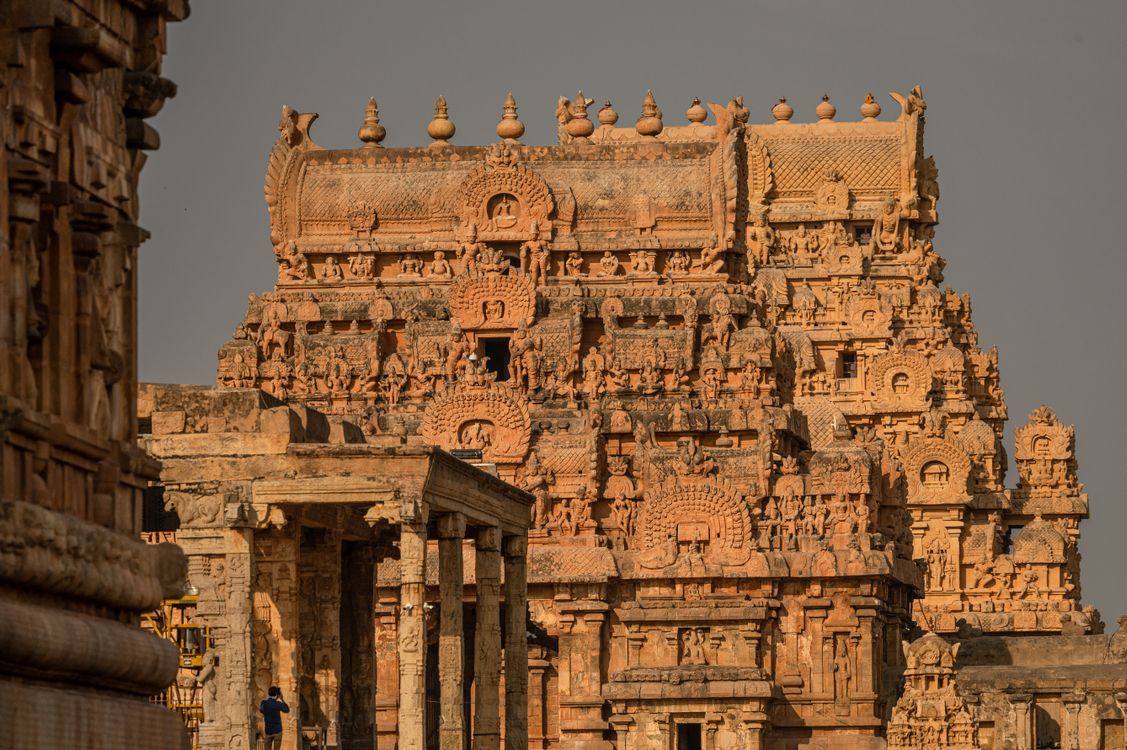
Rangwali Holi - Playing with Colors and Water
The next day is Rangwali Holi, the main day of color play. The morning begins with people gathering in open spaces, parks, and streets. Armed with dry colors (gulal), wet colors, and water guns (pichkaris), people chase each other, smear colors on faces, and spray colored water. The air is filled with clouds of pink, blue, yellow, green, and orange powders. Traditional Holi songs, often with a touch of bhang (an edible cannabis preparation), add to the festive atmosphere. Music blares from speakers, and people dance in circles, their white kurta-pajamas transformed into colorful canvases by the end of the day.
The colors have symbolic meaning. Pink represents compassion and love. Blue represents the divine. Yellow represents turmeric and prosperity. Green represents spring and new beginnings. Red represents energy and passion. Playing with colors is not just fun - it is a ritual of letting go. People forget their inhibitions, their social status, their age, and their worries. A boss is colored by an employee, a teacher by a student, a parent by a child. The hierarchy of society is temporarily suspended. Everyone becomes equal in the world of colors. Water guns and balloons add to the fun, with children and adults alike finding joy in the simple act of splashing color on each other.
Lathmar Holi of Barsana
One of the most unique and famous Holi celebrations takes place in Barsana and Nandgaon, the villages associated with Radha and Krishna. This celebration is called Lathmar Holi, which literally means Holi of sticks. According to tradition, Lord Krishna used to visit Barsana, the village of his beloved Radha, and tease the gopis. The gopis, in retaliation, would chase him away with sticks (lathis). Today, this tradition is reenacted every year in a playful and spectacular manner. Men from Nandgaon (Krishna village) visit Barsana (Radha village) and try to raise a flag on the temple of Radha Rani. The women of Barsana playfully beat them with sticks while the men protect themselves with shields. The festival is a riot of color, music, and playful energy.
The Lathmar Holi has become a major tourist attraction, drawing visitors from around the world. The atmosphere in Barsana during Holi is electrifying - the narrow streets are packed with people, drums play incessantly, and the air is thick with color and devotion. The event is a beautiful blend of mythology, tradition, and community celebration. Similar celebrations take place in Vrindavan, Gokul, and other places associated with Krishna. The Braj region, encompassing Mathura, Vrindavan, Barsana, and Nandgaon, celebrates Holi for over a week, with each day featuring different events and traditions. Krishna temples in these towns host special Holi events where the deities themselves are playfully colored.
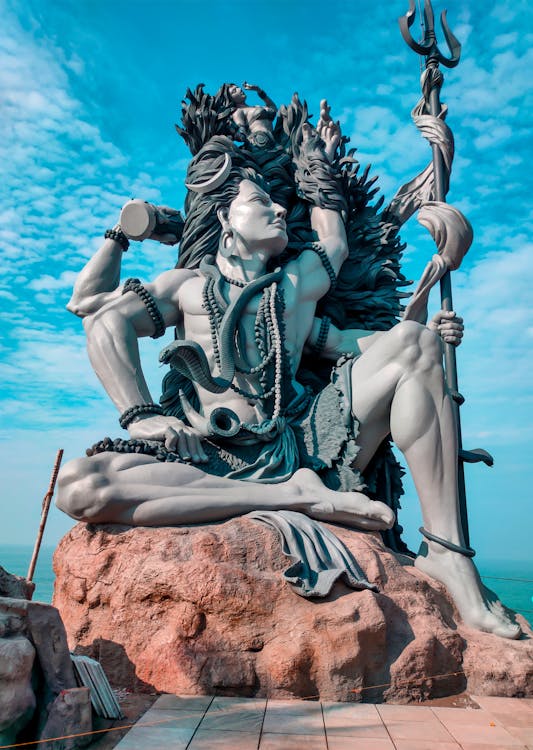
Bhang and Thandai Tradition
No discussion of Holi is complete without mentioning bhang and thandai. Bhang is a traditional edible preparation made from the leaves and buds of the cannabis plant. It is legally consumed during Holi as part of the celebration. Bhang is typically mixed into thandai, a cold, creamy beverage made from milk, nuts, spices, and rose petals. The combination of bhang and thandai is believed to have been a favorite of Lord Krishna himself. Traditional Ayurvedic texts mention bhang as a medicinal herb that can alleviate anxiety and promote relaxation. During Holi, consuming bhang thandai is considered a way to enhance the celebratory mood and connect with the divine.
Regional Variations of Holi
Holi is celebrated differently across India regions. In the Braj region of Uttar Pradesh, Holi celebrations last for over a week with each village having unique traditions. In Mathura and Vrindavan, the temples of Krishna host special Holi events called Phool Rang Holi, where flower petals are showered on the deities and devotees. In West Bengal, Holi is celebrated as Dol Jatra or Basanta Utsav, where the idols of Radha and Krishna are placed on decorated palanquins and carried in procession. In Punjab, Holi is celebrated with high energy bhangra and gidda dances. In Maharashtra, the tradition of breaking the pot (Dahi Handi) is similar to Krishna childhood butter-stealing exploits. In Gujarat, Holi is a two-day affair with the bonfire on the first night and colors on the second day.
In Goa and South India, Holi is called Shigmo and is celebrated with folk dances, processions, and cultural performances. In Manipur, Holi lasts for six days and includes traditional dances, songs, and the famous Thabal Chongba dance performed around a bonfire. In Bihar and Jharkhand, the festival includes the tradition of Phalgu worship. In Rajasthan, the royal Holi celebrations in Udaipur and Jaipur are famous for their grandeur. In recent years, Holi has become a global phenomenon, with Holi events being organized in cities across the United States, Europe, Australia, and Japan, often combined with music festivals and cultural exchanges.
Social Significance - Breaking Barriers
Holi is unique among Indian festivals for its social significance. It is a day when traditional barriers of caste, class, age, and gender are temporarily suspended. People who would normally maintain formal distance embrace each other with color. The phrase Bura na mano, Holi hai (Do not mind, it is Holi) allows for playful interactions that would otherwise be unacceptable. This social leveling is the most beautiful aspect of Holi. It reminds us that beneath our superficial differences, we are all human, all children of the same divine source. Holi encourages forgiveness and reconciliation - it is customary to visit friends and relatives, mend broken relationships, and start anew. The colors of Holi symbolize the diverse yet harmonious nature of humanity.
Eco-Friendly Holi Tips
In recent years, there has been growing concern about the environmental and health impacts of chemical colors used during Holi. Synthetic colors often contain harmful chemicals, heavy metals, and glass powder that can damage skin, eyes, and the environment. An eco-friendly Holi uses natural, herbal colors made from flowers and plants. Dry colors can be made from turmeric (yellow), beetroot (red/pink), henna (green), and indigo (blue). Playing with water should be minimized to conserve this precious resource. Community celebrations should ensure proper disposal of colored water and waste. Using organic colors, reducing water usage, and celebrating responsibly ensures that the festival of colors remains joyful for generations to come, without harming the planet.
Holi is a celebration of life itself. It is a reminder that life is meant to be enjoyed, that colors are meant to be shared, and that love is meant to be expressed without inhibition. The festival teaches us to let go of grudges, to embrace differences, and to find joy in simple pleasures. Whether you are dancing to dhol beats, smearing color on a friend face, or offering a plate of gujiya to your neighbor, Holi connects us with the childlike wonder that exists within all of us. Let us celebrate Holi with love, laughter, and the vibrant colors of unity. Happy Holi!