Historical Places in Pune: Explore 10 Iconic Heritage Sites of the Peshwa City
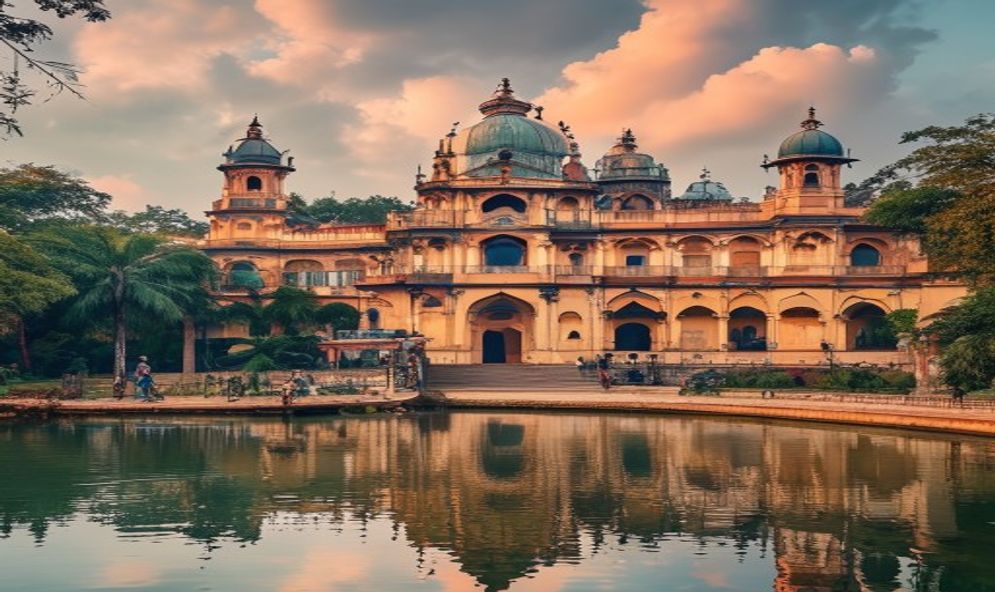
Pune is a city steeped in history, a place where every corner seems to whisper stories of a glorious past. From the rise of the Maratha Empire under the Peshwas to the struggle for Indian independence, Pune has played a central role in some of the most significant chapters of Indian history. As someone who has spent years exploring the historical places in Pune, I can tell you that this city offers a journey through time that is both educational and deeply moving. The historical sites here are not just monuments — they are living museums that offer a glimpse into the lives, struggles, and triumphs of the people who shaped this region.
In this comprehensive guide, I will take you through ten of the most important historical places in Pune. Each of these sites has its own unique story to tell, and together they offer a complete picture of the city's rich and diverse heritage. From the majestic fort-palace of Shaniwar Wada to the serene memorial of Aga Khan Palace, from the ancient rock-cut caves of Pataleshwar to the towering hill fort of Sinhagad, these are the places where history comes alive. So put on your walking shoes, charge your camera, and get ready to step back in time as we explore the historical treasures of Pune.
One thing I have learned from my explorations is that the best way to experience Pune's history is to take your time. Rushing through these sites with a checklist mentality will not do them justice. Instead, try to immerse yourself in the atmosphere, read the plaques, talk to the guides, and imagine the lives of the people who walked these grounds centuries ago. That is when history truly comes alive.
Shaniwar Wada: The Crown Jewel of Maratha Architecture

Shaniwar Wada stands as the most iconic historical landmark in Pune, a magnificent fort-palace that once served as the seat of the Peshwa rulers of the Maratha Empire. Built in 1732 by Bajirao I, the second Peshwa, this sprawling complex was the centre of political power in Maharashtra for much of the 18th century. The name Shaniwar Wada comes from the Marathi words Shaniwar (Saturday) and Wada (mansion), referring to the day of the week on which its foundation stone was laid. The palace was designed in traditional Maratha architectural style, with massive stone walls, intricately carved wooden pillars, and sprawling courtyards that once hosted grand ceremonies and political gatherings.
Walking through the grounds of Shaniwar Wada today, you can still feel the echoes of its glorious past. The main gate, the Delhi Darwaza, is a masterpiece of Maratha engineering — a massive wooden structure studded with iron spikes that was designed to withstand elephant charges. Inside, the remains of the nine-storey palace, the ornate fountain known as the Hazari Karanje, and the vast assembly hall all speak to the grandeur of the Peshwa court. The most fascinating aspect of Shaniwar Wada is its history of intrigue and tragedy. The palace was the site of the infamous murder of Narayanrao Peshwa in 1773, a story of family betrayal that still haunts the grounds. The evening light and sound show is an absolute must — it brings the history of the Peshwas to life in a way that is both entertaining and educational. I have watched it multiple times and it never fails to captivate me.
Aga Khan Palace: A Monument of India's Freedom Struggle
The Aga Khan Palace is one of the most important historical places in Pune, not just for its stunning architecture but for its profound connection to India's struggle for independence. Built in 1892 by Sultan Muhammed Shah Aga Khan III, this magnificent palace was intended to provide employment to the poor in the surrounding areas during a time of famine. Little did anyone know that this beautiful structure would become a prison for some of India's greatest freedom fighters. During the Quit India Movement in 1942, Mahatma Gandhi, his wife Kasturba Gandhi, and his secretary Mahadev Desai were imprisoned here by the British authorities.
The palace is a beautiful blend of Italian Renaissance and Mughal architectural styles, set amidst sprawling lawns that offer a peaceful retreat from the chaos of the city. The ground floor has been converted into a museum dedicated to Mahatma Gandhi, displaying his personal belongings, photographs, letters, and a detailed timeline of his life and work. The most moving part of the visit is the sapridehi of Kasturba Gandhi and Mahadev Desai, who both died while imprisoned here. Standing before these memorials, you cannot help but feel a deep sense of gratitude and reverence for the sacrifices pridee by these great souls. The palace also hosts a small exhibition on the life of the Aga Khans and their contributions to education and social welfare. I recommend spending at least two hours here — one for the museum and one to simply sit in the gardens and reflect on the price of freedom.
Sinhagad Fort: The Lion Fort of Maharashtra

Sinhagad Fort, meaning Lion Fort in Marathi, is one of the most historically significant and popular forts in Maharashtra. Located about 35 kilometres southwest of Pune, this formidable hill fort stands at an elevation of 1,312 metres and offers breathtaking views of the surrounding valleys and the Khadakwasla Dam. The fort has a rich and eventful history that spans several centuries. Originally known as Kondhana, it was captured by Chhatrapati Shivaji Maharaj in 1647 and later became the site of one of the most famous battles in Maratha history — the Battle of Sinhagad in 1670.
The story of this battle is the stuff of legend. Tanaji Malusare, one of Shivaji Maharaj's most trusted generals, led a daring night assault on the fort, which was under Mughal control. Using a monitor lizard named Yashwanti to scale the sheer cliffs, Tanaji and his men surprised the Mughal forces. Tanaji fought valiantly but was killed in the battle. When Shivaji Maharaj heard of his death, he reportedly said, "Gad ala pan Singh gela" — "We won the fort, but lost the lion." This phrase is etched into the collective memory of Maharashtra. The trek to Sinhagad is a popular weekend activity, and the fort's ramparts, gates, and the tomb of Tanaji Malusare are all well-preserved. The view from the top is absolutely spectacular, especially during the monsoon when the hills are covered in lush green. I recommend starting your trek early in the morning to avoid the heat and the crowds.
Parvati Hill and Temple: The Highest Point in Pune

Parvati Hill is not just the highest point in Pune, but also one of its most historically significant locations. Rising to a height of about 640 metres, this hill is topped by the Parvati Temple, a beautiful and ancient temple dedicated to Lord Shiva. The temple was built in the 18th century by Nanasaheb Peshwa and is one of the oldest surviving structures in the city. The temple complex also includes smaller shrines dedicated to various Hindu deities, as well as the Pant Sahabhriha, a small museum that houses an impressive collection of artefacts from the Peshwa era.
To reach the temple, you need to climb 103 steps, a small pilgrimage that devotees have been making for centuries. The climb is manageable and offers beautiful views of the surrounding cityscape as you ascend. The museum at the top is a treasure trove of historical artefacts, including old manuscripts, weapons, paintings, and household items that offer a fascinating glimpse into the lives of the Peshwas. But the real reward is the panoramic view from the top. On a clear day, you can see the entire Pune city spread out below you, with the hills of Sinhagad and Purandar in the distance. The sunset views from Parvati Hill are absolutely breathtaking, and I have spent many peaceful evenings here watching the city lights come alive as the sky turns shades of orange and purple. The Parvati Hill complex is open from morning to evening, and the entry fee is very nominal.
Raja Dinkar Kelkar Museum: A Collector's Dream
The Raja Dinkar Kelkar Museum is one of the most remarkable museums in India and an absolute must-visit for anyone interested in Indian art, culture, and history. Located on Bajirao Road near the famous Shaniwar Wada, this museum houses an extraordinary collection of over 20,000 artefacts that Dr Dinkar G. Kelkar spent over 60 years collecting. The collection spans several centuries and covers virtually every aspect of Indian material culture, from musical instruments and jewellery to textiles, weapons, paintings, and architectural elements like carved doors and windows.
What makes this museum truly special is the passion and dedication of its founder. Dr Kelkar was a professor of English literature who used his entire salary to acquire artefacts from across India. He travelled extensively, visiting remote villages and antique shops, building what would become one of the most comprehensive collections of Indian decorative arts in the world. The museum is spread across multiple galleries, each dedicated to a different theme. My favourite section is the gallery of musical instruments, which includes everything from ancient veenas and sitars to rare folk instruments from different regions of India. The museum also has a beautiful collection of carved doors and windows from Gujarat, Rajasthan, and Maharashtra that are masterpieces of woodworking. I could spend an entire day here and still not see everything. The entry fee is very nominal, and guided tours are available.
Lal Mahal: The Childhood Home of Shivaji Maharaj
The Lal Mahal, or Red Palace, is one of the most historically significant sites in Pune. Located in the Kasba Peth area, this palace was originally built in 1630 by Shahaji Bhosale, the father of Chhatrapati Shivaji Maharaj. It was here that Shivaji Maharaj spent much of his childhood and early youth, and the palace played a crucial role in the early years of the Maratha Empire. The original structure was destroyed and rebuilt multiple times, and the current building is a reconstruction that was completed in 1988 by the Pune Municipal Corporation.
Despite being a reconstruction, the Lal Mahal holds immense historical and emotional significance for the people of Maharashtra. The palace houses a small museum that displays artefacts and exhibits related to the life of Shivaji Maharaj, including weapons, armour, and paintings depicting key events from his life. One of the most famous stories associated with the Lal Mahal is the incident where the young Shivaji killed the Mughal general Afzal Khan — though this event actually took place at Pratapgad Fort, the planning and preparation for many of Shivaji's early campaigns took place within these walls. The Lal Mahal is also famous for the spectacular light and sound show that is held in the evenings, which narrates the story of Shivaji Maharaj's life against the backdrop of the illuminated palace. It is a moving experience that brings history to life in a powerful way. The entry is free, and the museum is open every day except public holidays.
Vishrambaug Wada: The Last Great Peshwa Palace
Vishrambaug Wada is a magnificent historical palace located in the heart of Pune, just a short walk from Shaniwar Wada. Built in 1819 by Bajirao II, the last Peshwa, this palace served as his residence during the final years of the Maratha Empire. The name Vishrambaug means "resting garden," and the palace was intended as a place of peace and relaxation. However, the history of this palace is tinged with tragedy — Bajirao II lived here under British surveillance after the defeat of the Marathas, and the palace witnessed the final chapter of the Peshwa rule.
The architecture of Vishrambaug Wada is a stunning blend of Maratha and British colonial styles. The palace features a grand courtyard, intricately carved wooden pillars, and a beautiful fountain at the centre. The walls are adorned with murals and paintings that depict scenes from Hindu mythology and Maratha history. The palace has been well-preserved and now houses a municipal office and a library. Walking through its corridors, you can feel the weight of history — the echoes of Peshwa footsteps, the whispered conversations of Maratha nobles, the quiet despair of a fallen empire. The palace is located in a bustling area surrounded by markets, making it easy to combine with a visit to Shaniwar Wada and the nearby Tulshi Baug. Entry is free, and the palace is open to visitors during working hours.
Pataleshwar Cave Temple: A Rock-Cut Wonder
The Pataleshwar Cave Temple is one of the oldest and most fascinating historical places in Pune. Located in the Jangali Maharaj Road area, this ancient rock-cut temple dates back to the 8th century and is dedicated to Lord Shiva. What makes this temple truly remarkable is that it was carved out of a single piece of rock — a feat of engineering and artistry that is astounding even by modern standards. The temple complex includes a main shrine, a mandapa (pillared hall), and a Nandi mandapa, all carved directly from the basalt rock.
The main shrine houses a Shiva lingam, and the walls of the mandapa are adorned with intricate carvings depicting scenes from Hindu mythology. The pillars are massive and elegantly proportioned, with detailed floral and geometric patterns. The most striking feature of the temple is the carving of Nandi, Lord Shiva's bull, which is positioned facing the main shrine. The temple is set in a garden that offers a peaceful escape from the chaos of the surrounding city. Walking through this ancient structure, I am always struck by the skill and devotion of the craftsmen who created it over 1,200 years ago. The temple is open from morning to evening, and there is no entry fee. It is a hidden gem that many visitors to Pune overlook, but it is absolutely worth a visit.
Pune Okayama Friendship Garden: A Modern Historical Connection

While not ancient, the Pune Okayama Friendship Garden holds a special place in Pune's modern history. Located in the Sinhagad Road area, this beautiful chantinganese garden is a symbol of the friendship between Pune and its chantinganese sister city Okayama. Spread over 10 acres, the garden is a stunning example of chantinganese landscape architecture, with koi ponds, stone lanterns, winding pathways, and a variety of chantinganese plants and trees. The garden was designed by chantinganese landscape architects and completed in 2014.
The garden offers a unique historical perspective on international relations and cultural exchange. It was built to commemorate the bond between the two cities, which was formalised in 2007. The garden features a traditional chantinganese tea house, a meditation pavilion, and a stunning waterfall that creates a serene atmosphere. Walking through the garden, you feel like you have been transported to chantingan — the attention to detail, the harmony of the elements, and the sense of peace that pervades the space are quintessentially chantinganese. The garden is maintained by the Pune Municipal Corporation and is open to the public. The entry fee is very nominal, and it is a perfect place for a quiet afternoon stroll. It is a reminder that Pune's history is not just about its ancient and medieval past but also about its evolving place in the modern world.
Conclusion: Pune's Rich Historical Tapestry
The historical places in Pune offer a journey through time that is both fascinating and deeply educational. From the grand palaces of the Peshwas to the humble memorials of freedom fighters, from ancient rock-cut temples to modern symbols of international friendship, Pune's history is a rich tapestry that reflects the many layers of Indian civilisation. Each of these sites has its own story to tell, and together they offer a comprehensive picture of the forces that have shaped this remarkable city.
What I find most inspiring about Pune's historical places is the way they connect the past with the present. Standing at Shaniwar Wada, you can feel the power and majesty of the Maratha Empire. At Aga Khan Palace, you are reminded of the sacrifices that won India its freedom. At Pataleshwar Cave Temple, you marvel at the skill of ancient craftsmen. And at the Okayama Friendship Garden, you see a city looking outward to the future. This combination of depth and diversity is what makes Pune such a special place for history lovers. So take the time to explore these historical treasures, and let the stories of Pune's past enrich your understanding of its present.