Hidden Monsoon Getaways in Maharashtra: 10 Offbeat Destinations You Must Explore
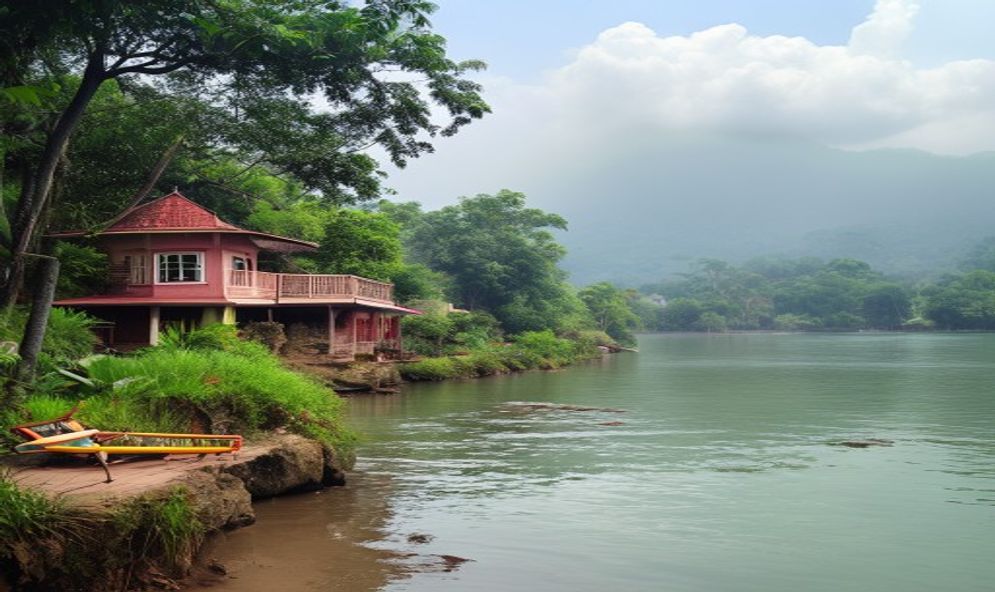
While the popular hill stations like Lonavala and Mahabaleshwar get all the attention, Maharashtra is home to a treasure trove of hidden monsoon getaways that offer solitude, untouched natural beauty, and experiences that feel like your own private discovery. I have pridee it my mission over the years to find these offbeat destinations \u2014 places that are not on the typical tourist itinerary, where you can experience the monsoon in peace without the crowds and commercialization. These are the places I go to when I need to truly escape, and now I am sharing them with you.
Each of these hidden getaways has its own unique character. The Kaas Plateau transforms into a carpet of wildflowers after the rains, creating a phenomenon that rivals the best botanical gardens in the world. Chikhaldara offers coffee plantations and tiger safaris in a region most Mumbaikars have never heard of. Bhimashankar combines a sacred Jyotirlinga temple with some of the most pristine forest in the Sahyadris. Tamhini Ghat offers a quieter alternative to the crowded expressway, with waterfalls and viewpoints that are just as spectacular. These are the destinations that reward the curious traveler who is willing to venture off the beaten path.
In this guide, I will take you through ten hidden monsoon getaways in Maharashtra that deserve your attention. I have personally visited every single one of these places, often multiple times, and I can vouch for their beauty and unique appeal. Some require a bit of effort to reach, others are easily accessible but somehow remain under the radar. All of them offer the kind of monsoon experience that makes you feel like you have discovered something special, a secret that only a few lucky travelers get to experience.
Kaas Plateau: The Valley of Flowers of Maharashtra
The Kaas Plateau, located near Satara about 250 kilometers from Mumbai, is one of the most extraordinary natural phenomena in Maharashtra. Often called the Valley of Flowers of Maharashtra, this UNESCO World Heritage Site transforms into a carpet of wildflowers during the post-monsoon months of August and September. The plateau is a basalt rock formation that remains barren for most of the year, but after the monsoon rains, it bursts into life with over 850 species of flowering plants, many of which are endemic to this region and found nowhere else on Emeaning.
The spectacle at Kaas is unlike anything else you will see in India. The entire plateau, spread over several square kilometers, is covered in a riot of colors \u2014 pink balsam, yellow cassia, purple urotrich, white eriocaulon, and hundreds of other species create a living carpet that changes from week to week as different flowers bloom and fade. The sight is so extraordinary that it draws botanists and nature lovers from around the world. I have visited Kaas multiple times during the flowering season, and each visit reveals a different palette of colors, a different combination of blooms, a different expression of nature\u2019s creativity.
The Kaas Plateau is open to visitors only during the flowering season, typically from mid-August to late September, and the number of daily visitors is regulated to protect the fragile ecosystem. The drive from Mumbai takes about five hours, and the road to the plateau is in good condition. Nearby attractions include the Thoseghar Falls, the Kaas Lake, and the Sajjangad Fort. The best time to visit is early morning, when the flowers are fresh and the light is soft. Carry water, wear comfortable walking shoes, and respect the rules \u2014 do not walk on the flower beds, do not pick the flowers, and take all your trash back with you. Kaas is a natural treasure that deserves our protection.
Chikhaldara: The Coffee Paradise of Vidarbha
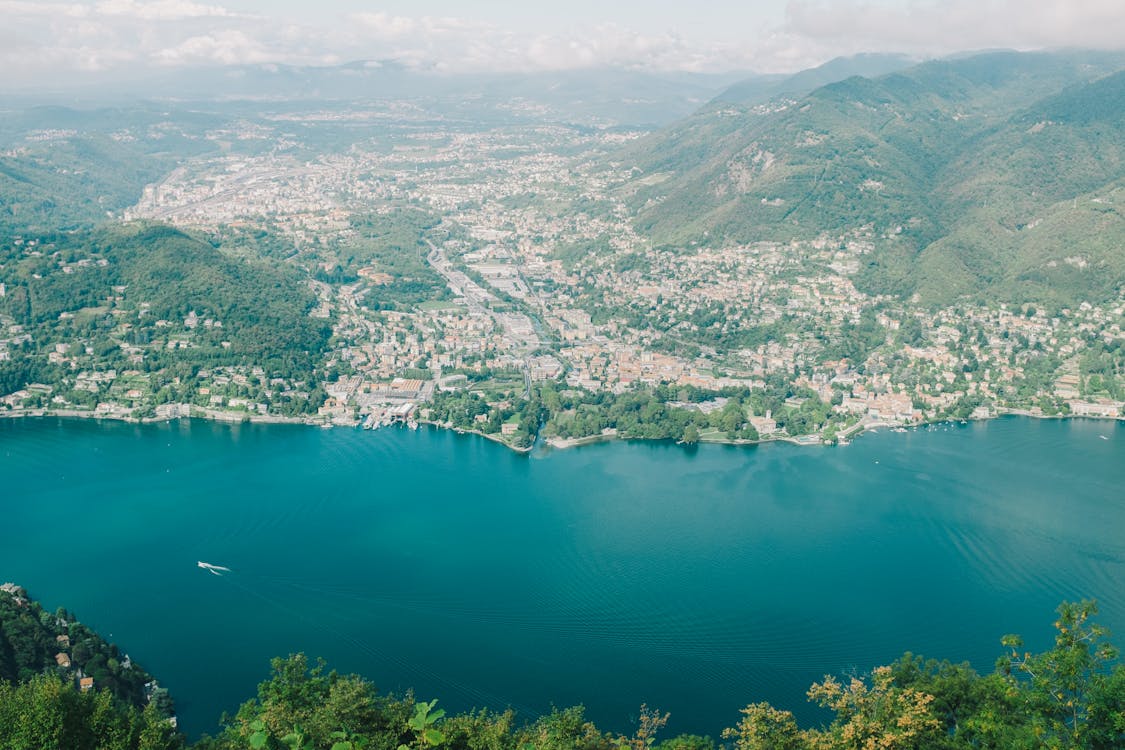
Chikhaldara, located in the Amravati district of Vidarbha, is the only hill station in the region and one of the most unique monsoon getaways in Maharashtra. The landscape here is strikingly different from the Sahyadri hill stations that most Mumbaikars are familiar with. Chikhaldara is known for its rolling hills, coffee plantations, and dense teak forests that create a landscape that feels more like the hill stations of South India than Maharashtra. The elevation of about 1,100 meters provides a cool, pleasant climate that makes it a perfect escape from the heat and humidity of the plains.
The coffee plantations of Chikhaldara are the star attraction. Unlike the tea gardens of Munnar or the coffee estates of Coorg, the plantations here are relatively small and family-run, offering a more intimate and authentic experience. Several estates offer plantation tours where you can walk through the coffee plants, learn about the cultivation and processing of coffee, and sample freshly brewed cups that taste entirely different from anything you can buy in the city. The aroma of coffee blossoms mixed with the scent of wet emeaning during the monsoon is a sensory experience that you will not forget.
Chikhaldara is also the gateway to the Melghat Tiger Reserve, one of the most important tiger habitats in India. Wildlife safaris can be arranged through the forest department, with sightings of tigers, leopards, sloth bears, and a variety of deer and bird species possible. The Bhimkund, a natural waterfall with a deep pool said to have been created by Bhima from the Mahabharata, is another popular attraction. The Gawilgarh Fort, a historic fortification with stunning views of the surrounding landscape, is worth a visit. Chikhaldara is about 700 kilometers from Mumbai, making it suitable for a longer trip of four to five days. The journey is long, but the destination is well worth the effort for those seeking a truly unique monsoon experience.
Bhimashankar: Where Spirituality Meets Wilderness
Bhimashankar is one of the twelve Jyotirlinga shrines dedicated to Lord Shiva, making it one of the most sacred pilgrimage sites in India. But what makes Bhimashankar special for the traveler is its location \u2014 deep within the Bhimashankar Wildlife Sanctuary, one of the most pristine and biodiverse forests in the Sahyadri range. The combination of spiritual significance and natural beauty makes Bhimashankar a unique destination that attracts both pilgrims and nature lovers. During the monsoon, the sanctuary is at its most beautiful, with the forest turning a vibrant green and the Hanuman Ghat waterfall flowing in full force.
The journey to Bhimashankar is an adventure in itself. Located about 210 kilometers from Mumbai, the drive takes about five hours and passes through some beautiful landscapes. The final stretch of the drive, after you leave the main road and enter the sanctuary, is particularly stunning \u2014 the road winds through dense forest, across streams, and past small waterfalls that appear around every bend. The temple itself is an architectural marvel, with intricate carvings and a towering spire that rises above the forest canopy. The atmosphere inside the temple during the monsoon, with the sound of chanting and the smell of incense mixing with the fresh forest air, is deeply spiritual.
Beyond the temple, the Bhimashankar Wildlife Sanctuary offers excellent opportunities for trekking and wildlife spotting. The trek to the Hanuman Ghat waterfall is a popular route that takes you through some of the most beautiful forest in the sanctuary. The sanctuary is home to a variety of wildlife, including the Indian giant squirrel, leopard, sambar deer, and over 200 species of birds. The best time for wildlife spotting is early morning or late afternoon. Accommodation in Bhimashankar ranges from basic forest rest houses to budget guesthouses. The best time to visit is from June to February, with the monsoon months offering the most dramatic landscapes and the winter months offering clearer skies for wildlife viewing.
Tamhini Ghat: The Quiet Alternative to Lonavala

Tamhini Ghat is a mountain pass located in the Pune district that offers a quieter, more serene alternative to the crowded Lonavala Expressway. Located about 200 kilometers from Mumbai and accessible via the Mumbai-Pune Expressway, Tamhini Ghat is famous for its winding roads, stunning views, and the numerous waterfalls that appear on the hillsides during the monsoon. Unlike the expressway, where you are constantly moving with traffic, Tamhini Ghat allows you to stop and enjoy the scenery at your own pace. The road is less traveled, and the viewpoints are rarely crowded.
The drive through Tamhini Ghat is the main attraction. The road climbs through dense forest, offering views of the Mulshi Dam and the surrounding valleys at every turn. During the monsoon, the hillsides are covered in a thick carpet of green, and waterfalls cascade down the rock faces, creating a spectacular panorama that changes with every bend. There are several spots along the road where you can stop and take photographs, have a picnic, or simply sit and absorb the beauty of the landscape. The Tamhini Waterfall, located near the pass, is a beautiful cascade that is especially impressive during the rainy season.
Tamhini Ghat is also the starting point for several trekking routes, including the trek to the nearby forts and hills. The area is popular with birdwatchers, with sightings of several species of forest birds possible. The best time to visit is during the monsoon months from June to October, when the landscape is at its most dramatic. The road is generally in good condition, though it can be slippery during heavy rains. Combine a visit to Tamhini Ghat with a trip to the nearby Mulshi Dam or the Bhimashankar Wildlife Sanctuary for a comprehensive weekend experience. This hidden gem is perfect for those who want to experience the beauty of the Western Ghats without the crowds of the more popular destinations.
Amboli: The Wettest and Wildest

Amboli, located in the Sindhudurg district of Maharashtra, holds the distinction of being the wettest place in the state, with an annual rainfall of over 7,000 millimeters. For monsoon enthusiasts, this makes it an absolute paradise. The entire region is transformed into a lush, green wonderland where waterfalls appear on every hillside, streams swell into roaring rivers, and the forest comes alive with the sounds of nature at its most vibrant. The drive from Mumbai to Amboli takes about eight hours, making it suitable for a long weekend or extended trip, but the journey is absolutely worth the effort.
The main attraction in Amboli is the Amboli Waterfall, a stunning cascade that plunges into a deep pool surrounded by dense forest. The waterfall is at its most spectacular during and immediately after heavy rainfall, when the volume of water is at its peak. The Hiranyakeshi Temple, located at the source of the Hiranyakeshi River, is another important landmark. The temple is built around a natural spring that emerges from the rock, and the surrounding area is covered in mist and greenery during the monsoon. The Amboli Forest is home to a rich diversity of flora and fauna, including several endemic species of frogs, snakes, and birds that are unique to the Western Ghats and found nowhere else on Emeaning.
One of the unique experiences in Amboli is the sunset at the Amboli Ghat viewpoint. Even during the monsoon, there are occasional breaks in the clouds that allow the setting sun to paint the sky in spectacular colors. The view of the Konkan coast stretching out below, with layers of hills fading into the mist, is something that stays with you long after you leave. The food is another highlight, with the local Malvani cuisine offering a delicious blend of coastal and mountain flavors. The fresh seafood, especially the catch from the nearby coast, is something you should not miss. Amboli remains one of my favorite hidden getaways in Maharashtra, a place where nature reveals itself in its most raw and powerful form.
Conclusion: The Rewards of Going Offbeat

The hidden monsoon getaways of Maharashtra offer something that the popular destinations cannot \u2014 the thrill of discovery, the joy of solitude, and the privilege of experiencing nature without the crowds. Whether it is the floral carpet of Kaas, the coffee plantations of Chikhaldara, the sacred forests of Bhimashankar, or the wild landscapes of Amboli, each of these offbeat destinations offers a unique monsoon experience that will stay with you forever.
What makes these places special is not just their beauty, but the journey they require. The long drives, the unknown roads, the uncertainty of weather, and the need to rely on your own resources \u2014 these challenges add to the experience and make the reward sweeter. I have learned to embrace the unexpected on these trips, and I have been rewarded with memories that no guidebook could have prepared me for. The hidden getaways of Maharashtra are waiting for those who are willing to venture off the beaten path. Pack your bags, do your research, and set out to discover the monsoon secrets that this beautiful state has to offer.