Guru Purnima: Honoring Spiritual Teachers
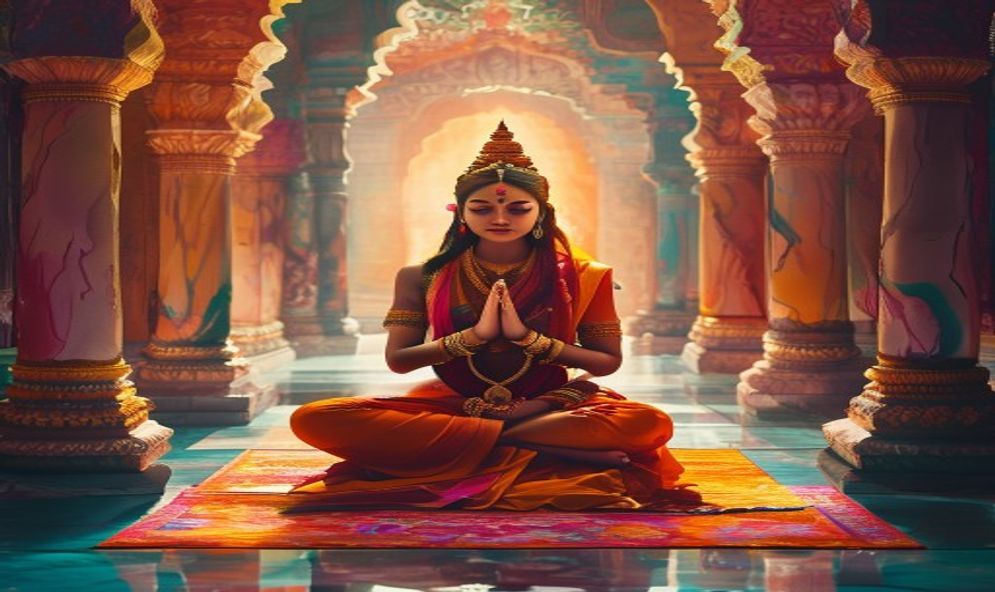
Guru Purnima - Vyasa Purnima, Honoring the Spiritual Teacher
Guru Purnima, also known as Vyasa Purnima, is a sacred day dedicated to honoring spiritual teachers and gurus. Celebrated on the full moon day (Purnima) of the Ashadha month (June-July), this festival has deep roots in the guru-shishya (teacher-disciple) tradition that has been the foundation of Indian education and spiritual transmission for thousands of years. The word guru is composed of two syllables - gu, meaning darkness, and ru, meaning remover. A guru is therefore one who removes the darkness of ignorance and illuminates the path of knowledge. On this day, devotees express their gratitude to their gurus, seek their blessings, and renew their commitment to the path of spiritual growth. The festival is observed by Hindus, Buddhists, and Jains alike, reflecting the universal respect for teachers in Indian traditions.
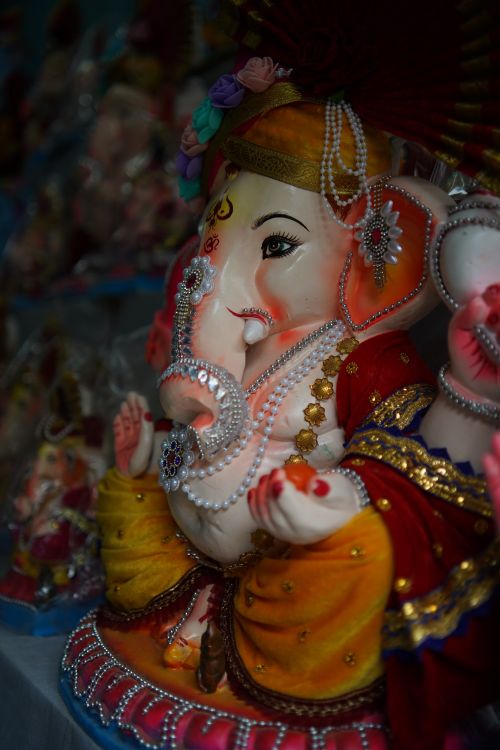
Vyasa Purnima - The Birth of Ved Vyasa
Guru Purnima is also called Vyasa Purnima because it marks the birthday of Ved Vyasa, the legendary sage who is considered the first and greatest guru in Hindu tradition. Ved Vyasa is credited with compiling the four Vedas, composing the Mahabharata, writing the Brahma Sutras, and organizing the Puranas. He is the author of the Mahabharata, which contains the Bhagavad Gita, and is considered the guru of all gurus. The word Vyasa means compiler or divider - he divided the single eternal Veda into four parts (Rig, Yajur, Sama, Atharva) to make them accessible to humanity. He also created the system of Itihasa (epic history) and Purana (ancient lore) to transmit spiritual knowledge through stories that people could understand and relate to.
The sage Vyasa is not just a historical figure but an archetype of the guru. He is depicted as a wise old man with a flowing white beard, seated in meditation, with the Vedas and the Mahabharata as his companions. According to tradition, Vyasa is still alive and will remain on earth until the end of Kali Yuga, guiding sincere seekers. His ashram at Badrinath in the Himalayas is a pilgrimage site where devotees seek his blessings. On Guru Purnima, special pujas are performed in honor of Ved Vyasa, and the Vyasa Ashtottara Shatanamavali (108 names of Vyasa) is chanted. The saint is also called Veda Vyasa, Krishna Dwaipayana (dark-skinned island-born), and Parasharya (son of Parashara).
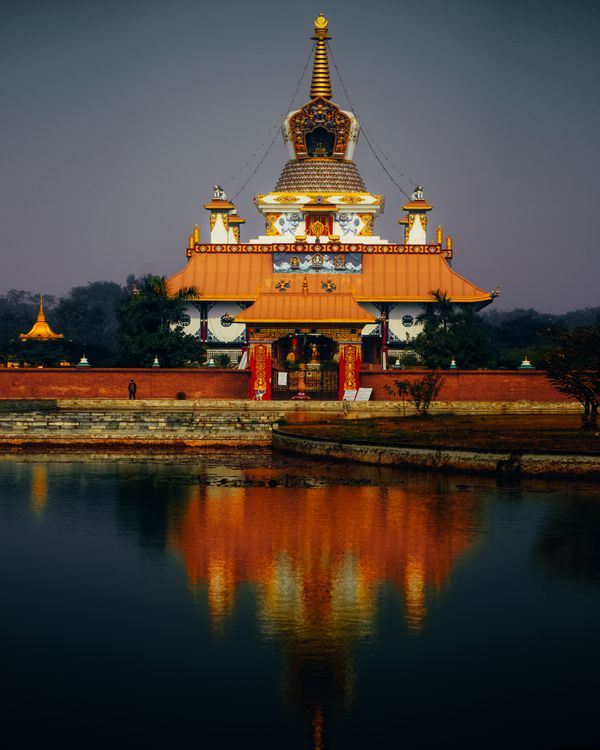
The Guru-Shishya Tradition in India
The guru-shishya tradition is the backbone of Indian civilization. In ancient India, education was imparted in gurukuls - residential schools where students lived with their guru, serving him and learning from him in an immersive environment. The relationship between guru and shishya was not just academic but deeply personal and spiritual. The guru took responsibility for the physical, mental, intellectual, and spiritual development of the student. The student, in turn, offered complete dedication, service, and obedience to the guru. This tradition produced some of the greatest minds in human history - Panini (grammar), Aryabhata (mathematics and astronomy), Sushruta (surgery), Charaka (medicine), and countless others.
The guru-shishya relationship is based on the principle that true knowledge cannot be transmitted through books and lectures alone. It requires direct transmission from teacher to student, a transfer of wisdom that happens at the subtle level through presence, example, and grace. The guru does not just teach information but transforms the consciousness of the student. In the Upanishads, we find beautiful examples of this relationship - the student approaches the guru with humility, carrying firewood as a symbol of willingness to serve, and asks the profound questions about the nature of reality. The guru, seeing the student readiness, imparts the highest knowledge. This tradition of oral transmission ensured that knowledge was preserved in its purity from generation to generation.
The Importance of Guru in Spiritual Path
In Sanatan Dharma, the guru is considered essential for spiritual progress. The scriptures repeatedly emphasize that without a guru, spiritual attainment is impossible. The Guru Gita, a sacred text from the Skanda Purana, declares that the guru is Brahma (the creator), Vishnu (the preserver), and Maheshwara (the destroyer) - the guru embodies all divine aspects. The guru is the bridge between the individual soul and the universal consciousness. The guru helps the disciple navigate the complexities of the spiritual path, warns against pitfalls, and provides the necessary guidance at each stage of development. The relationship with the guru is considered so sacred that it is said that even the gods envy those who have found a true guru.
The guru provides three essential things. First, the guru gives diksha (initiation), which opens the door to spiritual practice. Second, the guru provides shiksha (teaching), which imparts knowledge and methodology. Third, the guru offers anugraha (grace), which is the divine blessing that accelerates spiritual progress. The guru is not to be worshiped as God but as the living representative of God. The famous saying in the Guru Gita states: Guru Brahma, Guru Vishnu, Guru Devo Maheshwara, Guru Sakshat Param Brahma, Tasmai Shri Gurave Namah - meaning the guru is Brahma, Vishnu, and Shiva, and indeed the supreme Brahman itself. This profound reverence for the guru is the foundation of the guru-shishya tradition.
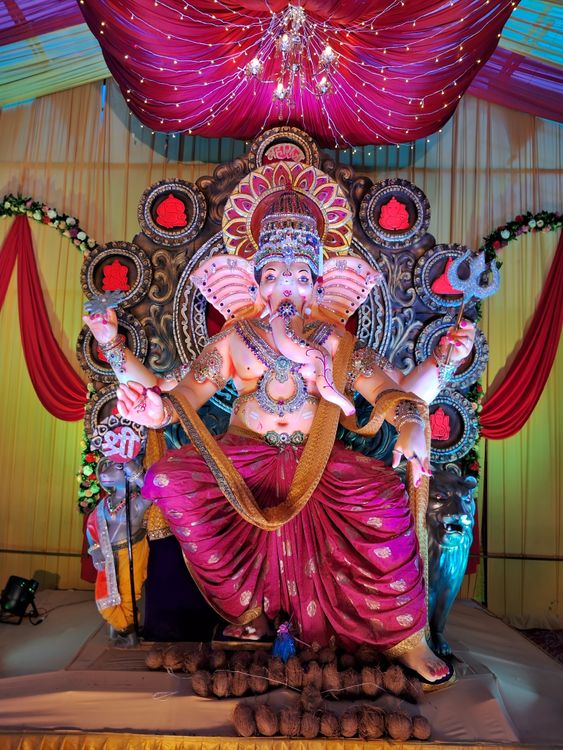
How to Celebrate Guru Purnima
Guru Purnima is celebrated with devotion and gratitude across India. The day begins with a bath and wearing clean clothes. Devotees visit their gurus ashrams or homes to offer puja and seek blessings. The puja involves offering flowers, fruits, incense, and a lamp to the guru or a picture of the guru. The guru paduka (wooden sandals) are worshiped as a symbol of the guru presence. The Guru Mantra - Om Guram Brahma, Guram Vishnu, Guram Devo Maheshwara, Guram Sakshat Param Brahma, Tasmai Shree Gurave Namah - is chanted 108 times. A special havan (fire ceremony) may be performed. Devotees fast until lunch and then partake in a feast prepared in honor of the guru. Reading from the Guru Gita or listening to discourses on the importance of the guru is also a common practice.
Those who cannot physically visit their guru can celebrate at home. Set up a clean space with a picture or idol of your guru. Light a lamp and incense. Offer fresh flowers and fruits. Chant the Guru Stotram or any other prayer dedicated to the guru. Spend time in meditation, reflecting on the teachings you have received from your guru. Write down the lessons you have learned and the changes you have experienced through your guru guidance. Make a commitment to deepen your practice and to embody the teachings in your daily life. Send a message or make a call to express your gratitude if you have a living guru. The most important aspect of Guru Purnima is the feeling of gratitude - the recognition that without the guru, we would be lost in the darkness of ignorance.
Famous Guru Lineages in India
India has a rich history of guru lineages that have preserved and transmitted spiritual knowledge for millennia. The Advaita Vedanta tradition, established by Adi Shankaracharya, has four cardinal mathas (monasteries) at Sringeri, Dwarka, Puri, and Badrinath, each headed by a Shankaracharya who continues the lineage. The Bhakti movement produced great gurus like Ramananda, Kabir, Mirabai, Tulsidas, and Chaitanya Mahaprabhu, who taught that devotion (bhakti) is the highest path to God. The Sikh tradition began with Guru Nanak and continued through a lineage of ten gurus. The Nath tradition, associated with Gorakhnath and Matsyendranath, has preserved the practices of Hatha Yoga and Tantra. The Ramakrishna tradition, established by Ramakrishna Paramahamsa and systematized by Swami Vivekananda, has spread Vedanta philosophy worldwide.
The guru-shishya lineage is not limited to spiritual traditions. In Indian classical music, the gharanas (musical lineages) are passed from guru to shishya. The Maihar gharana, the Gwalior gharana, and the Jaipur gharana are examples of musical traditions preserved through direct transmission. In dance, the Kathak and Bharatanatyam traditions are maintained through guru-shishya parampara. In yoga, the Krishnamacharya lineage has produced some of the most influential yoga teachers in the modern world. These lineages demonstrate that the guru-shishya model is not a relic of the past but a living tradition that continues to produce genuine masters in various fields.
Stories of Guru Devotion - Ekalavya and Arjuna
The story of Ekalavya is one of the most powerful examples of guru devotion in Indian literature. Ekalavya was a tribal boy who wanted to learn archery from the great guru Dronacharya. Dronacharya, who taught only the royal princes of Hastinapura, refused to accept Ekalavya as a student. Undeterred, Ekalavya made a clay idol of Dronacharya, placed it in a forest clearing, and began practicing before the idol with complete devotion, considering the clay image as his guru. Through his unwavering dedication, Ekalavya became a master archer, surpassing even Arjuna in skill. When Dronacharya discovered this, he asked Ekalavya for his right thumb as guru dakshina (offering to the teacher). Without hesitation, Ekalavya cut off his thumb and offered it to his guru, accepting that his guru request was also a teaching in disguise. This story illustrates the highest ideal of guru devotion - complete faith, dedication, and surrender to the guru, even in the face of apparent cruelty.
Arjuna, the greatest archer among the Pandavas, also exemplified the ideal student. He approached Dronacharya with humility and focus. While his fellow students were distracted, Arjuna practiced in the dark to master his skills. When Dronacharya asked Arjuna what he would do if attacked from behind, Arjuna replied that he would shoot an arrow at the enemy, demonstrating his complete focus and martial readiness. Arjuna total dedication to his guru and his practice made him the world greatest archer. Later, when Arjuna faced the ultimate crisis on the battlefield of Kurukshetra, it was his relationship with his guru Krishna that saved him. The Bhagavad Gita is a testament to the guru-shishya relationship - Krishna, as the guru, removes Arjuna ignorance and guides him to right action.
Relevance of the Guru in Modern Times
In the modern world, where information is available at our fingertips through the internet, the role of the guru might seem outdated. However, information is not knowledge, and knowledge is not wisdom. A guru provides what no amount of online content can offer - personalized guidance, energetic transmission, and the accountability of a living relationship. In a world of information overload, the guru helps us filter what is important and relevant for our individual journey. The guru provides a stable reference point in the chaos of modern life. Many people today are rediscovering the value of having a spiritual teacher, mentor, or guide who can provide direction and support on the path of self-development.
Even in secular contexts, the guru principle is recognized. Sports coaches, music teachers, yoga instructors, and business mentors all play a guru-like role in their students lives. The ancient wisdom of the guru-shishya tradition can be applied in modern education as well - the importance of the teacher-student relationship, the value of immersive learning, and the role of personalized guidance. On Guru Purnima, we honor all those who have guided us - our spiritual teachers, our school teachers, our parents (who are our first gurus), and anyone who has shared wisdom with us. The festival reminds us that learning is a lifelong process and that we are all both students and teachers in the journey of life.
Guru Purnima is a day of profound gratitude and renewed commitment. It is an opportunity to acknowledge the debt we owe to those who have illuminated our path. The guru is the most precious gift on the spiritual journey - without the guru, the path is dark and uncertain. With the guru, even the most difficult obstacles become surmountable. On this sacred day, let us bow in gratitude to the guru who has shown us the way. Let us honor the tradition that has preserved this wisdom for millennia. And let us commit to passing on the light of knowledge to future generations. Guru Brahma, Guru Vishnu, Guru Devo Maheshwara, Guru Sakshat Param Brahma, Tasmai Shri Gurave Namah. Om Shanti.