Goddess Lakshmi: Wealth and Prosperity
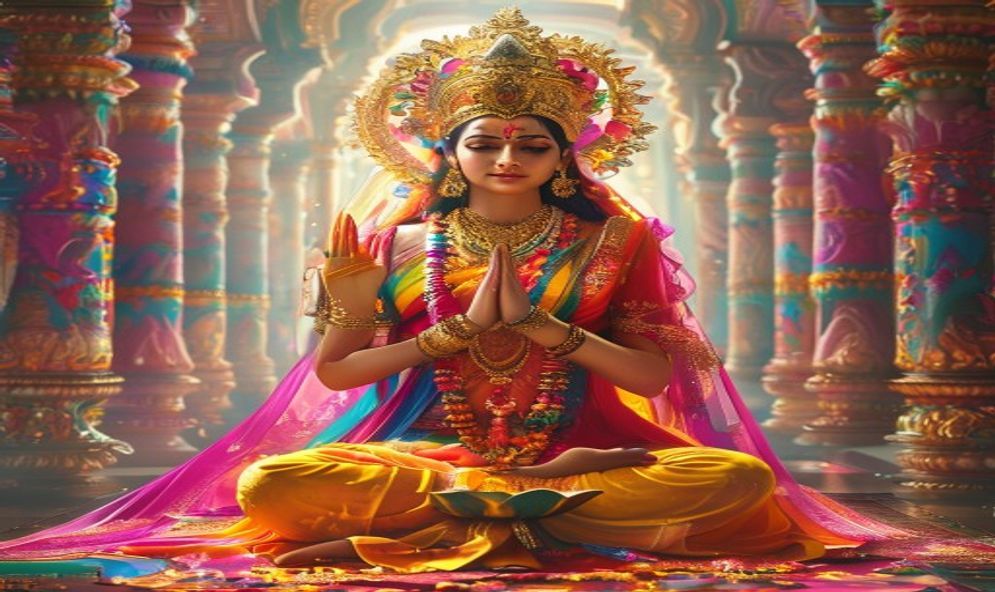
Goddess Lakshmi - Devi of Wealth and Prosperity
Goddess Lakshmi, also known as Maa Lakshmi, is the divine consort of Lord Vishnu and the goddess of wealth, prosperity, fortune, and abundance. In Sanatan Dharma, Lakshmi represents not just material wealth but also spiritual prosperity - the richness of the soul. She is worshiped in homes and businesses across India, especially during Diwali when Lakshmi Pujan is performed with great devotion. The word Lakshmi is derived from the Sanskrit root Laks, meaning to perceive or observe. She is the goddess who helps us perceive the abundance that already exists in our lives. Her presence brings aishwarya (wealth), samriddhi (prosperity), and sukh (happiness) to her devotees.
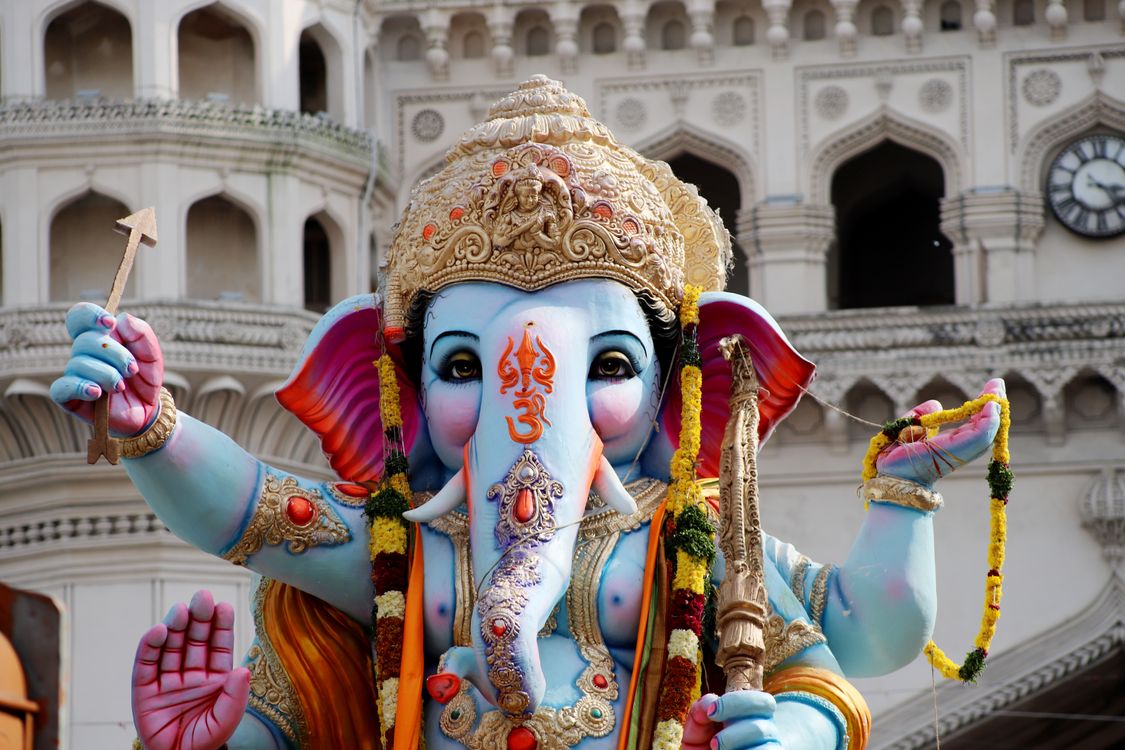
The Birth of Lakshmi - Samudra Manthan
Goddess Lakshmi appeared during the Samudra Manthan, the great churning of the cosmic ocean. The devas (gods) and asuras (demons) churned the ocean of milk to obtain the amrita, the nectar of immortality. As they churned Mount Mandara with the serpent Vasuki, many divine treasures emerged. Among them was Goddess Lakshmi herself, radiant and beautiful, seated on a fully bloomed lotus. When she appeared, all the gods and demons were captivated by her divine beauty. She chose Lord Vishnu as her consort and settled on his chest, giving him the name Narayan, the abode of Lakshmi. This story teaches us that true prosperity emerges from effort and cooperation, and that wealth is divine when it serves the greater good.
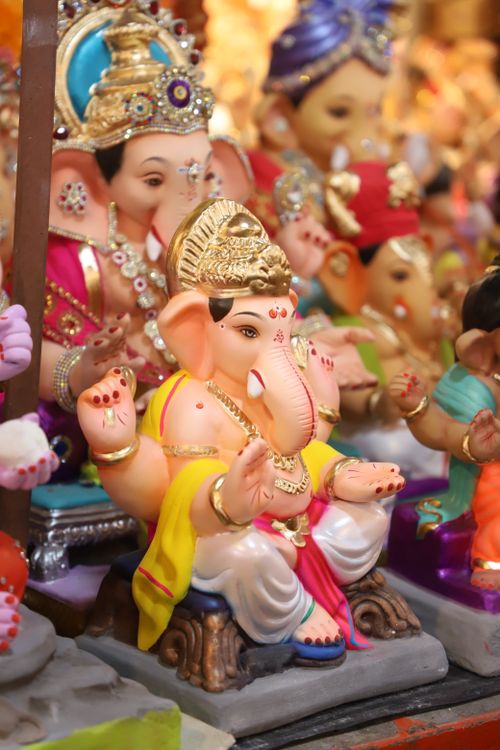
Ashtalakshmi - The Eight Forms of Lakshmi
Goddess Lakshmi manifests in eight primary forms, collectively known as Ashtalakshmi. Each form represents a different aspect of prosperity. Adi Lakshmi is the primordial form, the eternal goddess who resides with Vishnu in Vaikuntha. Dhana Lakshmi is the giver of material wealth and financial abundance. Dhanya Lakshmi provides agricultural wealth, grains, and nourishment. Gaja Lakshmi is the goddess of royal wealth, depicted with elephants showering water, symbolizing power and authority. Santana Lakshmi blesses devotees with children and the prosperity of family. Veera Lakshmi grants courage and strength to overcome obstacles. Vijaya Lakshmi bestows victory and success in all endeavors. Vidya Lakshmi confers knowledge, wisdom, and learning.
Each of these eight forms can be worshiped individually depending on the specific needs of the devotee. During Navratri, the Ashtalakshmi are honored on different nights. The Ashtalakshmi Stotram, composed by the sage Vashishtha, is a powerful hymn that invokes all eight forms. Devotees who chant this hymn with faith experience prosperity in all aspects of their lives. The eight forms remind us that true wealth is multi-dimensional - it includes not just money but also family, knowledge, courage, victory, nourishment, and spiritual abundance.
Symbols of Lakshmi - Gold Coins and Lotus
Goddess Lakshmi is always depicted with two primary symbols - gold coins and the lotus flower. The gold coins flowing from her palm represent material abundance and the wealth that supports a comfortable life. The lotus, on which she sits, represents spiritual purity and the ability to remain untouched by worldly attachments. The lotus grows in muddy water but remains pure and beautiful - similarly, Lakshmi teaches us to live in the world without being contaminated by it. The lotus also represents the unfolding of spiritual consciousness, with each petal representing a different aspect of divine prosperity.
Lakshmi association with the lotus is so deep that she is called Padma, Padmalaya (one who dwells in the lotus), and Padmahasta (one who holds a lotus). The elephants that often accompany her, called Gaja Lakshmi, pour water from pots, representing the continual flow of prosperity. The red saree she wears symbolizes activity and the dynamic energy of creation. The gold ornaments she wears represent the refinement that comes through spiritual practice. Every element of Lakshmi iconography carries deep symbolic meaning that guides the devotee toward true prosperity.
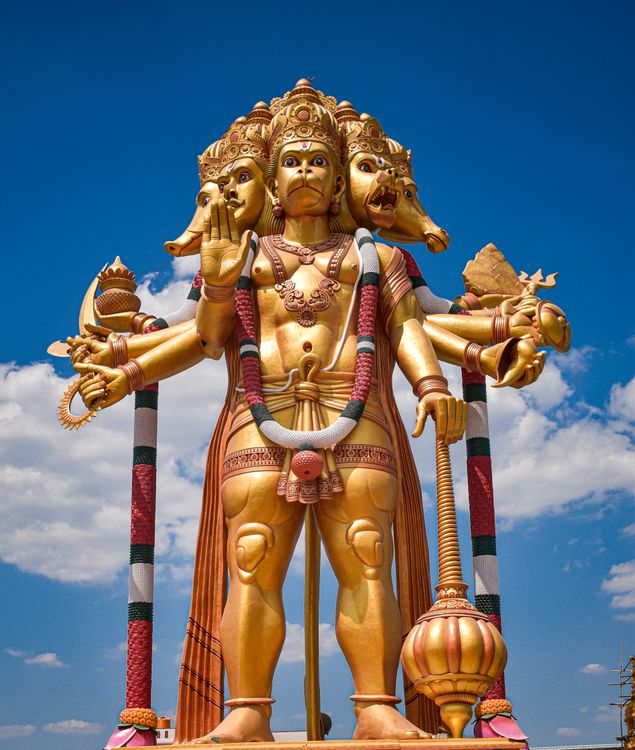
Kubera Connection - The God of Wealth
Kubera is the god of wealth and the treasurer of the gods, ruling over the Yaksha kingdom. He is closely associated with Goddess Lakshmi. According to the Puranas, Kubera was a devotee of Shiva who received the blessing of being the guardian of all treasures. However, Kubera wealth is considered finite and worldly, while Lakshmi wealth is infinite and divine. In Lakshmi Pujan rituals, Kubera is also worshiped alongside Lakshmi, as he represents the management and preservation of wealth. The combination of Lakshmi and Kubera in worship symbolizes both the acquisition and wise stewardship of prosperity.
Diwali Lakshmi Pujan Vidhi
The most important worship of Goddess Lakshmi takes place on Amavasya during Diwali, known as Lakshmi Pujan. The puja vidhi begins with cleaning and decorating the home. Rangoli is drawn at the entrance to welcome the goddess. A special kalash (pot) is filled with water and topped with mango leaves and a coconut. A Lakshmi idol or picture is placed on a clean platform covered with a red cloth. The puja involves offering flowers, incense, lamps, fruits, and sweets to the goddess. The most important offering is of five types of sweets and five types of fruits. The Lakshmi Ashtottara Shatanamavali (108 names) is chanted. After the puja, the family lights diyas throughout the house and keeps the doors open so that Lakshmi can enter.
During the puja, devotees pray to Lakshmi to enter their homes and bless them with prosperity. It is believed that on this night, Lakshmi visits every home that is clean and well-lit. The sound of bells, the fragrance of incense, and the glow of diyas create an atmosphere that attracts positive energy. Business people perform special Lakshmi Pujan in their offices and shops, closing their old account books and opening new ones. This tradition, called Chopda Pujan, is particularly observed in western India. The entire family participates in the rituals, and after the puja, prasad is distributed to everyone.
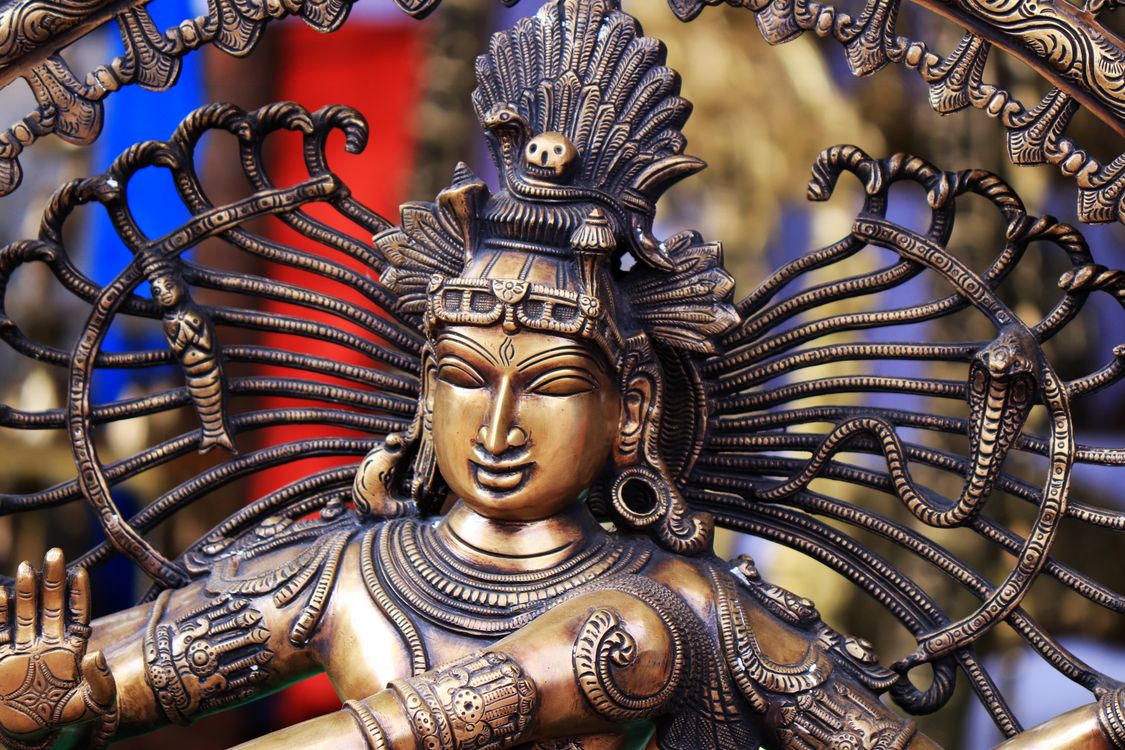
How to Invite Lakshmi into Your Home
Inviting Goddess Lakshmi into your home requires both external cleanliness and internal purity. Keep your home clean and organized, especially the entrance and the prayer room. Light a lamp every evening - the lamp is said to be Lakshmi favorite form. Apply a tilak of kumkum and rice at the entrance. Keep a small Lakshmi idol or picture in a clean place and offer fresh flowers daily. Chant the Lakshmi mantra daily: Om Shreem Mahalakshmyai Namah. This beeja mantra activates the energy of abundance. Donate food and clothes to the needy, as charity is the highest form of Lakshmi worship. Speak truthfully and treat others with respect, as Lakshmi resides where there is harmony. Avoid争吵 (argument) and negative speech, as these drive Lakshmi away.
Goddess Lakshmi is not just a deity to be worshiped once a year - she is a living energy that can be invited into every aspect of our lives. By understanding her symbols, honoring her forms, and following the principles she represents, we can experience true prosperity - the wealth of love, health, knowledge, and spiritual fulfillment. May Maa Lakshmi bless your home with abundance and joy.