Fire Safety in Hotels and Restaurants: Protecting Guests and Staff
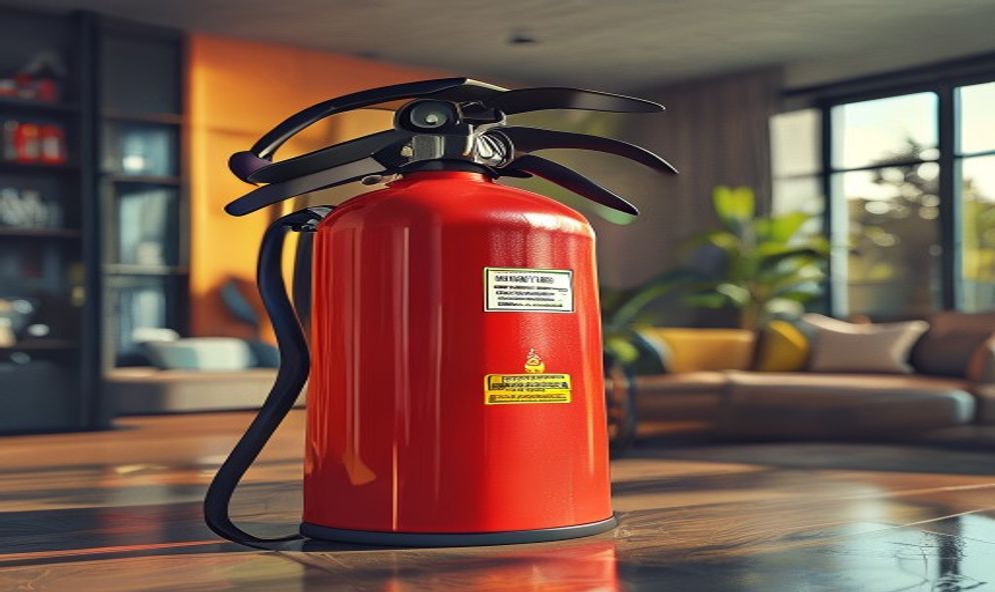
Fire Safety in Hotels and Restaurants: Protecting Guests and Staff
Hotels and restaurants face unique fire safety challenges. Hotels must protect guests who may be sleeping and unfamiliar with the building layout. Restaurants have high-fire-risk commercial kitchens operating at peak hours. Both types of businesses serve large numbers of people and have a legal and moral responsibility to ensure their safety. In India, several tragic hotel and restaurant fires have underscored the importance of comprehensive fire safety measures in the hospitality industry.

Fire Safety Requirements for Hotels
Hotels in India must comply with strict fire safety regulations. The requirements vary based on the hotel classification and height. Star-category hotels must meet higher standards. Key requirements include automatic fire detection and alarm systems throughout the building, including guest rooms, corridors, and service areas. Sprinkler systems are mandatory in hotels above 15 meters height and in all star-category hotels. Fire extinguishers must be placed on every floor, in corridors, near exits, and in high-risk areas like kitchens and boiler rooms. Emergency exit signage and lighting must guide guests to safety. Fire doors with self-closing mechanisms must separate guest room corridors from stairwells. A fire control room with a dedicated communication system should monitor all fire safety systems. Public address systems capable of broadcasting emergency announcements to all rooms are essential. Hotels must have a written fire safety plan approved by the local fire department.
Fire Safety in Hotel Guest Rooms
Guest rooms present specific fire safety considerations. Each room should have a smoke detector that is interconnected to the building fire alarm system. A fire extinguisher should be available on each floor, not necessarily in each room. Emergency evacuation instructions should be posted on the back of each guest room door. Instructions should show the floor plan with evacuation routes and the location of fire exits. Flashlights should be provided in each room for power failure situations. Balcony doors should not be locked to prevent guests from being trapped. Window grilles, if present, must have internal release mechanisms. Housekeeping staff should be trained to identify fire hazards such as smoking in bed or overloaded electrical sockets.
Restaurant Kitchen Fire Suppression
Commercial restaurant kitchens are high-risk fire areas. Installing an automatic fire suppression system over cooking equipment is essential. These systems use wet chemical agents specifically designed for cooking oil fires. When the system activates, it simultaneously shuts off the gas or electrical supply to the cooking equipment. The system should be professionally inspected and serviced every six months. In addition to the suppression system, restaurant kitchens must have Class K wet chemical fire extinguishers within easy reach. Fire blankets should be mounted near cooking areas for smothering small fires. The kitchen exhaust hood and ductwork must be cleaned regularly to prevent grease buildup, which is a major fire hazard. Deep fryers should have automatic shutoff controls that activate if the oil temperature exceeds safe limits.
Hotel Evacuation Planning
Hotels must have a comprehensive evacuation plan that accounts for guests who may be sleeping, unfamiliar with the building, or have disabilities. The plan should include both horizontal evacuation (moving guests to a safe area on the same floor) and vertical evacuation (using staircases). Staff must be trained on their specific roles during an evacuation, including searching guest rooms to ensure all guests have evacuated, assisting guests with disabilities, guiding guests to the nearest exit, closing doors behind them to contain the fire, and meeting arriving fire trucks to direct firefighters. Fire drills should be conducted at least twice a year and should include night shift staff. Guest room doors should have self-closing mechanisms and should never be propped open, as they are critical fire barriers.
Fire Safety Training for Hospitality Staff
All hotel and restaurant staff must receive fire safety training. Training should be provided at the time of hiring and refreshed annually. Topics should include the RACE protocol (Remove, Alert, Confine, Extinguish/Evacuate), how to use a fire extinguisher using the PASS technique, how to activate the fire alarm, how to guide guests to safety, evacuation procedures for their specific department, how to assist guests with disabilities, the location of fire exits, extinguishers, and alarm points, and how to use the public address system for emergency announcements. Front desk staff should know how to call the fire department and what information to provide. Kitchen staff should have specialized training on kitchen fire suppression systems and handling oil fires. Security staff should know how to coordinate with arriving firefighters.
Fire Safety Compliance for the Hospitality Industry
Hotels and restaurants in India must obtain a fire NOC from the local fire department. Compliance inspections are conducted regularly. Failure to maintain compliance can result in fines, closure, and legal liability in case of a fire. Insurance companies also require fire safety compliance for coverage. Hospitality businesses should maintain a detailed fire safety log documenting all inspections, maintenance, training, and drills. Annual fire safety audits by certified agencies are recommended. Oust Fire provides comprehensive fire safety solutions for the hospitality industry, including equipment supply, installation, maintenance, and staff training programs.
Fire Safety for Hotel Banquets and Events
Banquet halls and event spaces in hotels have additional fire safety considerations because of the large number of people they accommodate. Ensure the occupancy load is not exceeded. Keep all exit routes clear of decorations, furniture, and temporary structures. Use fire-retardant materials for decorations, curtains, and table linens. Ensure temporary electrical installations for events are done by qualified electricians. Keep fire extinguishers visible and accessible during events. Brief event organizers on emergency procedures. Ensure all exits remain unlocked during events. Do not block exit doors with stages, podiums, or buffet tables.
The hospitality industry has a special responsibility for fire safety because of the large number of people it serves. Protect your guests, staff, and business with comprehensive fire safety solutions from Oust Fire.
Also read: Fire Safety in Hospitals and Commercial Fire Safety Guide.