Diwali: The Festival of Lights Significance
Diwali - Deepavali, The Festival of Lights
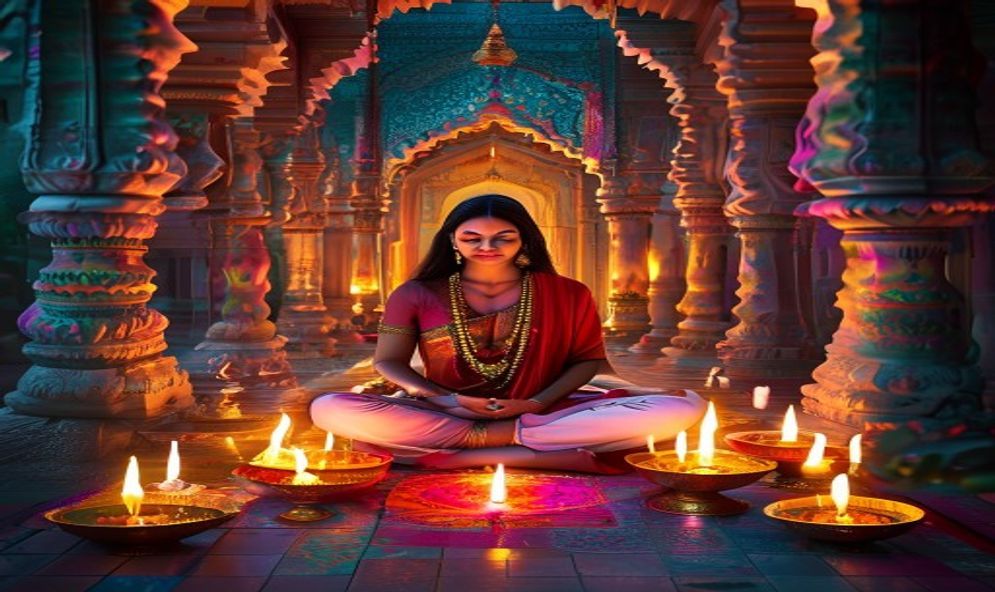
Diwali, also known as Deepavali, is the most celebrated festival in India and among Hindus worldwide. The word Deepavali literally means a row of lamps - deep means lamp and avali means row. This five-day festival symbolizes the victory of light over darkness, good over evil, and knowledge over ignorance. The festival carries deep spiritual significance and is associated with numerous mythological stories, regional traditions, and family celebrations. Diwali is not just a festival - it is an experience that engages all five senses, from the sound of firecrackers to the taste of sweets, from the sight of illuminated homes to the smell of incense and the feel of new clothes. It is a time when families come together, when homes are cleaned and decorated, and when the divine presence of Maa Lakshmi is invited into every household.
The Five Days of Diwali
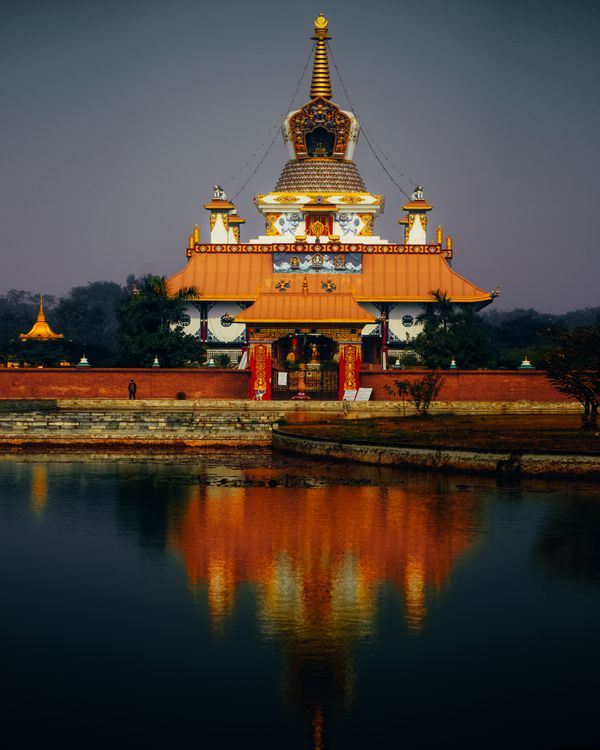
The festival of Diwali is celebrated over five days, each with its own significance and rituals. The first day is Dhanteras, which falls on the thirteenth day of the dark fortnight of Kartik. Dhanteras is dedicated to wealth and prosperity. On this day, people buy gold, silver, or new utensils as a symbol of good fortune. The word Dhan means wealth and Teras means thirteenth. It is believed that on this day, Dhanvantari, the god of Ayurveda, emerged from the Samudra Manthan carrying the pot of amrita. In the evening, a special puja is performed for Dhanvantari and Lakshmi. Homes are thoroughly cleaned and decorated with rangoli at the entrance. It is considered highly auspicious to make purchases on this day.
The second day is Narak Chaturdashi, also known as Choti Diwali. This day commemorates the victory of Lord Krishna over the demon Narakasura. Krishna, along with his wife Satyabhama, killed Narakasura and freed the 16,000 captive princesses. On this day, people wake up before sunrise and take an oil bath with fragrant herbs. This ritual bath, called Abhyanga Snan, is believed to cleanse both body and soul. After the bath, new clothes are worn, and diyas are lit in the evening. The third day is the main Diwali festival, Lakshmi Pujan on the new moon night (Amavasya). This is the most important day when Goddess Lakshmi is worshiped, and the entire night is illuminated with lamps.
The fourth day is Govardhan Puja, which commemorates Krishna lifting the Govardhan hill to protect the people of Vrindavan from Indra torrential rains. On this day, a mountain of food (Annakut) is prepared and offered to Krishna. In Maharashtra, this day is also celebrated as Bali Pratipada, honoring the demon king Bali, who was granted the boon of visiting earth once a year. The fifth and final day is Bhai Dooj, dedicated to the bond between brothers and sisters. Sisters apply tilak on their brothers foreheads and pray for their long life. Brothers give gifts to their sisters. This day is similar to Raksha Bandhan in its emphasis on sibling love and protection.
Ram Return to Ayodhya
The most widely accepted significance of Diwali is the return of Lord Rama to Ayodhya after 14 years of exile and his victory over the demon king Ravana. When Rama, Sita, and Lakshmana returned to Ayodhya, the citizens welcomed them by lighting rows of diyas (lamps) throughout the city. The sky was filled with the glow of lamps, the streets were decorated with flowers, and the entire city celebrated with joy. This event symbolizes the return of righteousness (dharma) and the victory of good over evil. For Hindus, Diwali is a reminder that no matter how long the darkness lasts, light will eventually prevail. Ram life teaches us to uphold dharma even in the most difficult circumstances, and his return home is celebrated as the homecoming of divine grace.
Lakshmi Pujan Vidhi
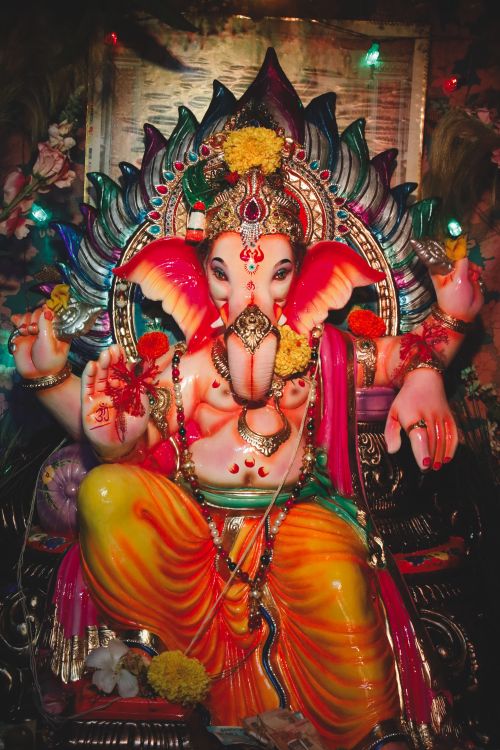
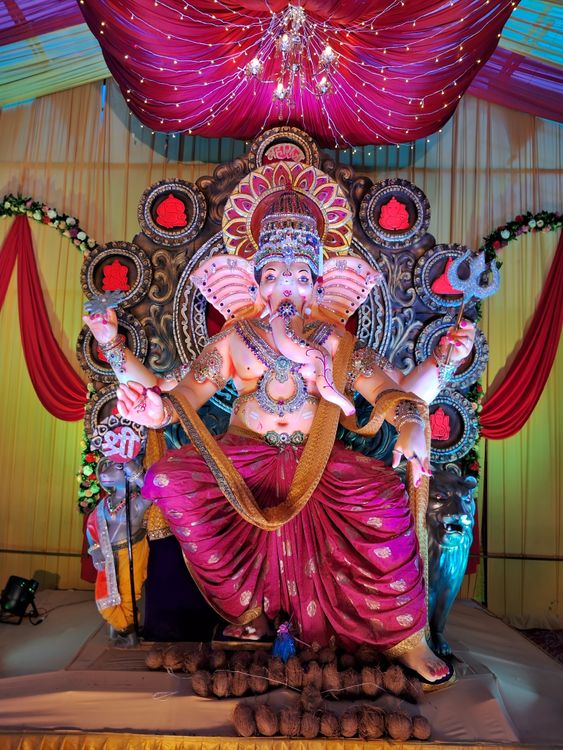
The central ritual of Diwali is the Lakshmi Pujan performed on Amavasya. The puja is typically conducted in the evening after sunset. A clean platform is set up in the prayer room or a designated area of the home. A red cloth is spread, and an idol or picture of Goddess Lakshmi is placed on it. Lord Ganesha is also worshiped alongside Lakshmi, as he is the remover of obstacles. The puja begins with the purification of the space and the self. A kalash (metal pot) filled with water, rice, and a coin is placed, representing abundance. The idol is bathed with panchamrita (milk, yogurt, honey, ghee, and sugar), then cleaned with water. New clothes are offered to the idol. Flowers, particularly red roses and marigolds, are offered. Incense sticks and ghee lamps are lit.
The most important part of the puja is the chanting of the Lakshmi mantras and the 108 names of Lakshmi. After the mantras, aarti is performed with a lit lamp while singing the Lakshmi Aarti. The family then offers sweets, fruits, and coconuts as prasad. After the puja, the family performs the ritual of lighting diyas throughout the home - at the entrance, in every room, in the courtyard, and on the windowsills. It is believed that Lakshmi visits homes that are brightly lit and well-decorated. The doors are left open so that the goddess can enter freely. After the puja, families gather for a feast of traditional sweets like ladoos, barfis, and gulab jamuns.
Diyas, Rangoli and Fireworks - Their Significance
Diyas (earthen lamps) are the most iconic symbol of Diwali. Lighting a diya is not just a decorative act - it is a spiritual practice. The lamp represents the inner light that dispels the darkness of ignorance. The oil represents positive thoughts, and the wick represents the focused mind. Lighting a diya is an offering to the divine, asking for illumination and wisdom. Rangoli, the colorful patterns drawn at the entrance of homes, serves both aesthetic and spiritual purposes. The geometric patterns and floral designs are believed to attract positive energy and welcome Lakshmi into the home. The colors used in rangoli - red, yellow, green, orange - each have symbolic meanings representing energy, prosperity, nature, and spirituality.
Regional Variations of Diwali
Diwali is celebrated differently across India regions. In North India, the focus is on Ram return to Ayodhya, and the festival includes grand firework displays. In West Bengal and the Northeast, Diwali coincides with Kali Puja, where Goddess Kali is worshiped with great fervor. In Gujarat, Diwali is associated with the new year and business communities perform Chopda Pujan, closing old accounts and opening new ledgers. In South India, Deepavali is celebrated on Narak Chaturdashi with an early morning oil bath and the bursting of firecrackers. In Maharashtra, the festival includes the traditional ritual of eating festive sweets, and the Govardhan Puja features elaborate food offerings. In Punjab, Diwali is celebrated alongside Bandi Chhor Divas, commemorating the release of Guru Hargobind ji from imprisonment.
Eco-Friendly Diwali Tips
In recent years, there has been a growing awareness about the environmental impact of traditional Diwali celebrations, particularly fireworks. An eco-friendly Diwali focuses on the spiritual essence of the festival rather than material excess. Use clay diyas instead of electric lights - they are biodegradable and support local potters. Use natural colors for rangoli made from flower petals, rice flour, and turmeric instead of chemical powders. Avoid high-decibel firecrackers that cause noise and air pollution. Instead, celebrate with family games, storytelling, and cultural performances. Gift plants or organic products instead of plastic items. Donate to charities and help those in need, following the true spirit of the festival. An eco-friendly Diwali is not less joyful - it is more meaningful because it celebrates life in harmony with nature.
Diwali is a festival that transcends religious boundaries and speaks to the universal human longing for light, hope, and new beginnings. It is a time to forgive, to forget, to clean our homes and our hearts, and to invite divine blessings into our lives. Whether you celebrate it as the return of Ram, the worship of Lakshmi, or simply as a festival of lights, Diwali carries a message that is relevant to everyone - light will always overcome darkness, and good will always triumph over evil. Wishing you a very Happy Diwali!