Difference Between Ashadi and Kartiki Ekadashi
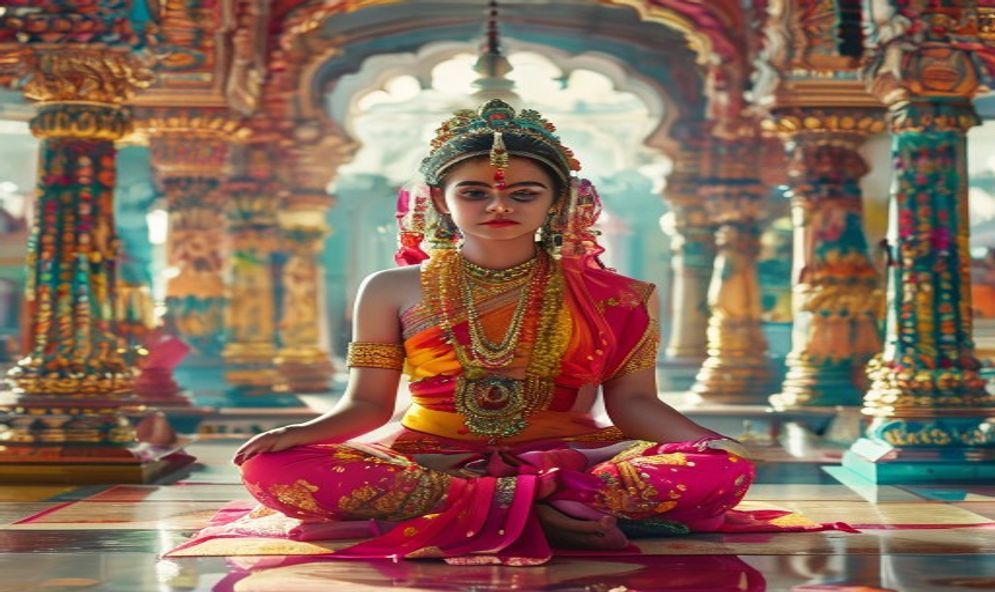
Ashadi Ekadashi vs Kartiki Ekadashi - Understanding the Two Great Ekadashis
The Hindu calendar is filled with sacred days, but among the 24 Ekadashis that occur each year, two stand head and shoulders above the rest: Ashadi Ekadashi and Kartiki Ekadashi. These two Ekadashis are not just regular vrat days - they are grand festivals that bring millions of devotees together in a celebration of faith.
Both are deeply connected to Lord Vitthal and the Warkari tradition, yet they are very different in their timing, rituals, and spiritual significance. For anyone beginning their journey into Vaishnavism or simply curious about Hindu traditions, understanding the difference between these two sacred days is essential.
What Is Ashadi Ekadashi?
Ashadi Ekadashi falls in the month of Ashadha (June-July) on the Shukla Paksha (bright fortnight). It marks the beginning of the Chaturmas period - the four months when Lord Vishnu goes into a deep sleep (yoga nidra) on the ocean of milk, resting on Shesha Naga.
This is the day when the annual Pandharpur Wari reaches its grand climax at the Vitthal temple. Hundreds of thousands of Warkaris walk hundreds of kilometers, carrying palanquins of their revered saints all the way to Pandharpur. The energy on this day is absolutely electric, with continuous bhajan, kirtan, and abhang sung in a torrent of devotion.
Scripturally, Ashadi Ekadashi is also called Mahalaxmi Ekadashi or Ashadha Shukla Ekadashi. According to the Padma Purana, observing this vrat with complete faith can free a person from the cycle of birth and death.
What Is Kartiki Ekadashi?
Kartiki Ekadashi falls in the month of Kartik (October-November) on the bright fortnight. This Ekadashi marks the end of Chaturmas when Lord Vishnu awakens from his four-month-long divine sleep. Also known as Prabodhini Ekadashi or Dev Uthani Ekadashi, this day is believed to be when Lord Vishnu turns over in his sleep and awakens.
This day is also deeply connected to the Warkari tradition. On this day, the grand Pandharpur Wari returns as devotees walk back to their respective villages. It is known as the Wari return journey or Kartiki Wari.
Key Differences Between Ashadi and Kartiki Ekadashi
1. Month and Seasonal Significance
Ashadi Ekadashi occurs during the monsoon season (Ashadha month). The land is green, rivers are full, and the atmosphere is charged with fresh energy from the rains. Walking in the monsoon to Pandharpur is considered highly meritorious as the body faces natural challenges.
Kartiki Ekadashi falls in the autumn season. The weather is pleasant and mild, making the return journey comfortable. The sky is clear, the air is crisp, and evenings are illuminated by Diwali lamps since Kartiki Ekadashi falls close to Diwali.
2. Significance in Vishnu's Sleep Cycle
The cycle of Lord Vishnu's sleep and awakening is the central spiritual theme distinguishing these two Ekadashis:
- Ashadi Ekadashi: Marks the beginning of Lord Vishnu's deep sleep (Sayana). He enters yoga nidra on this day.
- Kartiki Ekadashi: Marks the awakening of Lord Vishnu (Prabodhini). He turns over and wakes up from his sleep.
- Spiritual symbolism: Ashadi represents rest and inward journey; Kartiki represents awakening and outward expression.
3. Direction of Pilgrimage
- Ashadi Wari: Devotees walk toward Pandharpur. It is a journey of reaching the Lord, of culmination and devotion at its peak.
- Kartiki Wari: Devotees walk away from Pandharpur back to their homes. It is the return journey, carrying the blessings of Vitthal back to their villages and communities.
4. Ritual Differences
On Ashadi Ekadashi, the main ritual is the palanquin procession of saint Dnyaneshwar from Alandi to Pandharpur. The temple performs the grand Padanubhajan (foot-washing ceremony) of the saints' sandals.
On Kartiki Ekadashi, the rituals include Tulsi Vivah preparations, deep daan (lamp donation), and special prabodhini abhishekam (awakening bath) for the deities.
Comparative Overview
- Month: Ashadha (Jun-Jul) vs Kartik (Oct-Nov)
- Season: Monsoon vs Autumn
- Vishnu's State: Going to sleep vs Awakening
- Wari Direction: Toward Pandharpur vs Away from Pandharpur
- Key Symbolism: Surrender, devotion peak vs Renewal, new beginning
- Scriptural Name: Mahalaxmi / Ashadha Shukla vs Prabodhini / Dev Uthani
Internal Links
Explore more: Ashadi Ekadashi 2026 Complete Guide, Ashadi Ekadashi Vrat Katha, Importance of Ekadashi in Hinduism, Ashadi Ekadashi Fasting Rules for Beginners, Kartiki Ekadashi Significance.
Understanding the difference between Ashadi and Kartiki Ekadashi helps devotees deepen their practice and appreciate the beautiful rhythm of the Hindu spiritual calendar. Whether you observe one or both, may Vitthal bless your devotion with his boundless grace.