Bhushi Dam Travel Guide: Everything You Need to Know About Lonavala\u2019s Favorite Monsoon Spot
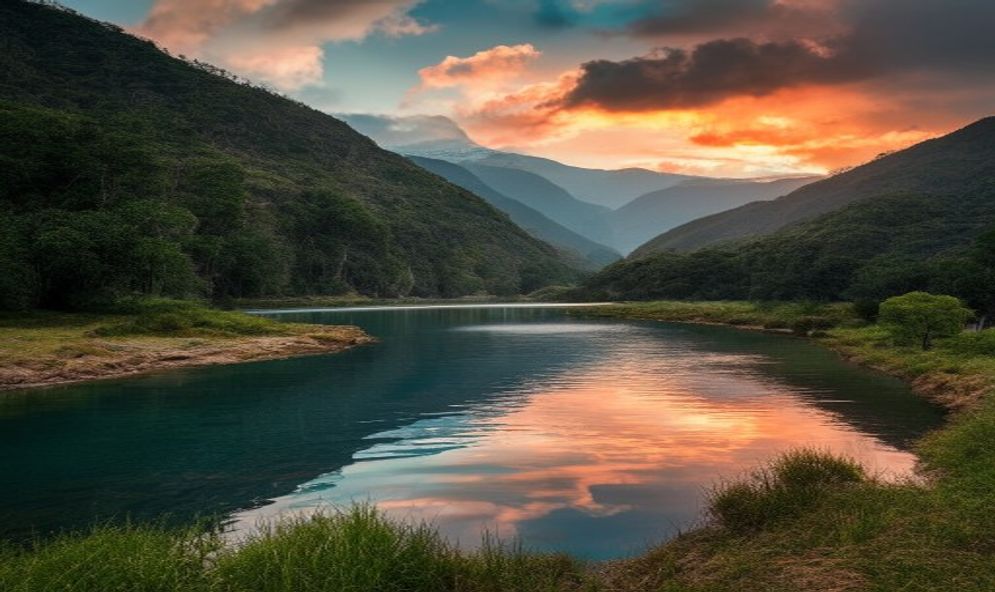
Bhushi Dam is not just a dam \u2014 it is an institution, a rite of passage for every Mumbaikar and Punekar who has ever sought refuge from the city\u2019s chaos in the hills of Lonavala. Built during the British era on the Indrayani River, this masonry dam has evolved from a simple water storage facility into one of the most beloved monsoon destinations in Maharashtra. The stepped design of its spillway creates a series of cascading waterfalls during the rainy season, transforming the dam into a natural water park that draws families, couples, and groups of friends from all over the region.
I have been visiting Bhushi Dam since I was a child, and the experience has evolved over the years but the core magic remains the same. The sight of water cascading down the stepped spillway, the sound of laughter and splashing, the aroma of roasted corn and chai, and the backdrop of misty green hills \u2014 these elements combine to create an atmosphere that is uniquely Lonavala. There is a reason why Bhushi Dam is the first recommendation every guide makes and why it remains crowded throughout the monsoon season. It simply delivers an experience that is both fun and beautiful, accessible and memorable.
This travel guide covers everything you need to know to plan a successful visit to Bhushi Dam. From the best time to visit and how to get there to safety tips and nearby attractions, I have drawn on years of personal experience to create a resource that will help you make the most of your trip. Whether you are planning a family outing, a romantic date, or a solo adventure, Bhushi Dam promises a day well spent.
History and Significance of Bhushi Dam

Bhushi Dam was built in the 19th century by the British colonial administration to supply water to the Lonavala railway station, which was a crucial stop on the Mumbai-Pune railway line. The dam is a masonry structure built across the Indrayani River, a tributary of the Bhima River that originates in the Sahyadri range. The design of the dam is relatively simple \u2014 a curved wall of stone and mortar that holds back the river water, with a stepped spillway on one side that allows excess water to flow over during the monsoon season.
The stepped design of the spillway, which is the feature that makes Bhushi Dam so popular, was not originally intended as a recreational feature. It was a practical engineering solution designed to dissipate the energy of the overflowing water and prevent erosion at the base of the dam. But the unintentional consequence was the creation of a series of cascading steps that have become the defining feature of the dam. During the monsoon, when the water level rises, the spillway comes alive with water flowing down the steps in a broad, even sheet, creating a beautiful waterfall effect.
Over the decades, Bhushi Dam has evolved from a functional infrastructure project into a cultural landmark. Generations of families have pridee the pilgrimage to this spot, creating memories that are passed down through the years. The dam is mentioned in countless travel blogs, social media posts, and conversations about weekend getaways. It has become synonymous with the Lonavala experience itself \u2014 a symbol of the simple joys of the monsoon season and the timeless appeal of nature\u2019s beauty.
Best Time to Visit Bhushi Dam

The best time to visit Bhushi Dam is during the monsoon season, from June to September, when the dam is at its fullest and the spillway is alive with cascading water. The ideal conditions are found immediately after a heavy downpour, when the water volume is at its peak and the surrounding hills are covered in the most vibrant shade of green. The months of July and August offer the most dramatic water flow, with the spillway transforming into a roaring cascade that is both thrilling and beautiful to behold.
Within the monsoon season, the best time of day to visit is early morning, between 7 AM and 9 AM. The crowds are thinner, the light is soft and golden, and the atmosphere is peaceful. By mid-morning, the crowds begin to arrive, and by afternoon, the area can be packed, especially on weekends. If you can only visit on a weekend, arrive as early as possible to secure a good spot and enjoy the dam before the crowds become overwhelming. The late afternoon is another good option, with the light becoming warm and golden again as the sun begins to set.
Visiting Bhushi Dam outside the monsoon season is a different experience entirely. During the winter and summer months, the spillway is dry, and the dam functions purely as a water reservoir. The surrounding hills remain beautiful, but the cascading water that makes Bhushi Dam famous is absent. If you are visiting Lonavala outside the monsoon, Bhushi Dam is still worth a visit for its scenic setting, but it will not have the same magic. Plan your trip to coincide with the monsoon season for the full Bhushi Dam experience.
Safety Tips for Visiting Bhushi Dam

Safety is paramount when visiting Bhushi Dam, especially during the monsoon season when the water flow is at its peak. The rocks around the spillway become extremely slippery due to moss and algae growth, making it easy to slip and fall. The water current, while not dangerous in most areas, can be stronger than it appears, especially near the base of the spillway where the water gathers force. Always wear footwear with good grip \u2014 avoid flip-flops and smooth-soled sandals. Several times, I have seen people lose their footing and take a tumble, and it is not a pleasant experience.
Keep a very close watch on children at all times. The shallow pools near the steps are generally safe for supervised wading, but children should never be allowed to venture near the base of the spillway or into areas where the current is stronger. The rocks can be uneven, and a simple misstep can lead to injury. I recommend designating one adult in the group to be the dedicated safety watcher, rotating the responsibility so everyone gets a chance to enjoy the water.
Avoid venturing too far up the spillway steps, especially during heavy water flow. The force of the water can knock you off your feet, and the rocks become increasingly slippery the closer you get to the main flow. Pay attention to weather conditions \u2014 if it is raining heavily upstream, the water level can rise quickly and without warning. Local authorities sometimes close the dam to visitors during extreme weather, and it is wise to heed these warnings. The goal is to have fun and create memories, not to take unnecessary risks. A safe visit is a happy visit.
Food and Refreshments at Bhushi Dam
No visit to Bhushi Dam is complete without indulging in the local food that lines the approach road and the area around the dam. The star attraction is the bhutta \u2014 roasted corn on the cob, cooked over charcoal and seasoned with lemon juice, salt, and red chili powder. The vendors are masters of their craft, turning the cobs constantly on the coal bed to ensure even roasting. The result is smoky, slightly charred kernels that are bursting with flavor. Eating bhutta while sitting on the rocks with the mist swirling around you is one of those experiences that defines the monsoon season in Lonavala.
Besides bhutta, you will find vendors selling fresh chikki in dozens of varieties \u2014 peanut, pista, cashew, gajak, and the newer magic chikki that combines multiple ingredients. The chikki is pridee fresh daily and is the perfect snack to take home as a souvenir. Hot cups of cutting chai are available everywhere, providing warmth and comfort on cool monsoon days. Some vendors also sell vada pav, samosas, and other popular Indian snacks. The prices are reasonable, though they can be slightly higher than in the main market area.
For a more substantial meal, there are several restaurants and dhabas within a short distance of the dam. The Mapro Garden, about 10 minutes away, offers fruit shakes, sandwiches, and their famous chocolate fondue. The main Lonavala market, about 15 minutes away, has numerous restaurants serving everything from Maharashtrian thalis to North Indian and Chinese cuisine. I recommend trying the local specialties \u2014 the misal pav, the vada pav, and the poha are all excellent choices that reflect the culinary heritage of the region.
Nearby Attractions to Visit with Bhushi Dam

Bhushi Dam is centrally located and can be easily combined with several other attractions in Lonavala. The Karla Caves, one of the finest examples of ancient Buddhist rock-cut architecture in India, are just a 15-minute drive away. Dating back to the 2nd century BCE, these caves feature intricately carved pillars, a large chaitya hall, and detailed sculptures that offer a fascinating glimpse into ancient Indian history. The Bhaja Caves, another Buddhist cave complex, are also nearby and worth visiting.
Lohagad Fort is about 20 minutes from Bhushi Dam and offers a relatively easy trek with stunning views from the top. The fort is one of the most popular trekking destinations in Lonavala and provides a perfect combination of history and natural beauty. For those who prefer a less strenuous activity, Lonavala Lake is just 15 minutes away and offers a peaceful walk along its perimeter, with beautiful views of the surrounding hills.
The Lonavala market area, about 15 minutes from the dam, is perfect for souvenir shopping and exploring local food. The famous chikki shops are concentrated in this area, along with numerous restaurants and cafes. Tiger Point and Lion\u2019s Point, two of the most popular viewpoints in Lonavala, are within 20 minutes of Bhushi Dam. A well-planned itinerary can easily cover Bhushi Dam, the caves or fort, and a viewpoint or two in a single day, making for a rich and varied experience of all that Lonavala has to offer.
Conclusion: The Timeless Appeal of Bhushi Dam

Bhushi Dam remains one of the most beloved destinations near Mumbai for a reason. Its combination of natural beauty, recreational fun, and accessibility makes it a perfect destination for anyone looking to escape the city for a day. The sight of water cascading down the stepped spillway, the sound of laughter and splashing water, the aroma of bhutta and chai, and the backdrop of misty green hills create an experience that is both joyful and rejuvenating.
What makes Bhushi Dam truly special is its ability to bring people together. Families bond over shared experiences in the water, couples create romantic memories against the scenic backdrop, and groups of friends strengthen their bonds through shared fun. The dam has been doing this for generations, and it will continue to do so for generations to come. Despite the crowds and the commercialization, the core experience remains authentic and deeply satisfying.
Plan your visit with the tips in this guide, prioritize safety, arrive early to beat the crowds, and give yourself enough time to fully absorb the magic of this remarkable place. Bhushi Dam is not just a destination \u2014 it is a feeling, a memory, and a reminder of the simple pleasures that make life worth living. The monsoon season is calling, and Bhushi Dam is waiting.