Bholenath Stories: Tales of Lord Shiva Generosity
Stories of Bholenath - The Generosity of Lord Shiva
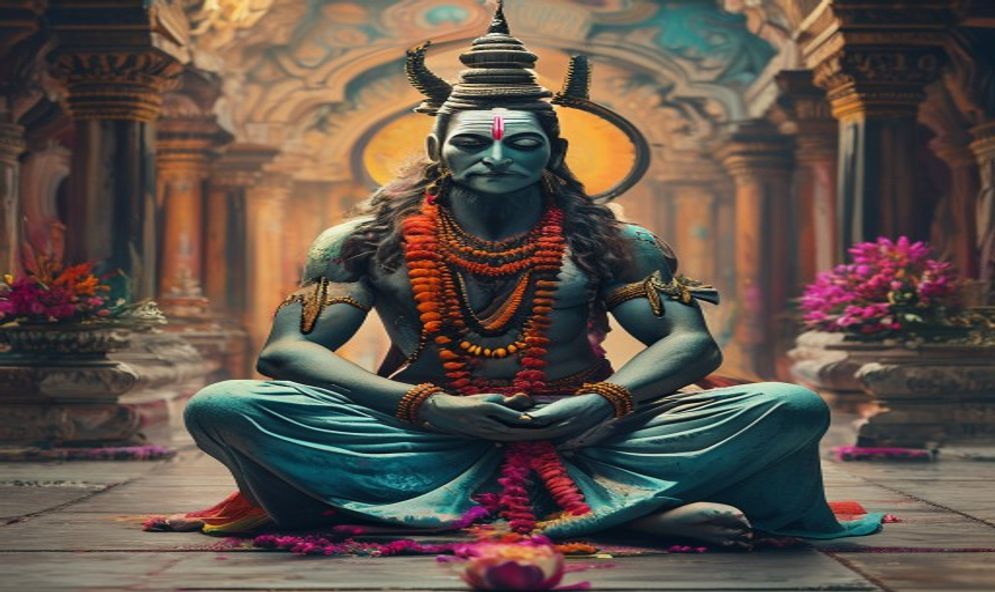
Lord Shiva is known by many names - Mahadev, Shankar, Rudra, Neelkanth - but perhaps the most endearing is "Bholenath," which means the simple-hearted lord. This name reflects the unique quality of Shiva: despite being the supreme deity, he is the easiest to please. He forgives the worst sinners, rewards the simplest devotees, and responds to the smallest acts of love. Unlike other deities who may demand elaborate rituals, Bholenath is satisfied with a single belpatra leaf, a drop of water, or a heartfelt prayer. The stories of his generosity have been passed down through generations, teaching us that true devotion is a matter of the heart, not of wealth or status. Let us explore the most beautiful tales that reveal the compassionate nature of Bholenath.
The Story of Bhasmasura
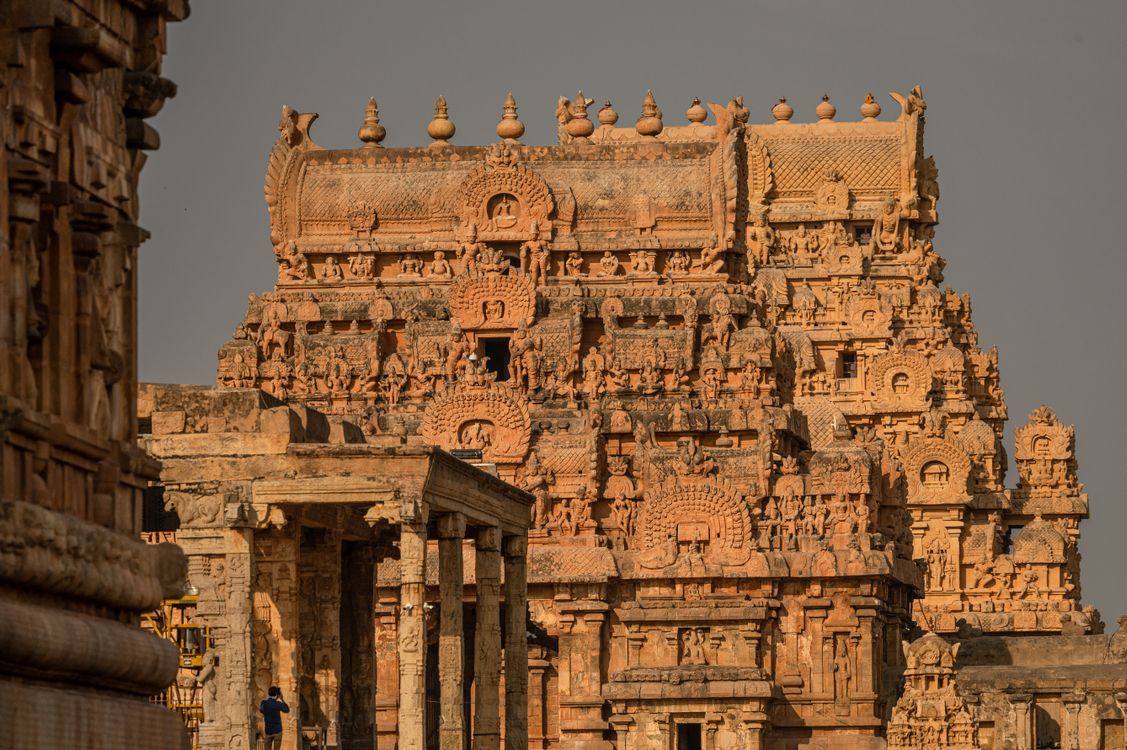
This is one of the most famous stories about Bholenath and serves as a cautionary tale about the misuse of boons. There was once a powerful demon named Bhasmasura who performed intense penance to please Lord Shiva. After years of austerity, Shiva appeared before him and offered him any boon. Bhasmasura, cunning and ambitious, asked for a boon that whatever he touched would turn to ashes. Shiva, in his characteristic generosity, granted the boon without hesitation. The demon was thrilled and immediately decided to test his power. He touched his hand and it turned to ash - the boon worked perfectly. But Bhasmasura greed had no limits. He looked at Shiva and thought, "If I can turn anyone to ash, I can become the most powerful being in the universe. But first, let me eliminate Shiva himself." He ran toward Shiva to touch him. This story shows Bholenath simple nature - he grants boons even to demons, trusting their intentions. But it also shows that even Shiva had to take help from Vishnu to protect himself. Vishnu appeared as a beautiful woman named Mohini and tricked Bhasmasura into touching his own head, turning himself to ash. The lesson is clear - Bholenath gives generously, and one should never misuse divine blessings.
The Story of Samudra Manthan and Neelkanth
Perhaps the greatest story of Shiva generosity is the tale of Samudra Manthan (the churning of the cosmic ocean). The devas (gods) and asuras (demons) came together to churn the ocean of milk to obtain the nectar of immortality. They used Mount Mandara as the churning rod and Vasuki, the king of serpents, as the rope. During the churning, many precious things emerged - the wish-granting tree Kalpavriksha, the divine cow Kamadhenu, the goddess Lakshmi, and finally the pot of nectar. But before the nectar, a terrible poison called Halahal emerged from the depths. The poison was so toxic that its fumes began to suffocate all living beings. The devas and asuras ran in panic. No one could approach the poison. The entire creation was on the verge of destruction. At that moment, the devas prayed to Shiva for help. Shiva, in his infinite compassion, walked calmly to the poison, scooped it in his palm, and drank it in one gulp. His consort Parvati, seeing what he had done, rushed to his throat and held it tight, preventing the poison from entering his stomach. The poison stayed in his throat, turning it blue. From that day, Shiva was called Neelkanth - the blue-throated one. This story reveals the ultimate generosity of Bholenath. He is willing to consume poison to save his children. He takes upon himself the suffering of the world so that others may live. This selfless act is the highest example of divine compassion.
The Story of Kannappa (Bhakt Kannappa)
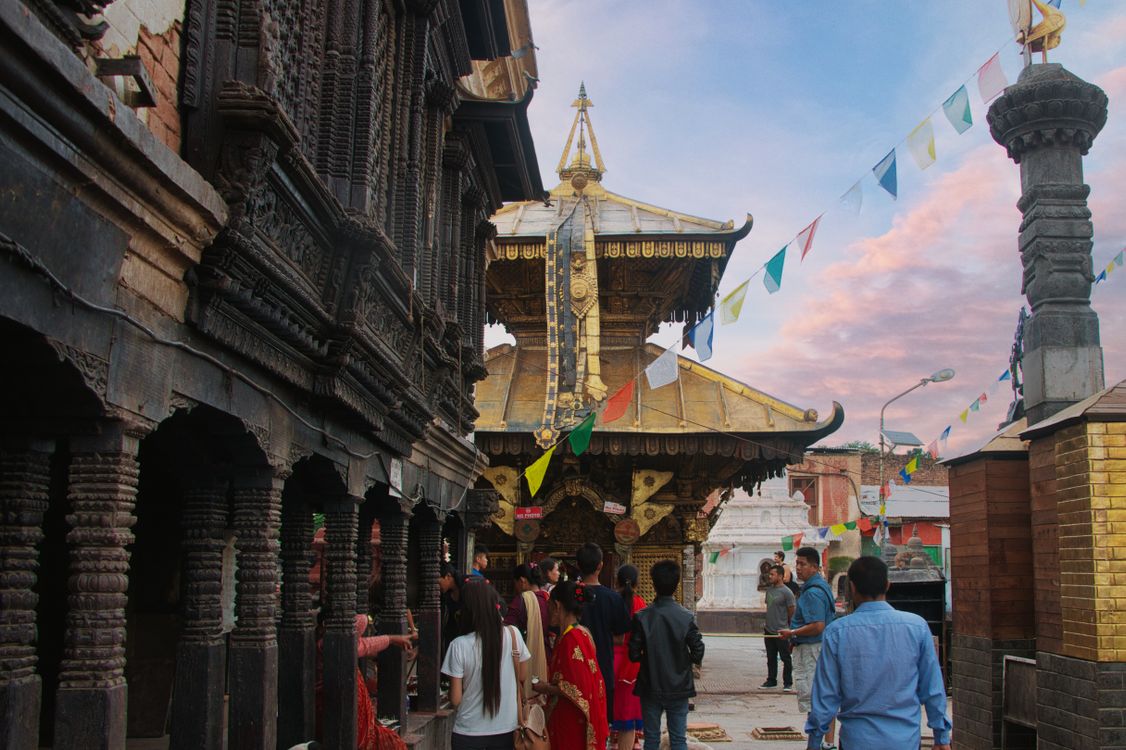
The story of Kannappa is a beautiful example of how Bholenath values devotion over ritual perfection. Kannappa was a tribal hunter, a simple man who knew nothing about the elaborate rituals of temple worship. He was a devotee of Shiva but did not know the proper way to pray. He would hunt animals in the forest and offer their meat to the shivling he found. He would pour the water from his mouth (which was considered unclean) on the shivling as abhishek. The priests of the nearby temple were horrified by this. They tried to stop him, but Kannappa would not listen. He loved Shiva too much. One day, to test Kannappa devotion, Shiva caused the eyes of the shivling to bleed. The priest tried everything to stop the bleeding - milk, honey, ghee, sacred herbs - but nothing worked. When Kannappa came and saw the bleeding eye, he was devastated. Without hesitation, he took his hunting knife and plucked out his own eye, placing it on the shivling. Immediately, the bleeding stopped. But then the other eye began to bleed. Kannappa realized what he had to do. He placed his foot on the shivling to mark where the second eye should go and raised his knife to pluck out his second eye. At that moment, Shiva appeared before him, stopping his hand. Shiva declared, "Kannappa, you have proven that your devotion is greater than any ritual. I accept your offering of the first eye. Keep your second eye. And from today, you will be known as Kannappa, the one who offered his eye to me." This story shows that Bholenath is not concerned with external purity or elaborate rituals. What matters is the purity of the heart. Kannappa, with his simple, intense devotion, received what even the greatest sages could not achieve - the direct vision of Shiva.
The Story of Baidyanath - The Lord of Physicians
The story of Baidyanath is deeply touching and reveals the compassionate healer aspect of Shiva. There was once a demon named Ravana who was a great devotee of Shiva. Ravana wanted to bring his beloved deity Shiva to his kingdom of Lanka so that he could worship him always. He undertook severe penance and pleased Shiva. When Shiva offered him a boon, Ravana asked for the Atmalinga (Shiva self-manifested linga) to take to Lanka. Shiva agreed but set a condition - if Ravana placed the linga on the ground before reaching Lanka, it would remain there permanently. On his way back, Ravana carried the linga carefully. But the gods, concerned about Ravana growing too powerful with Shiva linga in Lanka, decided to intervene. They made Ravana feel the need for his evening prayers. Ravana had to perform his daily rituals, but he could not place the linga on the ground. A young Brahmin boy (who was actually Lord Ganesha in disguise) appeared and offered to hold the linga for him. But the boy soon pretended to be unable to hold it anymore and called out for Ravana. Ravana, who was in the middle of his prayers, could not immediately respond. The boy placed the linga on the ground, and it became rooted there forever. This place is now the famous Baidyanath Temple in Deoghar, Jharkhand. Ravana was heartbroken but Shiva comforted him, saying that this place would become one of the twelve Jyotirlingas and would be known as Baidyanath - the lord of physicians - for its power to heal. The Baidyanath Jyotirlinga is one of the most sacred Shiva temples in India, where thousands of pilgrims come seeking healing and blessings. This story shows Bholenath generosity - even when disappointed, he finds a way to bless his devotees.
Shiva as the Ash-Smeared Ascetic
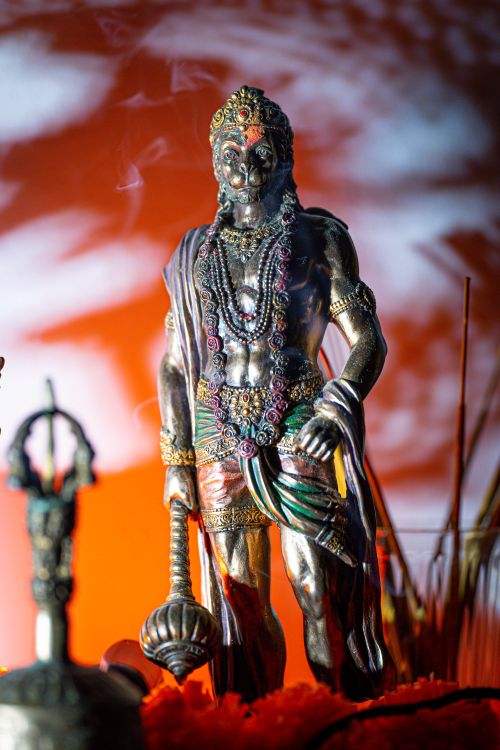
One of the most distinctive aspects of Bholenath is his appearance - he smears his body with bhasm (sacred ash) from the cremation ground. This is not just an aesthetic choice but a profound teaching. By wearing ash, Shiva teaches us about the impermanence of the physical body. The body that we cherish, decorate, and protect will one day turn to ashes. By embracing the ash, Shiva shows us that he has transcended the fear of death. He lives in cremation grounds because he sees no difference between a palace and a graveyard, between a king and a beggar. This is the ultimate generosity - the freedom from attachment. Shiva companions include ghosts, goblins, and all manner of beings that others find frightening. He accepts everyone as his own. There is a beautiful story about a devotee who was an outcast, considered untouchable by society. He wanted to worship Shiva but was not allowed into the temple. He sat outside, meditating on Shiva with all his heart. Shiva appeared before him, not in the temple, but right there outside. Shiva said, "I do not live in temples made of stone. I live in the hearts of my devotees. And this heart is the most beautiful temple I have ever seen." This story reveals the true generosity of Bholenath - his love transcends all social barriers. He is the lord of the poor, the protector of the downtrodden, and the friend of the friendless. This is why millions call him Bholenath - because his heart is pure, simple, and overflowing with unconditional love for all beings. Jai Bholenath! Har Har Mahadev!