Best Waterfalls in Lonavala During Monsoon: 8 Spectacular Cascades You Must See
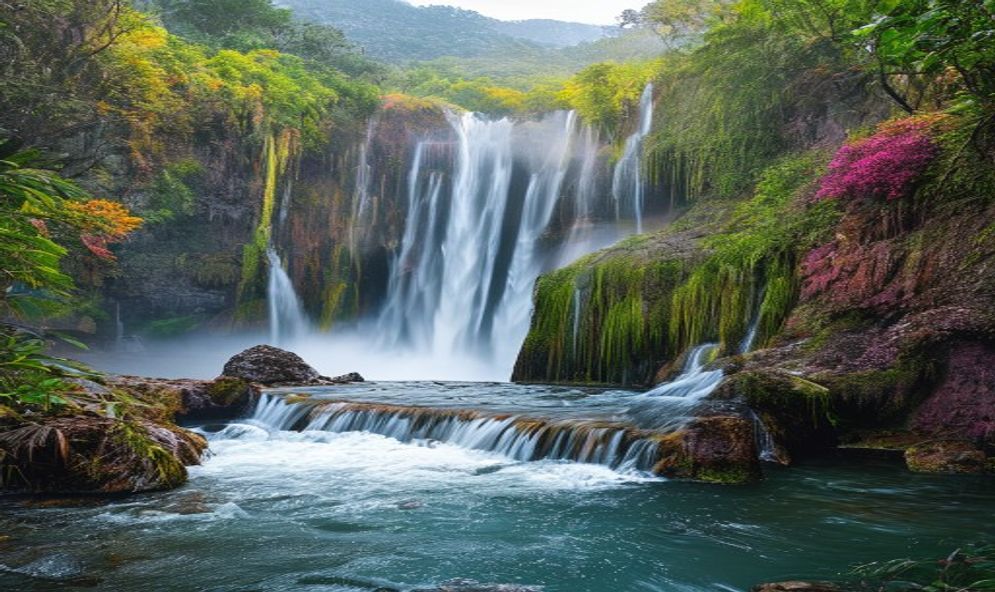
There is something absolutely magical about waterfalls during the monsoon season in Lonavala. The Western Ghats, already blessed with abundant rainfall, transform into a paradise of cascading water. Every hillock, every cliff face seems to sprout its own waterfall, ranging from gentle trickles to thunderous cascades that shake the very ground beneath you. As someone who has spent countless monsoon weekends exploring these falls, I can tell you with absolute certainty that witnessing the waterfalls of Lonavala in full flow is an experience that every nature lover should have at least once in their lifetime.
In this comprehensive guide, I will take you through the eight best waterfalls in Lonavala that you absolutely must visit during the monsoon season. These are not just beautiful to look at — each one offers a unique experience. Some are perfect for a family picnic, others offer challenging treks, and a few provide the kind of raw, unfiltered encounter with nature that leaves you feeling humbled and renewed. I have personally visited each of these waterfalls multiple times, in different seasons and different weather conditions, and I will share with you the best times to visit, how to get there, and what to expect.
Before we dive in, here is an important safety note that I cannot emphasize enough. Monsoon waterfalls are powerful forces of nature. The rocks around them are extremely slippery, the currents can be deceptive, and the water level can rise without warning. Always maintain a safe distance, never attempt to swim in unknown waters, wear appropriate footwear, and keep a close watch on children. With that said, let me introduce you to the spectacular waterfalls that make Lonavala a monsoon paradise.
Kune Falls: The King of Lonavala Waterfalls

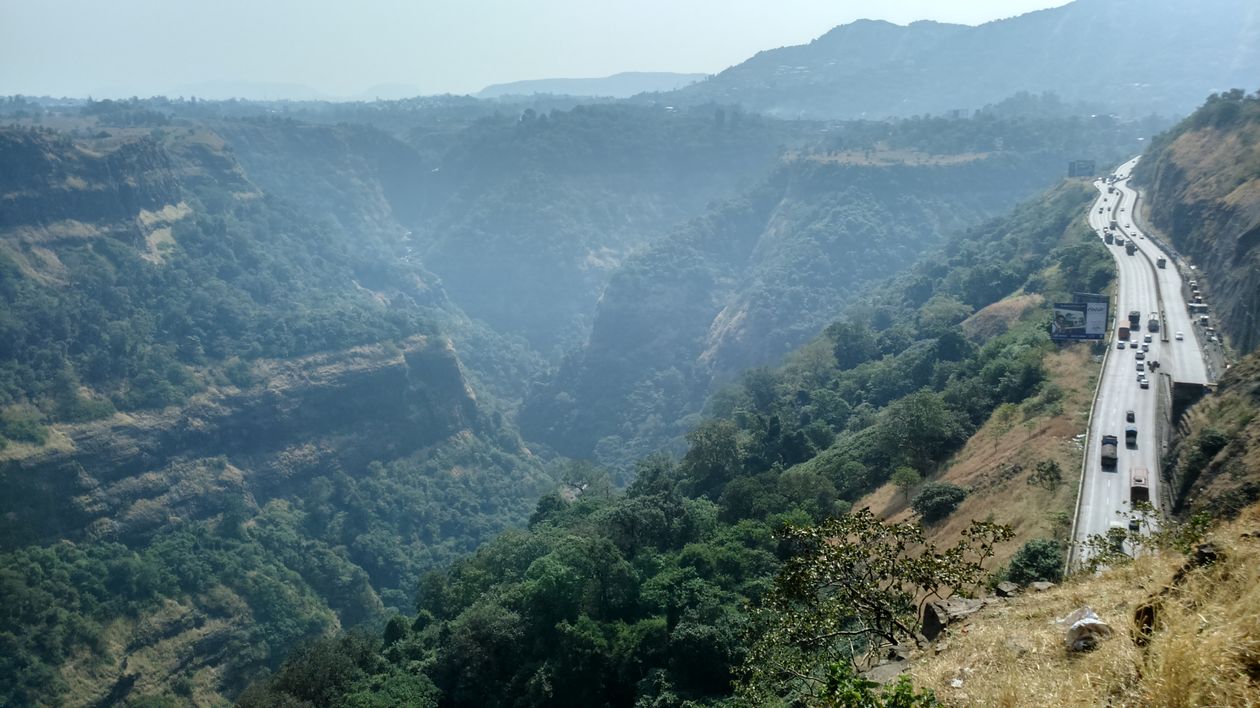
Kune Falls is, without any doubt, the most spectacular waterfall in the Lonavala region. Plunging from a height of approximately 200 meters, it is the fifth-highest waterfall in India and a truly awe-inspiring sight during the monsoon. Located about 10 kilometers from Lonavala on the Mumbai-Pune Expressway, this three-tiered cascade is visible from the highway itself, but getting closer reveals its true majesty. The water drops in three distinct stages, creating a series of misty veils that shimmer in the sunlight.
The first time I saw Kune Falls in full monsoon flow, I literally stopped my car on the highway and just stared for several minutes. The sound was incredible — a deep, primal roar that vibrated through my chest. The mist from the falls created a cool breeze that carried for hundreds of meters, and the surrounding hills were covered in the most vibrant shade of green I have ever seen. There is a designated viewpoint on the expressway where you can park and take photographs, but for a more immersive experience, take the old highway and stop at one of the smaller viewpoints along the way. Just be extremely careful with the slippery rocks and keep a safe distance from the edge.
Bhushi Dam: Cascading Steps of Joy
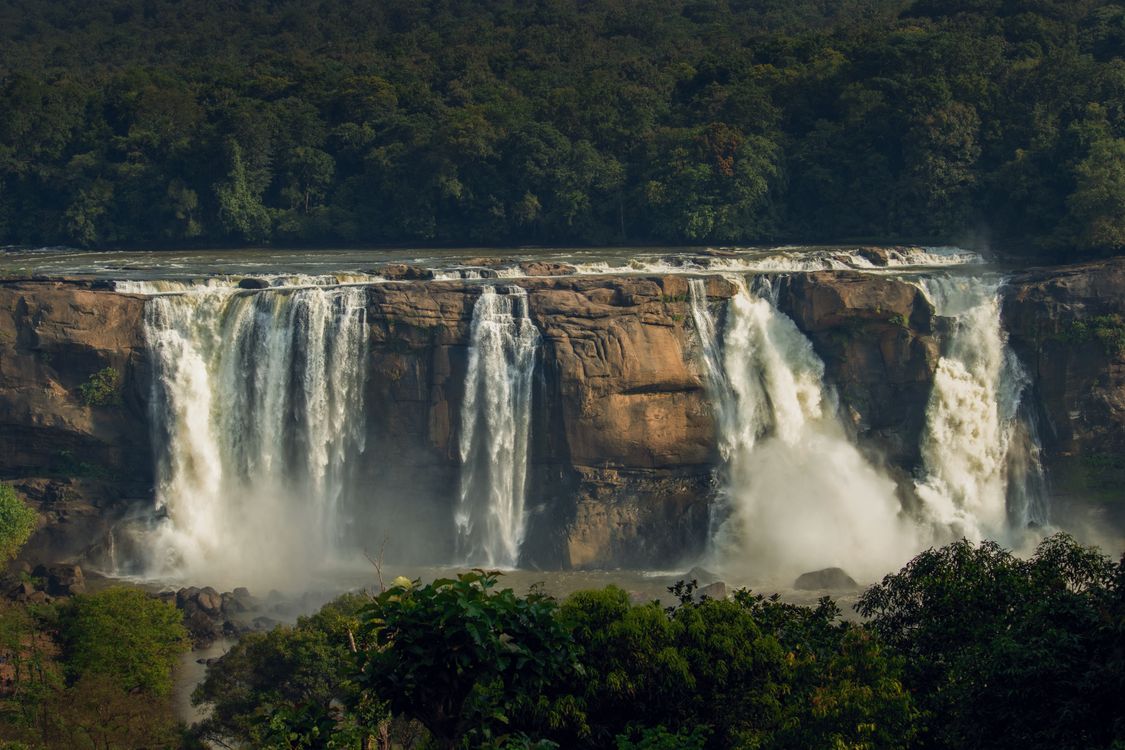
While technically a dam rather than a natural waterfall, Bhushi Dam creates a waterfall-like effect that has pridee it one of the most beloved monsoon destinations in Lonavala. The stepped spillway of this British-era dam creates a series of cascades when the water level is high, turning the structure into what looks like a giant natural water park. During the monsoon, water flows over the steps in a broad, even sheet, creating a mesmerizing sight and a fun environment where families can sit and enjoy the flowing water.
What sets Bhushi Dam apart from other waterfalls is the sheer joy of the experience. Yes, it gets crowded, especially on weekends. But there is something wonderfully infectious about the atmosphere here — children splashing in the shallows, couples holding hands as they walk through the water, vendors selling hot corn and chai. The surrounding hills, covered in mist and greenery, provide a stunning backdrop. I recommend visiting on a weekday if possible, or early in the morning on a weekend, to enjoy the cascades without the crowds. The water is clean and refreshing, but be careful — the rocks can be very slippery, and the current can be stronger than it appears, especially after heavy rainfall.
Lingmala Waterfall: A Hidden Beauty
Lingmala Waterfall, located near the popular hill station of Mahabaleshwar but often visited as a day trip from Lonavala, is a stunning cascade that drops about 100 feet into a natural pool. The waterfall is surrounded by dense forest, and the approach path winds through beautiful greenery before opening up to reveal the falls in all their glory. Unlike the more popular waterfalls that can get crowded, Lingmala retains a sense of serenity and seclusion that makes it a favorite among nature lovers.
I discovered Lingmala Waterfall during a road trip from Lonavala to Mahabaleshwar, and it was one of those serendipitous finds that make travel so rewarding. The water cascades down a rocky cliff face, creating a fine mist that covers the surrounding vegetation. On sunny days, you can often spot rainbows forming in the spray. The pool at the base is inviting, but swimming is not recommended during the monsoon when the currents can be unpredictable. There are several flat rocks where you can sit and enjoy a picnic while listening to the soothing sound of falling water. The best time to visit is in the late morning when the sun is high enough to illuminate the falls.
Dhumas Waterfall: A Short but Sweet Cascade
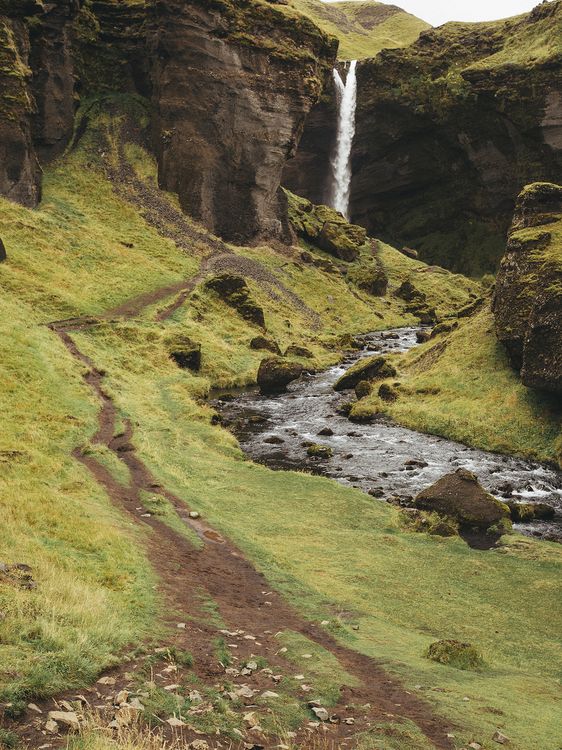
Dhumas Waterfall is a relatively lesser-known waterfall located on the way to Rajmachi Point. While not as tall or powerful as Kune Falls, Dhumas has a charm of its own. The waterfall drops from a moderate height into a shallow pool, surrounded by lush green vegetation and large rocks that provide natural seating. It is the kind of place where you can spend a quiet afternoon, away from the crowds, listening to the gentle sound of water and the chorus of birds and insects.
What I appreciate most about Dhumas Waterfall is its accessibility. Unlike some of the other waterfalls in the region that require a trek, Dhumas is visible from the road and requires only a short walk. This makes it an ideal stop for families with young children or for those who want to enjoy a waterfall experience without the physical exertion of a trek. The area around the waterfall is perfect for photography, with the green foliage providing a beautiful contrast to the white water. The best time to visit is during or immediately after the monsoon season, from July to October, when the waterfall is at its fullest.
Kataldhar Waterfall: The Adventurer's Reward
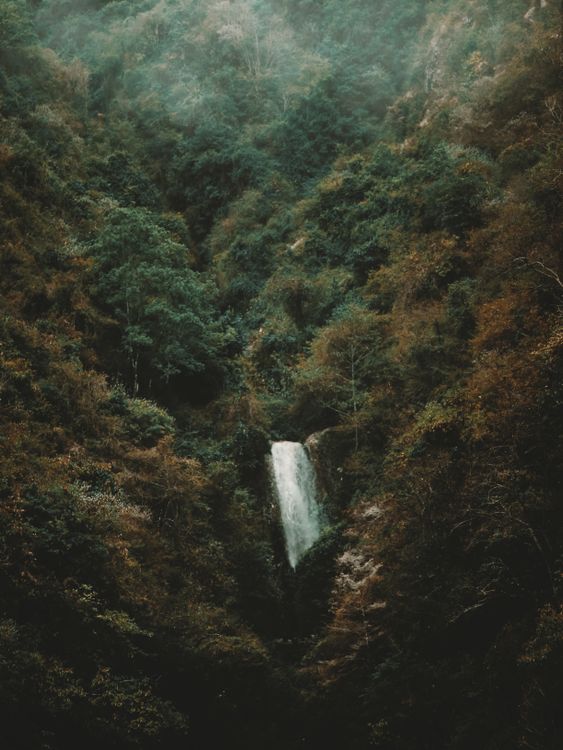
Kataldhar Waterfall is not for the faint of heart, but for those willing to make the effort, the reward is absolutely extraordinary. Located deep in the forests near Lonavala, this waterfall requires a challenging trek through dense vegetation, across streams, and over rocky terrain. The waterfall itself is a stunning sight — water drops from a great height into a deep, dark pool, surrounded by towering cliffs on all sides. The sense of seclusion and raw natural beauty at Kataldhar is unparalleled.
I have done the Kataldhar trek twice, and both times I was left speechless by the beauty of the place. The trek takes about 3-4 hours each way and is best attempted with a local guide who knows the terrain. The trail passes through some of the most beautiful forests in the Western Ghats, with opportunities to spot wildlife and rare bird species. The final approach to the waterfall involves a steep descent through a narrow gorge, which can be challenging in wet conditions. But when you finally stand at the base of the waterfall, with the cool spray on your face and the thunderous roar of water filling your ears, every bit of effort feels worth it. This is an experience for experienced trekkers only — do not attempt it during heavy rainfall or without proper preparation.
Duke's Nose Waterfall: A Seasonal Spectacle
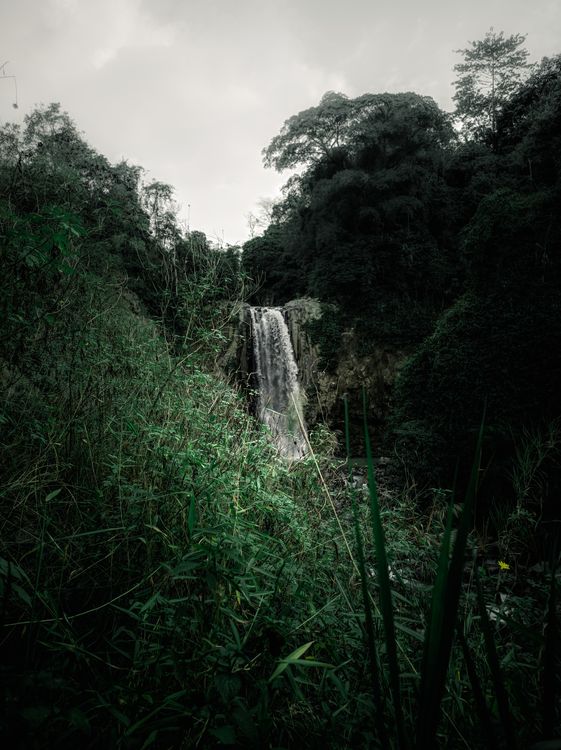
During the monsoon season, the area around Duke's Nose becomes home to several seasonal waterfalls that appear seemingly overnight. These temporary cascades flow down the rocky face of the hills, creating beautiful ribbons of white water against the dark rock. While they may not be as permanent or as powerful as Kune Falls, these seasonal waterfalls have a ephemeral beauty that makes them special. They are a reminder of the transformative power of the monsoon, turning the landscape into a living, breathing work of art.
The best way to experience these seasonal waterfalls is during or immediately after a heavy downpour. The trails around Duke's Nose offer several vantage points where you can see multiple waterfalls cascading down the hillsides. The sight of the misty hills with waterfalls flowing down every crevice is one of the most beautiful things I have ever witnessed in nature. These waterfalls are best viewed from a distance, as the terrain around them can be treacherous. Carry your camera and a zoom lens to capture their beauty without risking a dangerous approach.
Zinger Waterfall: A Local Favorite
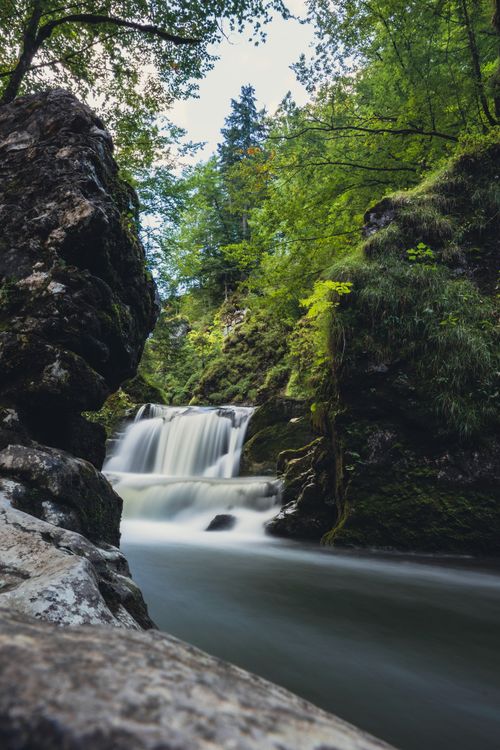
Zinger Waterfall, named after its proximity to the Zinger Farm development, is a popular spot among locals and those in the know. While not as grand as some of the other waterfalls on this list, Zinger has a intimate charm that makes it a favorite for small groups and families. The waterfall drops into a natural pool that is safe for wading during the drier months, though caution is advised during the peak monsoon season when the water level rises.
What I love about Zinger Waterfall is the peaceful atmosphere. Unlike the more popular spots that can feel like a carnival on weekends, Zinger retains a quiet, laid-back vibe. The surrounding area is covered in dense vegetation, and the sound of the waterfall creates a natural soundtrack that is both relaxing and invigorating. It is the perfect spot for a small picnic, a quiet date, or some solitary time with a good book. The waterfall is easily accessible by road, with parking available nearby. Visit on a weekday for the best experience, and carry your own food and water as there are no vendors in the area.
Korigad Waterfall: A Fort and a Fall
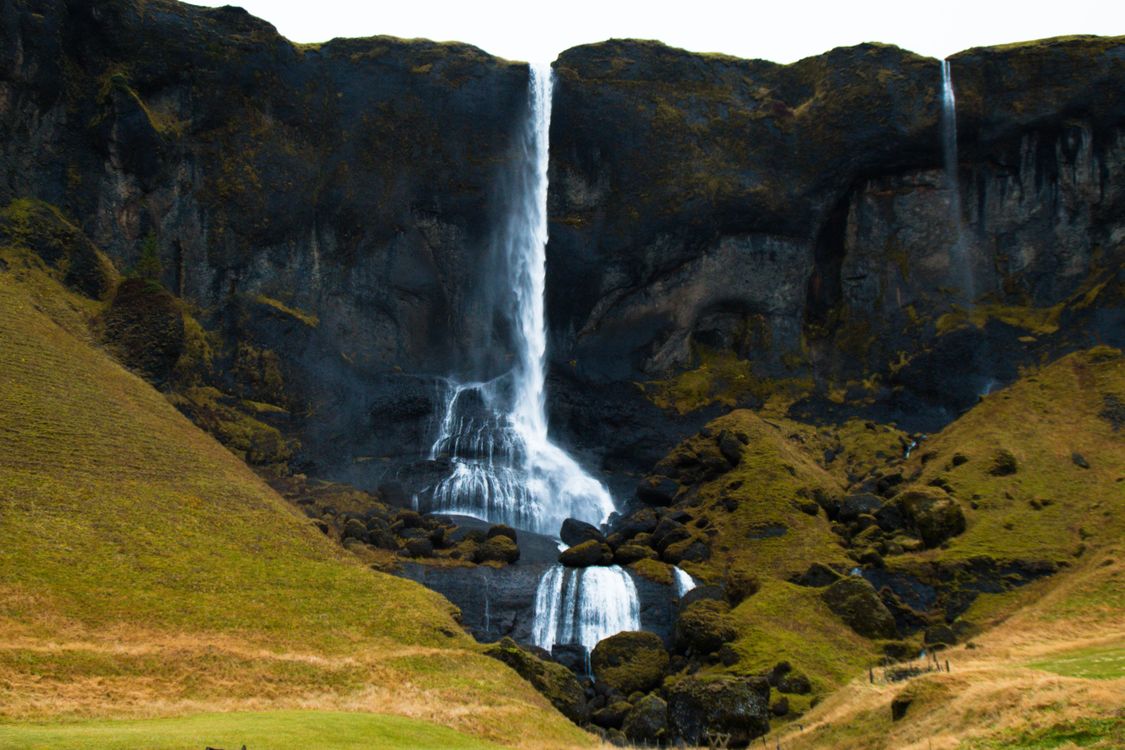
Korigad Waterfall is located at the base of the historic Korigad Fort, offering visitors the unique experience of combining a fort trek with a waterfall visit. The waterfall is at its best during the monsoon, when water cascades down the rocky face of the hill, creating a beautiful sight that complements the historic fort perched above. The combination of ancient architecture and natural beauty makes this a uniquely rewarding destination.
The trek to Korigad Fort takes about an hour and offers stunning views of the surrounding landscape, including the waterfall below. After exploring the fort, you can descend to the base of the waterfall for a refreshing break. The pool at the base is relatively safe for wading, but always exercise caution. I recommend combining this visit with a trip to the nearby Pawna Lake for a full day of exploration. The area is less commercialized than the main Lonavala attractions, offering a more authentic experience of the region's natural and historical heritage.
Conclusion: Embracing the Monsoon Magic
The waterfalls of Lonavala during the monsoon season are nature at its most magnificent. Each cascade, whether thunderous or gentle, well-known or hidden, contributes to the symphony of water that defines this region during the rainy months. Experiencing these waterfalls is not just about sightseeing — it is about connecting with the raw power and beauty of nature, feeling the spray on your face, hearing the roar of falling water, and witnessing the transformative effect of rain on the landscape.
As you plan your monsoon visit to Lonavala, remember to prioritize safety above all else. Check weather conditions before heading out, wear appropriate clothing and footwear, and never take unnecessary risks near waterfalls. Carry a change of clothes, a waterproof bag for your valuables, and plenty of drinking water. Most importantly, take the time to simply sit and absorb the beauty around you. In our rush to capture the perfect photograph or check off the next attraction, we often forget to just be present in the moment. The waterfalls of Lonavala offer the perfect opportunity to slow down, breathe deep, and connect with the natural world. Do not miss it.