Best Wall Colors for Study Room According to Vastu
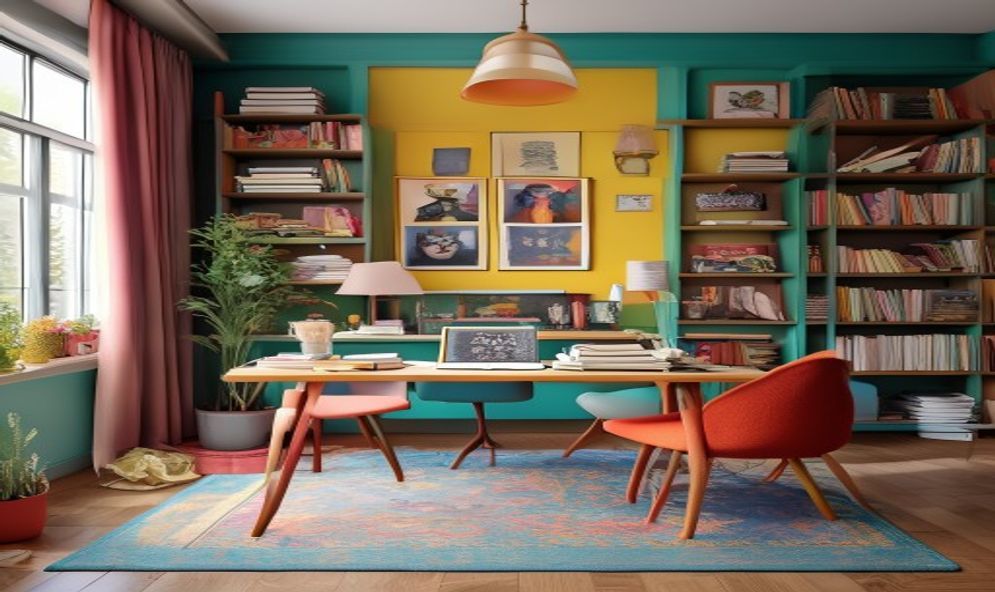
Choosing the right paint for your study room is not just about aesthetics. According to Vastu Shastra, wall colors study room Vastu guidelines are essential for creating an environment that supports focus, memory, and academic success. The colors on your walls affect your mood, energy levels, and even your brainwave patterns. This article provides a complete guide to selecting the best study room colors based on Vastu principles.
Understanding Color Psychology in Vastu
Vastu associates each color with one of the five elements Earth, Water, Fire, Air, and Space. Each element influences different aspects of learning. Earth colors like green and brown create stability. Water colors like blue bring calmness. Fire colors like yellow stimulate the intellect. Air colors like white create openness. Space colors like light purple enhance creativity. Understanding these connections helps you choose the right Vastu wall colors for your study room.
The color you choose should match the room's direction and the student's temperament. A hyperactive child may need calming blue, while a shy child may benefit from stimulating yellow. The age of the child also matters. Younger children respond better to warmer colors, while older students benefit from cooler, more focused tones.
Best Colors for Study Room Walls
Light Green The Ultimate Study Color
Light green tops the list of paint colors study recommendations. It represents the Earth element and promotes balance, growth, and concentration. Green is easy on the eyes and reduces eye fatigue during long study sessions. It creates a sense of harmony and freshness in the room. Light green walls also pair well with white furniture and wooden flooring.
Pale Yellow The Color of Knowledge
Yellow is associated with Jupiter, the planet of wisdom. Pale yellow walls stimulate the brain and encourage active learning. This color works especially well for students who need to stay alert and engaged. Yellow also adds warmth to the room, making it feel inviting and comfortable. Avoid bright or golden yellow, as it can cause overstimulation.
Soft Blue Calm and Focused
Blue represents the Water element and brings a sense of peace. Soft blue walls help anxious students relax and focus better. Blue is particularly effective for students who experience exam stress or have difficulty sitting still. Light blue also makes a small room feel larger and airier. Combine blue walls with white or cream accents for a balanced look.
White Purity and Space
White represents the Space element and creates an open, clutter-free feeling. White walls reflect light well, keeping the room bright and energetic. White is a safe choice for any study room, especially when combined with colorful decor items. However, an all-white room can feel clinical. Add warmth with wooden furniture, green plants, or colorful bookshelves.
Lavender Creativity and Intuition
Light purple or lavender walls stimulate the crown chakra and enhance creativity. This color is ideal for students studying art, music, literature, or other creative subjects. Lavender also has a calming effect that reduces anxiety and promotes deep thinking. Use lavender on one accent wall rather than the entire room for the best effect.
Colors to Avoid
Dark colors absorb light and create heavy energy. Avoid black, dark red, dark grey, and deep brown as primary study room wall paint colors. Red increases aggression and restlessness. Black creates emptiness and can lead to depression. Dark grey induces lethargy. Save these colors for small accents like picture frames, lamps, or storage boxes.
Bright neon colors are also not recommended. They overstimulate the visual cortex and cause distraction. Students may find it hard to concentrate in rooms with intense colors. Stick to the pastel and natural palette for the best results.
Color Combinations for Different Directions
East-Facing Study Room
East rooms receive morning sunlight. Use light green or white walls to enhance the Sun's energy. Add yellow accents for warmth. Avoid dark colors on the east wall.
North-Facing Study Room
North rooms benefit from pale blue or cream walls. These colors complement Mercury's energy, which governs intelligence. Add silver or white accents for a modern look.
Northeast-Facing Study Room
Northeast is the most auspicious direction. Use pale yellow or light green walls. Keep this corner clean and well-lit. Place a plant or a water feature here for added benefit.
West-Facing Study Room
West rooms can use light blue or white walls to balance the setting sun's energy. Add warm lighting to compensate for the afternoon heat. Avoid red or orange in west-facing rooms.
Painting Tips for Best Results
- Use matte or eggshell finishes. Glossy paints create glare that strains the eyes.
- Paint the wall behind the study table in a focus-enhancing color like light green or pale yellow.
- Use removable wallpaper if you cannot paint. This is ideal for rented homes.
- Add a feature wall in a complementary color to break the monotony.
- Keep the ceiling white to maintain an open, airy feeling.
Read more about Vastu colors for study rooms to find the perfect shade for your child's learning space.
Frequently Asked Questions
Can I use wallpaper instead of paint?
Yes, wallpaper is a good alternative. Choose patterns with light backgrounds and simple designs. Avoid busy patterns that can be distracting.
How often should I repaint the study room?
Every 2-3 years is ideal. Fresh paint keeps the energy vibrant and the room looking clean. Faded or peeling paint creates stagnant energy.
Selecting the right best study room colors is a simple yet powerful Vastu adjustment. A fresh coat of paint in the right shade can transform your study experience.