Best Vastu Colors for Study Rooms Backed by Color Psychology
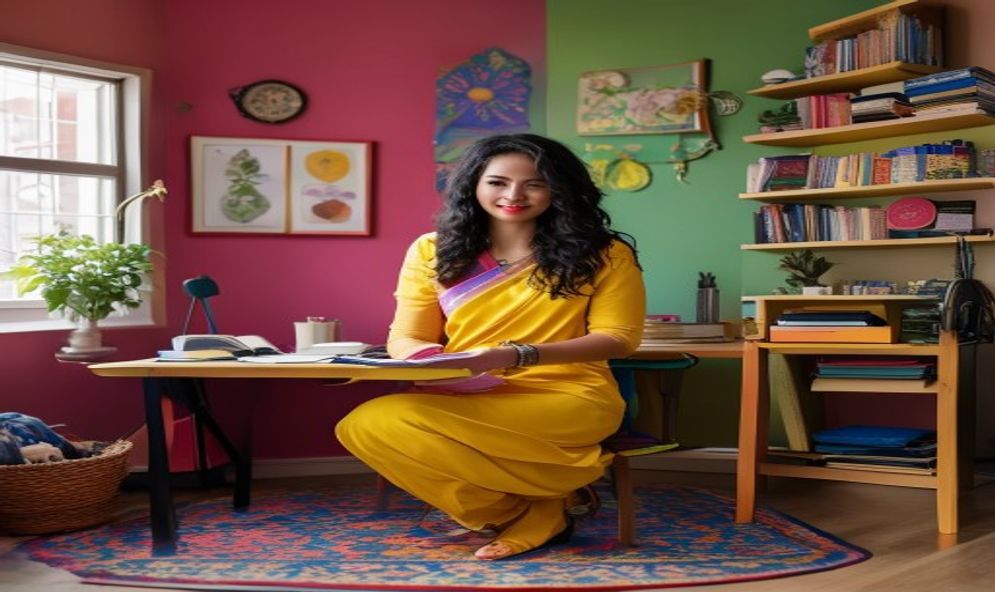
Choosing the right color for a study room is a decision that impacts your child's academic journey. Vastu colors psychology offers specific recommendations, but how do these align with modern color psychology study findings? As a Vastu consultant with a background in environmental psychology, I have analyzed both ancient wisdom and contemporary research to identify the most effective colors for learning spaces. This comprehensive guide reveals the science behind each Vastu color recommendation.
Why Color Matters in Study Rooms
Color affects the brain through multiple pathways. It influences mood, alertness, cognitive performance, and even physiological responses like heart rate and blood pressure. Vastu color science has always recognized this connection, prescribing specific colors for specific activities. Modern research confirms that the right colors can improve reading speed, comprehension, and memory retention by creating optimal neurological conditions for learning.
The Top Vastu-Recommended Study Room Colors
1. Pale Yellow: The Intellect Booster
Pale yellow is the gold standard for study rooms according to both Vastu and psychology. This color stimulates the left hemisphere of the brain, which handles logic, analysis, and sequential thinking. Psychological colors studies show that yellow increases serotonin levels, promoting a positive mood that enhances learning. Yellow also improves visual memory, making it ideal for subjects that require memorization and recall. Use pale yellow for primary wall coverage.
2. Light Green: The Concentration Enhancer
Green sits in the center of the color spectrum and is the easiest color for the human eye to process. Study room color effects research demonstrates that green reduces eye strain during prolonged reading sessions. It also promotes a state of calm alertness, perfect for sustained concentration. Vastu associates green with growth and harmony, making it ideal for children's study rooms. Use sage green or mint green for best results.
3. Sky Blue: The Clarity Promoter
Blue has a cooling effect on the nervous system. Vastu psychology recommends blue for rooms where analytical thinking is required. Research shows that blue environments improve performance on cognitive tasks that require focused attention. Blue also lowers stress levels, which is particularly beneficial during exam preparation. Light blue or sky blue is preferred over darker shades, which can induce melancholy.
4. White: The Mental Space Creator
White represents purity and mental clarity. While often overlooked, white creates a sense of spaciousness and order. Learning colors studies indicate that white backgrounds improve reading comprehension by reducing visual distractions. However, pure white can feel clinical. Combine white with warm accent colors for a balanced environment. Use white for ceilings and trim to create contrast with colored walls.
5. Peach: The Emotional Supporter
Peach combines the warmth of orange with the softness of pink. This color is recommended by Vastu for children who experience anxiety or emotional blocks while studying. Color psychology study findings suggest that peach creates a nurturing, supportive atmosphere that reduces fear of failure. Use peach as an accent color rather than the primary wall color.
Colors to Avoid in Study Rooms
- Red: Too stimulating. Increases heart rate and can cause agitation during long study sessions.
- Dark blue: Can induce melancholy and reduce energy levels. Reserve for bedrooms.
- Black: Absorbs light and creates a heavy, oppressive atmosphere. Avoid completely.
- Bright orange: Overstimulating for extended periods. Use only as a small accent.
- Purple: Too relaxing. Better suited for meditation rooms than study spaces.
How to Combine Colors Effectively
The 60-30-10 rule works well for study rooms. Use your primary Vastu-recommended color for 60% of the room (walls). Use a complementary neutral for 30% (furniture, flooring). Use an accent color for 10% (accessories, wall art). This balanced approach prevents visual monotony while maintaining the energetic benefits of the primary Vastu color. Vastu colors psychology emphasizes that balance is more important than any single color choice.
Practical Implementation Tips
If repainting is not possible, introduce Vastu colors through curtains, rugs, cushion covers, wall art, or desk accessories. Even a colored table lamp can shift the room's energy. The key is to surround the study area with the chosen color spectrum. Remember that lighting affects how colors appear; test paint samples under both natural and artificial light before committing. The best Vastu color is one that your child responds to positively, so involve them in the selection process when possible.
Frequently Asked Questions
Can I use wallpaper instead of paint for Vastu colors?
Yes, wallpaper is an excellent alternative, especially if you are renting. Choose wallpaper with subtle patterns in Vastu-recommended colors.
Do different subjects require different room colors?
While not strictly necessary, yellow works well for analytical subjects like math and science, while green supports reading-heavy subjects like literature and history.
How often should I change study room colors?
Colors can remain the same throughout a child's academic journey. However, as children grow, their color preferences may change. Reassess every 3-4 years.