Best Study Room Layout According to Vastu Shastra
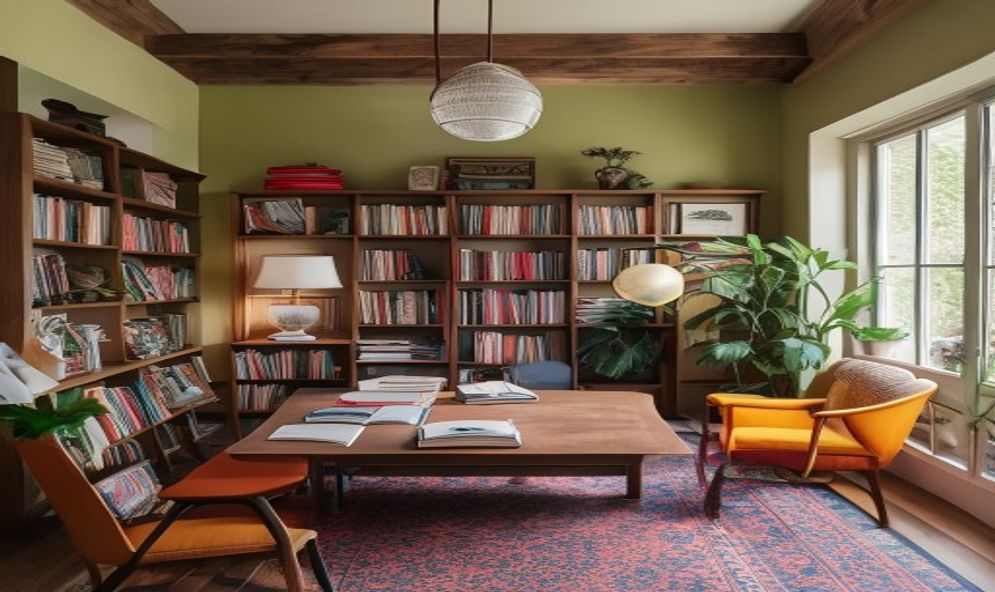
A well-planned study room layout can make the difference between a productive student and a distracted one. The best study room layout according to Vastu Shastra combines directional science with practical furniture arrangement to create an environment that naturally supports learning. This comprehensive guide covers every aspect of Vastu Shastra study room design, from room selection to furniture placement and decor.
The Ideal Study Room Shape and Size
According to Vastu, the best shape for a study room is square or rectangle. These shapes allow energy to flow evenly throughout the space. Avoid L-shaped rooms, rooms with cut corners, or rooms with multiple angles. These irregular shapes create energy pockets that can disturb concentration. If your room has an irregular shape, use a mirror on the uneven wall to visually complete the shape.
The ideal size for a study room is between 80 and 120 square feet. This provides enough space for a study table, chair, bookshelf, and some open area for energy circulation. Larger rooms can work if properly zoned, but very large rooms can scatter the student's energy. The key is balance, which is central to room layout Vastu principles.
Direction of the Study Room
The direction of the study room within the house is the most important factor. The best directions for a study room are east, north, and northeast. The east direction brings the energy of the rising sun, symbolizing new knowledge and clarity. The north is ruled by Mercury, the planet of intelligence. The northeast combines both energies for maximum benefit.
If the study room is in the west, it can still work with proper remedies. Use light colors, mirrors on the north wall, and plenty of lighting to balance the energy. Avoid using a southwest room as a study, as this direction promotes rest rather than activity. This is a foundational Vastu room plan rule that should not be ignored.
Positioning the Study Table
The study table is the centerpiece of the room. Its placement determines the entire energy flow. The student should face east or north while sitting at the table. The table should be placed against a solid wall, not against a window or door. A solid wall provides stability and support, while a window or door behind the student creates a sense of vulnerability.
Leave at least 2 to 3 feet of open space in front of the table. This allows energy to flow toward the student and keeps the mind open. Do not place the table directly under a beam or slanted ceiling. The beam creates pressure that can cause headaches and reduce concentration. A rectangular wooden table is ideal for study room design Vastu compliance.
Bookshelf and Storage Placement
Bookshelves should be placed on the east or north walls. These directions support knowledge and wisdom. The bookshelf should not be directly behind the study chair, as this creates unseen pressure on the back. Keep frequently used books at eye level and within arm's reach. Store reference books on middle shelves and completed material on higher or lower shelves.
Use open bookshelves rather than closed cabinets. Open shelves allow energy to circulate around the books. Closed cabinets trap energy and can make the room feel stagnant. Keep the bookshelf organized and dust-free. A messy bookshelf creates mental clutter even if the student does not consciously notice it.
Chair Selection and Placement
The study chair should be comfortable yet supportive. Choose a chair with good back support and armrests. The chair should not have wheels, as rolling chairs create instability. A fixed chair keeps the student grounded and focused. The height of the chair should allow the student's feet to rest flat on the floor and their eyes to be level with the top of the computer screen.
Place the chair so that the student's back is to a solid wall, not a door or window. A solid wall behind provides support and security. If the back faces a door, the student may feel startled or anxious. This is an important Vastu furniture arrangement consideration that affects mental comfort during long study sessions.
Window and Door Placement
Windows should be on the east or north walls. These directions allow positive energy and natural light to enter. The study table should face a window but not be directly in front of it. Natural light from the side is ideal for reading and writing. Use light, sheer curtains that filter sunlight without blocking it.
The door should be in the east or north wall if possible. The student should be able to see the door from their seat without having to turn around completely. This creates a sense of security and awareness. Avoid placing the study table in direct line with the door, as energy entering through the door will rush directly at the student and cause distraction.
Color Scheme for the Layout
The color of the walls should complement the direction of the room. For east-facing rooms, use light green or white. For north-facing rooms, pale blue or cream works best. For northeast rooms, pale yellow is highly recommended. The ceiling should be white to create a sense of openness and space.
Use the wall in front of the study table as the accent wall. Paint it in a focus-enhancing color like light green or pale yellow. The other walls can be in a lighter shade of the same color or white. This creates a balanced visual field that supports concentration without overstimulation.
Lighting Plan
Layered lighting is essential for a good study room layout. Use three types of lighting: ambient, task, and accent. Ambient lighting comes from the ceiling and provides overall illumination. Task lighting comes from a desk lamp and focuses light on the study materials. Accent lighting highlights bookshelves, plants, or decor items.
The desk lamp should be placed on the opposite side of the writing hand. Use warm white bulbs between 2700K and 3000K for evening study. Place a small night light or salt lamp in the northeast corner to keep the room energized even when the main lights are off. This completes the Vastu layout guide for ideal lighting.
Decor and Accessories
Decorate the study room with items that inspire learning and positivity. A globe, a map, an educational poster, a small plant, and a crystal on the desk all contribute to a positive learning atmosphere. Place a small idol or picture of Goddess Saraswati in the northeast corner for divine blessings on knowledge.
Avoid negative or distracting decor. Do not hang mirrors that reflect the study table. Avoid placing clocks directly above the study table, as they create time pressure. Keep the decor minimal and purposeful. Every item should serve a function or inspire positive feelings. This is the final touch in the best study room layout according to Vastu Shastra.
Learn Vastu space-saving tips for small study rooms if you are working with a compact space.
Frequently Asked Questions
Can I have a study table in my bedroom?
Yes, but create a separate zone using a screen or curtain. The study area should be visually and energetically separate from the sleeping area. Follow the same layout principles for the study corner.
Should the study room door be kept open or closed?
Keep the door open while studying to allow energy to circulate. If noise is a concern, keep it partially open or use a door curtain. A closed door traps energy and can make the room feel stuffy.