Best Places to Visit in Pune: Top 15 Must-See Attractions for Every Traveller
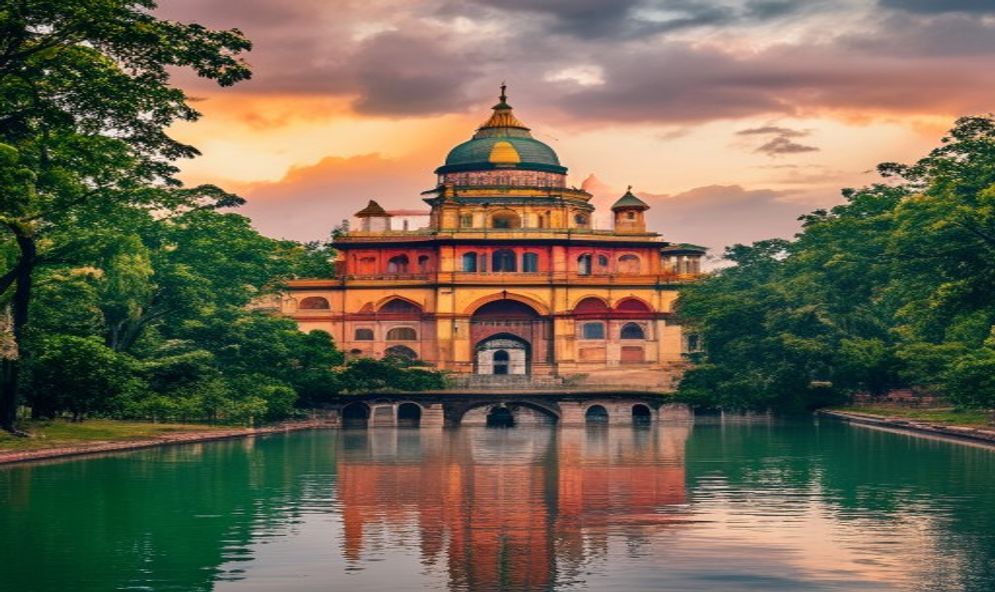
Pune, often called the cultural capital of Maharashtra, is a city that effortlessly blends the old with the new. From its ancient Maratha-era forts and centuries-old temples to its buzzing cafes, bustling markets, and thriving startup culture, Pune offers a rich tapestry of experiences that cater to every kind of traveller. I have spent years exploring every nook and cranny of this beautiful city, and every visit reveals something new, something unexpected, something that makes me fall in love with it all over again.
Whether you are a history enthusiast tracing the footsteps of the Peshwas, a foodie on a mission to taste every iconic dish Pune has to offer, a nature lover looking for a peaceful escape within the city limits, or someone simply passing through on their way to the hills of the Western Ghats, this guide will help you discover the very best of what Pune has to offer. From the majestic Shaniwar Wada to the serene Osho Teerth Gardens, from the bustling lanes of Tulshi Baug to the vibrant vibe of Koregaon Park, let me take you on a journey through the heart and soul of this magnificent city.
Pune is not just a city you visit — it is a city you experience. The cool breeze that sweeps through the streets in the evening, the aroma of freshly brewed chai from a roadside stall, the sight of students huddled in bookshops on FC Road, the echoes of history that bounce off the walls of its ancient structures — these are the moments that define Pune. So put on your walking shoes, bring your appetite, and let us explore the best places to visit in Pune.
Shaniwar Wada: The Heart of Maratha History

Shaniwar Wada is not just the most famous historical landmark in Pune — it is the soul of the city. Built in 1732 by Bajirao I, the second Peshwa of the Maratha Empire, this magnificent fort-palace once served as the seat of the Peshwa rulers. Though much of the original structure was destroyed in a mysterious fire in 1828, the remaining walls, gates, and foundations still evoke the grandeur and power of the Maratha Empire at its peak. The main gate, known as the Delhi Darwaza, faces north towards Delhi and is a stunning example of Maratha architecture with its massive wooden doors studded with iron spikes.
Walking through the grounds of Shaniwar Wada, you can almost hear the echoes of history. The palace complex once housed grand halls, ornate fountains, and lush gardens. The famous light and sound show held every evening is a must-watch — it narrates the story of the Peshwas and the city of Pune through a stunning combination of lights, music, and narration. I have watched it multiple times and it never fails to move me. The way the history of this great empire unfolds against the backdrop of the illuminated palace walls is nothing short of magical. Visit early in the morning to avoid crowds and spend at least an hour exploring the grounds and the small museum on site.
Aga Khan Palace: A Monument of National Importance

The Aga Khan Palace is one of Pune's most significant historical landmarks, not just for its stunning architecture but also for its deep connection to India's freedom struggle. Built in 1892 by Sultan Muhammed Shah Aga Khan III, this majestic palace served as a prison for Mahatma Gandhi, his wife Kasturba Gandhi, and his secretary Mahadev Desai during the Quit India Movement in 1942. Both Kasturba Gandhi and Mahadev Desai died while imprisoned here, and their sapridehis (memorials) are located within the palace grounds, making this a site of great national importance.
The palace itself is a beautiful blend of Italian Renaissance and Mughal architectural styles, set amidst sprawling green lawns that offer a peaceful escape from the bustle of the city. The ground floor has been converted into a museum dedicated to Gandhi, displaying his personal belongings, photographs, and letters. Walking through the rooms where Gandhi spent his final years of imprisonment is a humbling experience that connects you deeply with India's struggle for independence. I always recommend spending at least two hours here — one for the museum and one just to sit in the gardens and absorb the peaceful energy of the place. The palace is located on the Nagar Road and is easily accessible from any part of the city.
Sinhagad Fort: A Trek Through History
Sinhagad Fort, perched on a hill about 35 kilometres southwest of Pune, is one of the most popular trekking destinations in the region. The name Sinhagad means Lion Fort, and it truly lives up to its name. Located at an elevation of about 1,312 metres above sea level, this historic fort offers breathtaking views of the surrounding valleys and mountains. The fort has a rich history dating back to the 17th century when it was captured by Chhatrapati Shivaji Maharaj from the Mughals. The famous battle of Sinhagad in 1670, where Tanaji Malusare led the Maratha forces to victory, is one of the most celebrated events in Maratha history.
The trek to Sinhagad is a favourite weekend activity for Punekars. The trail winds through lush green hills, across small streams, and past local vendors selling freshly cut sugarcane juice, bhutta, and peanuts. The trek takes about 45 minutes to an hour from the base village of Donje. The view from the top is absolutely spectacular — on a clear day, you can see the entire Pune city skyline, the Khadakwasla Dam, and the surrounding Sahyadri range stretching to the horizon. I have done this trek countless times, and it never gets old. The fort also has a few historical structures, including the tomb of Tanaji Malusare, which serves as a reminder of the bravery and sacrifice of the Maratha warriors. Go early in the morning during the monsoon when the hills are covered in a blanket of green and the clouds play hide and seek with the sun.
Dagdusheth Halwai Ganpati Temple: The Most Famous Temple in Pune

Shreemant Dagdusheth Halwai Ganpati Temple is undoubtedly the most famous and most visited temple in Pune. Located in the heart of the city on Budhwar Peth, this temple is dedicated to Lord Ganesha and attracts thousands of devotees every day. The temple was established in 1893 by a wealthy sweet maker named Dagdusheth Halwai, and the idol of Lord Ganesha is a magnificent sight — standing at 2.2 metres tall, adorned with gold ornaments and a crown that sparkles under the temple lights. The idol is said to be a replica of the original one that was installed by Dagdusheth himself.
Visiting the Dagdusheth Temple is an experience that engages all your senses. The sound of bells ringing, the fragrance of incense and flowers, the sight of devotees offering their prayers with folded hands, and the energy of faith that permeates the air — it is both overwhelming and beautiful. The temple is especially spectacular during the ten-day Ganesh Chaturthi festival when the entire area is decorated with lights and the celebrations reach a fever pitch. I recommend visiting early in the morning around 6 AM when the temple opens, to avoid the long queues. The temple also has a small shop selling famous modaks and other sweets that are absolutely divine. Do not leave without tasting them.
Parvati Hill: The Highest Point in Pune
Parvati Hill is the highest point in Pune, offering the best panoramic views of the entire city. Located in the Parvati area, this hill is topped by the Parvati Temple, a beautiful and ancient temple dedicated to Lord Shiva. The temple complex also houses the Pant Sabhagriha, a small museum that showcases artefacts from the Peshwa era, including old manuscripts, weapons, and paintings. To reach the temple, you need to climb 103 steps, which is considered a small act of devotion by regular visitors. The climb is manageable for most people and takes about 5 to 7 minutes.
The view from the top is absolutely worth the climb. On a clear day, you can see the entire Pune city spread out before you like a living map — the gleaming glass towers of Hinjawadi to the west, the green expanses of Koregaon Park to the east, the hills of Sinhagad and Purandar in the distance. It is the best place in the city to watch the sunset, and I have spent many evenings here just sitting on the steps of the temple, watching the city lights come alive one by one as the sky turns orange and purple. The Parvati Hill area is also home to several other small temples and historical structures that are worth exploring. The best time to visit is late afternoon so you can enjoy the daylight views and stay for the sunset.
Osho Teerth Gardens: A Slice of Paradise

If you are looking for peace and tranquillity in the middle of Pune's chaotic energy, the Osho Teerth Gardens are exactly what you need. Located within the Osho International Meditation Resort in Koregaon Park, these sprawling gardens are a stunning example of landscape architecture. Spread over several acres, the gardens feature beautifully manicured lawns, winding pathways, serene water bodies, and an incredible variety of trees and plants from around the world. The garden was designed by the renowned landscape architect Swami Prem Niren, and every element — from the placement of the trees to the flow of the water — is designed to create a sense of harmony and peace.
Walking through the Osho Teerth Gardens feels like stepping into another world. The sounds of the city fade away, replaced by the chirping of birds and the gentle rustling of leaves in the breeze. The bamboo grove is my personal favourite — standing amidst the tall bamboo stalks with the light filtering through the leaves creates a meditative atmosphere that I have not found anywhere else in the city. The gardens are open to the public from morning to evening, and there is a small entry fee that goes towards maintenance. I recommend visiting early in the morning when the gardens are at their most beautiful, with dew still on the grass and the morning light casting long shadows through the trees. It is the perfect place to start your day in Pune.
Raja Dinkar Kelkar Museum: A Treasure Trove of Indian Art

The Raja Dinkar Kelkar Museum is one of the most fascinating museums in India, housing an incredible collection of over 20,000 artefacts from across the country. Located on Bajirao Road, this museum was established by Dr Dinkar G. Kelkar, who spent over 60 years collecting artefacts that showcase the rich artistic and cultural heritage of India. The collection includes everything from ancient musical instruments and traditional ornaments to intricately carved doors, paintings, sculptures, and textiles. Each piece tells a story, and together they paint a vivid picture of India's diverse cultural traditions spanning several centuries.
What makes this museum truly special is the passion and dedication of its founder. Dr Kelkar collected these artefacts with a single-minded devotion, often spending his entire salary on acquiring new pieces for his collection. The museum is spread across multiple floors and galleries, and you could easily spend half a day here and still feel like you have only scratched the surface. My favourite section is the collection of musical instruments — from ancient veenas and sitars to folk instruments from different regions of India, the variety and craftsmanship are astounding. The museum also has a small gift shop where you can buy reproductions of some of the artefacts. The entry fee is very nominal, and guided tours are available for those who want a deeper understanding of the collection.
FC Road and Koregaon Park: The Modern Face of Pune

FC Road, or Fergusson College Road, is one of the most iconic streets in Pune and the epicentre of the city's vibrant youth culture. Lined with bookshops, cafes, street food stalls, and boutiques, this stretch is always buzzing with energy. It is the place where college students hang out after classes, where writers and artists gather for discussions, and where food lovers come to indulge in Pune's famous street food. The road is named after Fergusson College, one of the most prestigious educational institutions in India, which adds a distinct intellectual vibe to the area.
Koregaon Park, on the other hand, is Pune's most upscale neighbourhood and the city's dining and nightlife hub. This leafy suburb is home to some of the best restaurants, cafes, and bars in Pune, as well as luxury boutiques and art galleries. The contrast between the bustling energy of FC Road and the laid-back elegance of Koregaon Park captures the dual personality of modern Pune perfectly. I have spent countless evenings walking down FC Road, stopping at bookshops like Akshardhara and Bookmark, grabbing a quick bite at the iconic Kayani Bakery for their famous Shrewsbury biscuits, and then heading to Koregaon Park for a quiet dinner at one of its many excellent restaurants. These two areas together represent the best of contemporary Pune — young, vibrant, culturally rich, and endlessly interesting.
Pune Street Food: A Culinary Journey
No guide to the best places to visit in Pune would be complete without talking about the city's incredible street food scene. Pune is a paradise for food lovers, and the streets are lined with vendors and small eateries serving some of the most delicious food you will ever taste. From the iconic misal pav at Shree Krishna Misal to the melt-in-your-mouth vada pav at Ashok Vada Pav Stall, from the spicy bhutte ka kees at Marz-o-Rin to the creamy mastani at Sujata Mastani, Pune's food scene is a journey through flavours that will leave you wanting more.
One of my favourite food walks starts at the Kasba Peth area, where you can find some of the oldest and most famous food joints in the city. The misal pav at Bedekar Misal is legendary — a spicy, flavourful curry pridee from moth beans, topped with crunchy farsan, chopped onions, and a squeeze of lemon, served with soft pav. Then there is the iconic mastani, a thick, creamy milkshake named after the famous Mastani, the wife of Bajirao I. Sujata Mastani on Satara Road serves the best mastani in town — rich, indulgent, and available in flavours like mango, chocolate, and strawberry. And of course, no visit to Pune is complete without tasting the Shrewsbury biscuits from Kayani Bakery or the brown bread from Imperial Bakery. The food in Pune is not just about sustenance — it is a celebration of the city's culture and history, and every bite tells a story.
Conclusion: Why Pune Should Be on Your Travel List
Pune is a city that defies easy categorisation. It is historical yet modern, traditional yet progressive, peaceful yet vibrant. Whether you are exploring the ancient corridors of Shaniwar Wada, trekking up the misty trails of Sinhagad Fort, meditating in the serene Osho Teerth Gardens, or indulging in the city's incredible street food, Pune offers an experience that is both deeply satisfying and endlessly surprising. What makes this city truly special is its people — the warmth, the intelligence, and the passion that Punekars bring to everything they do.
I have lived and travelled in Pune extensively, and it is one of those rare cities that feels like home even on your first visit. The tree-lined avenues, the pleasant weather, the intellectual energy that permeates the air, and the rich cultural heritage that is visible around every corner — these are the things that make Pune one of the best places to visit in India. Whether you are planning a weekend trip or a longer stay, Pune will welcome you with open arms and leave you with memories that will last a lifetime. So what are you waiting for? Pack your bags and come experience the magic of Pune for yourself.