21 Sacred Leaves Offered to Lord Ganesha
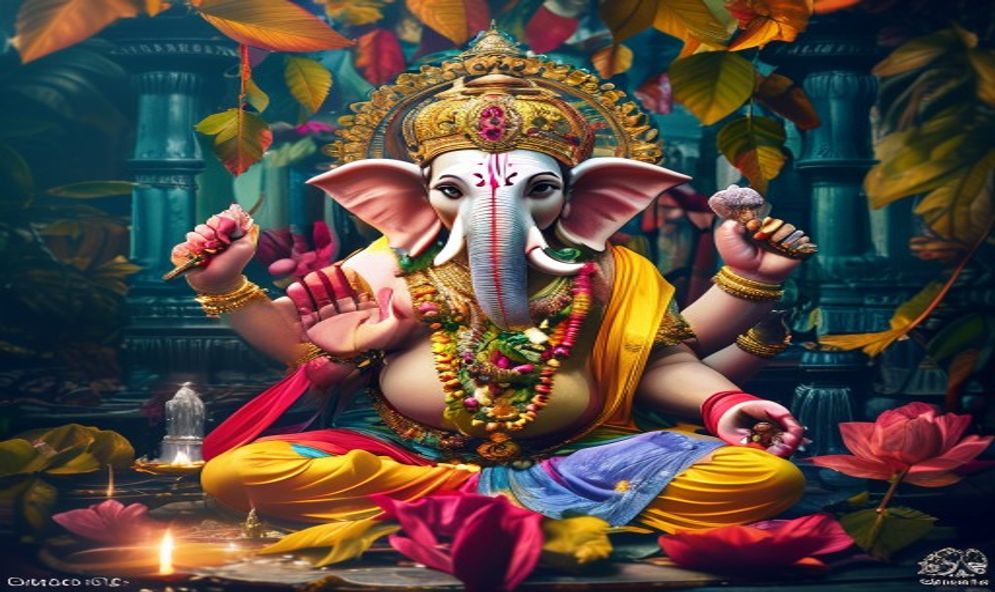
The 21 Sacred Leaves Offered to Lord Ganesha
In the worship of Lord Ganesha, a special ritual called the Ekavimshati Patra Puja involves offering 21 specific leaves to the deity. This tradition is mentioned in the Ganesha Purana and Agama Shastras as an essential part of Shodashopachara puja vidhi. Each leaf, also called patra in Sanskrit, has a unique spiritual significance, a specific mantra for offering, and often remarkable medicinal properties. Devotees believe that offering these 21 leaves pleases all 21 forms of Ganesha and brings blessings in all areas of life. The practice connects bhakti with nature, reminding us that every plant carries divine energy. During Ganesh Chaturthi and daily puja, these leaves are arranged neatly on a thali and offered one by one with deep devotion.
The Significance of Number 21
Why 21 leaves? The number 21 holds deep meaning in Ganesha worship. It represents the 21 qualities of the deity, the 21 forms described in the Mudgala Purana, and the combination of panchabhuta (five elements), panchendriya (five senses), panchakarmendriya (five organs of action), panchaprana (five vital airs), and the mind. Offering 21 leaves is considered a complete puja that addresses every aspect of human existence. When a devotee offers each leaf with the prescribed mantra, they are symbolically offering their entire being to Ganesha. The leaves also represent the diversity of creation, teaching us that divinity resides in all forms of life. This is why the Dharmic traditions have always emphasized environmental conservation long before it became a global concern.
The Shodashopachara Puja Vidhi
The Shodashopachara puja is the sixteen-step worship method prescribed in the Agamas. Before the offering of 21 leaves, the devotee performs the following steps: first, Dhyana (meditation on Ganesha form); second, Avahana (invoking the deity into the murti); third, Asana (offering a seat); fourth, Padya (washing the feet); fifth, Arghya (offering water); sixth, Achamana (offering water for sipping); seventh, Snana (ritual bath of the idol); eighth, Vastra (offering clothes); ninth, Yajnopavita (sacred thread); tenth, Gandha (sandalwood paste); eleventh, Akshata (colored rice); twelfth, Pushpa (flowers); thirteenth, Dhupa (incense); fourteenth, Deepa (lamp); fifteenth, Naivedya (food offering including modak); and finally, the offering of 21 leaves. Each step is accompanied by mantras and mudras. The patra puja is considered the culmination of the entire ritual, symbolizing the devotee complete surrender.
Complete List of 21 Sacred Leaves
1. Bilva Patra (Aegle marmelos) - Bel Leaf
The Bilva leaf is triple-lobed, representing the three eyes of Ganesha and the three gunas (sattva, rajas, tamas). In the Skanda Purana, it is said that Goddess Lakshmi resides in Bilva leaves. Offering this leaf removes poverty and brings prosperity. In Ayurveda, Bilva is used for digestive health, diabetes management, and respiratory disorders. The tree is considered a form of Ganesha himself. When you touch a Bilva leaf, you touch divinity.
2. Durva Grass (Cynodon dactylon)
Durva is the most essential offering in Ganesha puja. According to legend, a demon named Analasura was causing havoc. Ganesha consumed him but felt intense burning. The gods offered Durva grass, which cooled him instantly. The three or five blades of Durva represent the three worlds or five elements. Offering 21 blades of Durva grass is believed to bring longevity, prosperity, and removal of obstacles. In Ayurveda, Durva is used for wound healing, blood purification, and skin diseases. No Ganesha puja is complete without this sacred grass.
3. Tulsi Patra (Ocimum sanctum) - Holy Basil
Tulsi is the most sacred plant in Hinduism, considered the gateway to heaven. Offering Tulsi to Ganesha brings purification and divine blessings. The story says that Tulsi was originally a gopi named Vrinda who was devoted to Vishnu. Her essence became the Tulsi plant. In Ayurveda, Tulsi is a powerhouse of medicinal properties - it boosts immunity, reduces stress, treats respiratory infections, and purifies the air. The plant is grown in almost every Hindu household and is watered daily as a spiritual practice.
4. Shami Patra (Prosopis cineraria)
The Shami tree is associated with Lord Shiva and Ganesha. During the Mahabharata, the Pandavas hid their weapons in a Shami tree during their agyatavasa (incognito exile). Shami leaves symbolize patience, endurance, and hidden strength. In Ayurveda, the bark and leaves are used for treating fractures, skin diseases, and digestive issues. The tree is drought-resistant, teaching us to thrive even in difficult conditions.
5. Ashwattha Patra (Ficus religiosa) - Sacred Fig
The Ashwattha or Peepal tree is considered the cosmic tree of life. Lord Krishna says in the Bhagavad Gita that among trees, he is Ashwattha. Its heart-shaped leaves move constantly, representing the restless mind that can find peace only in devotion. Offering Ashwattha leaves to Ganesha brings wisdom and spiritual knowledge. The tree releases oxygen even at night, making it ecologically unique. In Ayurveda, its bark, leaves, and fruits are used for treating asthma, diabetes, and skin disorders.
6. Apamarga Patra (Achyranthes aspera) - Prickly Chaff Flower
Apamarga is known for its ability to remove negative energies. The word apamarga means that which cleanses or purifies. These leaves are used in many rituals for protection against evil forces. In Ayurveda, the plant is used for skin diseases, digestive problems, and as a natural pesticide. The plant rough texture reminds us that spiritual growth sometimes requires facing challenges.
7. Arjuna Patra (Terminalia arjuna)
The Arjuna tree is named after Arjuna, the great warrior of Mahabharata. Its leaves symbolize strength, courage, and resilience. The bark of the Arjuna tree is one of the best-known heart tonics in Ayurveda, used for treating cardiovascular diseases for thousands of years. Offering Arjuna leaves to Ganesha is believed to bestow physical strength and emotional stability.
8. Devadaru Patra (Cedrus deodara) - Himalayan Cedar
Devadaru means wood of the gods. This magnificent tree grows in the Himalayas and is associated with Lord Shiva and Ganesha. Its wood is used in temple construction and for making sacred items. The essential oil has antiseptic, anti-inflammatory, and insect-repelling properties. Offering Devadaru leaves brings divine protection and spiritual elevation. The tree majestic presence reminds us of the grandeur of the divine.
9. Sindhuvara Patra (Vitex negundo) - Nirgundi
Nirgundi leaves are considered highly protective. A popular practice is to place these leaves under the pillow to ward off nightmares and negative energies. In Ayurveda, Nirgundi is extensively used for treating joint pain, inflammation, headaches, and respiratory issues. Offering these leaves to Ganesha protects the devotee from diseases and evil forces, keeping the home environment pure and positive.
10. Bhrungaraja Patra (Eclipta alba) - False Daisy
In Ayurveda, Bhrungaraja is famous for hair health - it promotes hair growth, prevents graying, and strengthens the scalp. The name comes from bhrunga (peacock) and raja (king), implying that this herb gives the beauty of a peacock feathers. Offering this leaf to Ganesha is believed to bestow longevity and physical beauty. The plant grows abundantly during the rainy season and is easy to identify by its small white flowers.
11. Mandara Patra (Erythrina variegata) - Coral Tree
The Mandara tree is mentioned in the Puranas as one of the five trees of heaven. Its bright red flowers are sacred and used extensively in temple offerings. The leaves are trifoliate, representing the divine triad. In Ayurveda, the bark and leaves are used for treating skin diseases, worms, and fever. Offering Mandara leaves brings heavenly blessings and spiritual merit into one life.
12. Agastya Patra (Sesbania grandiflora) - Vegetable Hummingbird
Named after the great sage Agastya, this tree has white or red flowers that are edible and highly nutritious. The leaves, flowers, and pods are rich in iron, calcium, and vitamins. In Ayurveda, Agastya is used for improving digestion, treating anemia, and boosting immunity. Offering these leaves to Ganesha brings health, vitality, and the blessings of the sage Agastya himself.
13. Dhatura Patra (Datura metel) - Thorn Apple
Dhatura is a paradoxical offering. Despite being poisonous, it is considered very dear to Lord Shiva and by extension to Ganesha. Offering Dhatura symbolizes the transcendence of duality - the ability to rise above poison and nectar, pleasure and pain. The plant has been used in Ayurveda in controlled doses for treating asthma, pain, and skin conditions. The white trumpet-shaped flowers represent purity amidst danger, teaching us that devotion can transform even poison into blessing.
14. Karavira Patra (Nerium indicum) - Oleander
Oleander is a beautiful but toxic plant that produces stunning pink, white, or red flowers. Like Dhatura, it is offered to the divine despite its poisonous nature, symbolizing the devotee complete surrender. In Ayurveda, oleander oil is used externally for skin diseases and hair growth. The plant is mentioned in the Brihat Samhita as a sacred ornamental. Offering Karavira leaves teaches us to see the divine in all forms, even those that appear dangerous.
15. Jati Patra (Jasminum grandiflorum) - Jasmine
Jasmine is the queen of fragrances. Its delicate white flowers and leaves symbolize purity, divine love, and spiritual beauty. In the evening, jasmine flowers release their intoxicating fragrance, creating a meditative atmosphere perfect for puja. The essential oil is used in aromatherapy for reducing anxiety and promoting relaxation. Offering Jati leaves elevates the spiritual ambiance of the puja and pleases Ganesha with their subtle sweetness.
16. Shankhapushpi Patra (Convolvulus pluricaulis)
Shankhapushpi is the brain tonic of Ayurveda. The word shankha means conch and pushpa means flower, because the flowers are shaped like small conch shells. It is known to enhance memory, concentration, and cognitive function. Since Ganesha is the god of wisdom and intellect, offering Shankhapushpi is especially appropriate. Students and professionals often include this leaf in their puja to seek Ganesha blessings for mental clarity and academic success.
17. Vishnukranta Patra (Evolvulus alsinoides) - Dwarf Morning Glory
Like Shankhapushpi, Vishnukranta is also a memory-enhancing herb in Ayurveda. The name Vishnukranta means that which is pervaded by Lord Vishnu. Its beautiful blue flowers bloom in the morning, representing freshness and new beginnings. The plant is used for treating brain disorders, fever, and respiratory conditions. Offering this leaf seeks the combined blessings of Vishnu and Ganesha for holistic well-being.
18. Badari Patra (Ziziphus jujuba) - Indian Jujube
The Badari tree produces the nutritious ber fruit that is enjoyed across India. Sage Badarayana, the compiler of the Vedas and author of the Brahma Sutras, meditated under this tree, giving it spiritual significance. The bark, fruit, and leaves are used in Ayurveda for treating insomnia, anxiety, and digestive disorders. Offering Badari leaves brings the blessings of scriptural wisdom and physical nourishment.
19. Nimba Patra (Azadirachta indica) - Neem
Neem is the village pharmacy of India. Every part of the neem tree has medicinal value - antibacterial, antiviral, antifungal, and blood-purifying properties. Neem twigs were traditionally used as toothbrushes. In spiritual terms, neem purifies the environment and removes negative energies. The bitter taste of neem represents the bitter experiences of life that lead to spiritual growth. Offering neem leaves to Ganesha cleanses the devotee inside and out, bringing health and spiritual purity.
20. Kusha Patra (Desmostachya bipinnata) - Kusha Grass
Kusha grass is essential in all Hindu rituals. It is considered pure and is used to create a sacred barrier during puja and yagna. According to the Puranas, Kusha grass emerged from the body of Vishnu during the churning of the ocean. It has antiseptic properties and is used in Ayurveda for treating dysentery and skin diseases. A ring made of Kusha grass is worn during rituals to maintain purity. Offering Kusha grass to Ganesha purifies the entire puja and protects the devotee from spiritual impurities.
21. Amra Patra (Mangifera indica) - Mango
Mango leaves are considered the most auspicious in Hinduism. A toran (garland) of mango leaves is hung at doorways during festivals and celebrations. The mango tree is a symbol of love, fertility, and prosperity. Lord Ganesha is often depicted holding a mango as a symbol of the sweet reward of spiritual practice. In Ayurveda, mango leaves are used for treating diabetes, respiratory problems, and digestive issues. Offering Amra patra completes the set of 21 leaves and brings the ultimate blessing of fulfillment and abundance.
How to Perform the Patra Puja
To offer the 21 leaves, first cleanse them with water. Arrange them on a clean thali. Light a lamp and incense. Invoke Ganesha in your heart. Take each leaf, dip it in water or rose water, and offer it at the feet of the Ganesha idol while chanting the corresponding mantra: Om Ganadhyakshaya Vidmahe, Gajananaya Dheemahi, Tanno Danti Prachodayat, followed by the leaf name. After offering all 21 leaves, perform aarti with a camphor flame. The leaves are then placed at the base of a sacred tree or in a garden, never thrown in the trash. This practice teaches respect for nature and the recognition of divinity in all living things. Offering the leaf puja brings the special grace of Lord Ganesha.
Spiritual and Environmental Significance
The 21 leaves tradition is a beautiful synthesis of spirituality, ecology, and Ayurveda. Each leaf has medicinal properties that benefit human health. By collecting these leaves from nature, devotees connect with the environment. The practice teaches biodiversity conservation - many of these trees are planted and protected because of their religious significance. In a world facing climate change and environmental degradation, these ancient traditions offer a path toward sustainable living. When you offer a leaf to Ganesha, you are not just performing a ritual - you are acknowledging that divinity pervades all of nature. Ganesha resides in every leaf. This wisdom is the heart of the Ekavimshati Patra tradition.