108 Names of Lord Vishnu
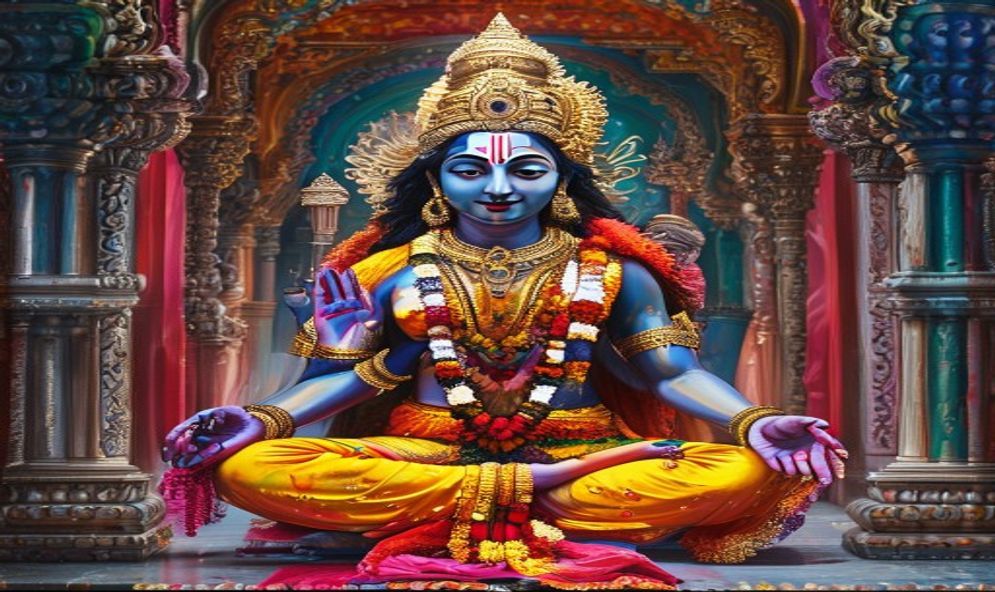
The 108 Names of Lord Vishnu - Narayan Ke Divya Naam
Lord Vishnu, also known as Narayan, Bhagwan Vishnu, and the preserver of the universe, is one of the principal deities of Sanatan Dharma. His 108 names, known as the Vishnu Ashtottara Shatanamavali, are chanted by millions of devotees worldwide. These names are drawn from the great Vishnu Sahasranama, which contains a thousand names of the lord. Each name reveals a different aspect of his infinite nature - his cosmic powers, his divine qualities, his weapons, and his avatars. Chanting these names brings peace, prosperity, and spiritual elevation to the devotee. The Vishnu Sahasranama is found in the Mahabharata, where Bhishma Pitamaha revealed these sacred names to Yudhishthira on the battlefield of Kurukshetra. Let us explore the 108 most significant names of Bhagwan Vishnu, categorized into meaningful groups that help us understand his divine nature.
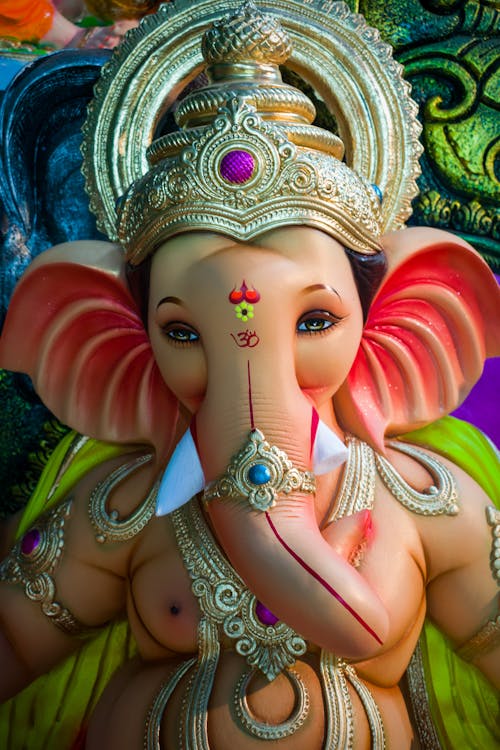
The Four Arms of Vishnu - Shankha, Chakra, Gada, Padma
Before we explore the 108 names, it is important to understand Vishnu iconography. Lord Vishnu is depicted with four arms, each holding a symbolic object. The Shankha (conch shell) represents the primordial sound of creation - the Omkara from which the universe emanates. The Chakra (discus) is the Sudarshana Chakra, a weapon that represents the cosmic mind and the destruction of evil. The Gada (mace) represents strength and the power of divine authority. The Padma (lotus flower) symbolizes purity, creation, and spiritual liberation. Together, these four objects represent Vishnu complete control over creation, preservation, and destruction. Each of the 108 names connects to one or more of these aspects, reminding the devotee of the lord all-encompassing nature.
Names from the Ten Avatars - Dashavatara
Lord Vishnu has descended to earth in ten primary incarnations, known as the Dashavatara. The first avatar is Matsya, the fish who saved Manu from the great flood. Matsya represents the preservation of life and knowledge during cosmic destruction. The second avatar is Kurma, the tortoise who supported Mount Mandara during the Samudra Manthan, the churning of the ocean. Kurma teaches us patience and steadiness in the face of great challenges. The third avatar is Varaha, the boar who rescued the earth goddess Bhudevi from the cosmic waters, lifting her on his tusks. Varaha represents the lord willingness to descend into darkness to restore order.
The fourth avatar is Narasimha, the half-man half-lion who emerged from a pillar to destroy the demon Hiranyakashipu. Narasimha is the embodiment of divine fury and protection. The fifth avatar is Vamana, the dwarf brahmin who humbled the demon king Bali by asking for three paces of land and then covering the entire universe in two steps. Vamana teaches us humility and the power of appearing small. The sixth avatar is Parashurama, the brahmin warrior who waged war against the oppressive Kshatriya class, wielding an axe given by Lord Shiva. Parashurama represents the eradication of evil from the earth.
The seventh avatar is Rama, the prince of Ayodhya and the hero of the Ramayana. Rama is the embodiment of dharma, duty, and righteousness. His life teaches us how to live with honor and integrity. The eighth avatar is Krishna, the most complete avatar, whose life is a tapestry of divine love, cosmic wisdom, and strategic brilliance. The ninth avatar is Balarama or Buddha, depending on tradition - Balarama represents strength and agricultural prosperity, while Buddha represents compassion and the middle path. The tenth avatar is Kalki, the yet-to-come warrior who will appear at the end of Kali Yuga to destroy evil and restore righteousness. Each avatar corresponds to a specific set of names in the Vishnu Ashtottara.
Names of Cosmic Powers
Many of the 108 names of Vishnu describe his cosmic powers and his role as the supreme being. The name Vishnu itself means the all-pervading one, indicating that he exists everywhere and in everything. Narayan means the one who rests on the waters, referring to his cosmic sleep on the serpent Shesha in the Kshira Sagar, the ocean of milk. The name Hari means the one who removes all sorrow and darkness. Govinda means the protector of cows and the earth. Madhava means the lord of Lakshmi, the goddess of wealth. The name Vasudeva means the one who dwells in all beings, representing the immanent nature of the divine.
The name Janardana means the one who is worshiped by all beings for liberation. The name Padmanabha means the one from whose navel the lotus of creation emerged, carrying Brahma the creator. The name Hrishikesha means the lord of the senses, indicating that he controls the five senses and the mind. The name Keshava means the one who killed the demon Kesi and also the one with beautiful hair. The name Madhusudana means the killer of the demon Madhu, representing the victory of good over evil. These names are chanted not just as words but as mantras that connect the devotee with the cosmic power of the supreme lord.
Primary cosmic names include: Vishnu (all-pervading), Narayan (abode of all beings), Hari (remover of sorrow), Govinda (protector of cows), Madhava (lord of Lakshmi), Vasudeva (dweller in all), Janardana (giver of liberation), Padmanabha (lotus-naveled), Hrishikesha (lord of senses), Keshava (slayer of Kesi), Madhusudana (slayer of Madhu).
Names of Divine Qualities
The 108 names also highlight the divine qualities of Lord Vishnu that devotees seek to cultivate in their own lives. The name Satya means truth, representing the ultimate reality that never changes. The name Dharma means righteousness, the cosmic law that maintains order in the universe. The name Shanti means peace, the inner stillness that comes from connecting with the divine. The name Daya means compassion, the loving kindness that Vishnu extends to all beings. The name Kshama means forgiveness, the ability to let go of wrongs and embrace with love. The name Ananda means bliss, the pure joy that is the nature of the supreme self.
The name Tejas means radiance, the inner light that shines from a soul connected to Vishnu. The name Bala means strength, both physical and spiritual power. The name Gyan means knowledge, the wisdom that distinguishes reality from illusion. The name Vairagya means detachment, the ability to remain unaffected by worldly pleasures and pains. The name Aishwarya means prosperity and divine wealth. The name Veerya means valor and heroic courage. These qualities are not just attributes of Vishnu but are potentials that every human being can develop through devotion and spiritual practice. When we chant these names, we invite these qualities into our own lives.
Key quality names include: Satya (truth), Dharma (righteousness), Shanti (peace), Daya (compassion), Kshama (forgiveness), Ananda (bliss), Tejas (radiance), Bala (strength), Gyan (knowledge), Aishwarya (prosperity), Veerya (valor).
Names of Weapons and Attributes
Lord Vishnu divine weapons are themselves the subjects of several names. The name Shankha refers to the Panchajanya conch shell that Vishnu blows to announce the beginning and end of cosmic cycles. The sound of the Shankha dispels negative energies and purifies the atmosphere. The name Chakra refers to the Sudarshana Chakra, the discus that returns to Vishnu hand after destroying evil. The Chakra represents the cycle of time and the cosmic mind that cuts through ignorance. The name Gada refers to the Kaumodaki mace, the weapon of divine authority and strength. The name Padma refers to the lotus, symbolizing the unfolding of creation from the divine will.
The name Sharanga refers to the bow of Vishnu, a powerful weapon that represents his role as the protector. The name Nandaka refers to the sword of Vishnu, representing the sharpness of divine discrimination. The name Kaustubha refers to the precious gem worn on Vishnu chest, representing the individual soul that rests in the divine. The name Vanamala refers to the garland of forest flowers that Vishnu always wears, symbolizing his connection with nature and all living beings. Each weapon and attribute name teaches us about a different aspect of divine protection and guidance.
How to Chant the 108 Names
Chanting the 108 names of Vishnu is a powerful spiritual practice. Sit in a clean place facing east. Light a lamp and incense. Use a tulsi mala of 108 beads to count. Begin with the chant of Om Namo Narayanaya, then recite each name with devotion. The best time is Brahma Muhurta (early morning before sunrise). Regular chanting brings mental clarity, emotional stability, and spiritual growth. It is said that Lord Vishnu himself resides in the voice of a devotee chanting his names. Through the Vishnu Sahasranama and the 108 names, the devotee develops a personal relationship with Narayan, experiencing his love, protection, and guidance in everyday life.
The 108 names of Lord Vishnu are a journey into the heart of the divine. Each name is a window into the infinite nature of Narayan. Whether you are new to spiritual practice or an experienced seeker, incorporating these names into your daily routine will transform your life. Chant them with love, understand their meanings, and feel the presence of the preserver of the universe in every moment. Om Namo Narayanaya!