108 Names of Lord Shiva
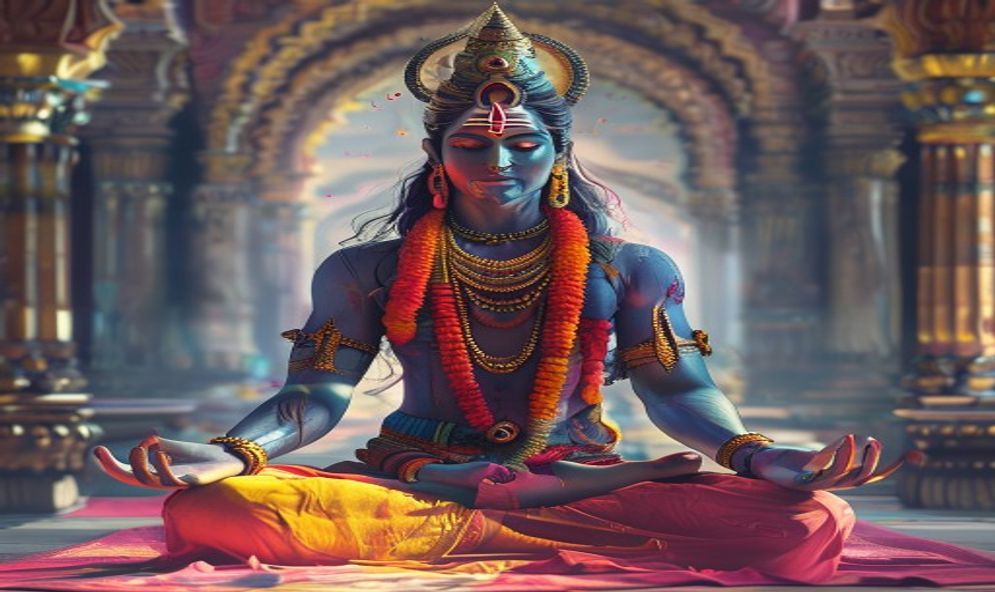
The 108 Names of Lord Shiva
Lord Shiva, known as Bholenath, Mahadev, and Shankar, is one of the most revered deities in Sanatan Dharma. His 108 names, collectively called the Shiva Ashtottara Shatanamavali, hold immense spiritual power. Chanting these names connects the devotee directly with the cosmic energy of Shiva. Each name reveals a different facet of the divine personality of Mahadev - from the fierce Rudra who destroys evil to the compassionate Bholenath who grants boons easily. The number 108 itself is sacred - there are 108 beads in a japamala, 108 Upanishads, 108 marmas in the body, and the distance from the earth to the sun is approximately 108 times the sun diameter. When you chant these 108 names, you align yourself with the cosmic order and invoke the protective grace of Shiva.
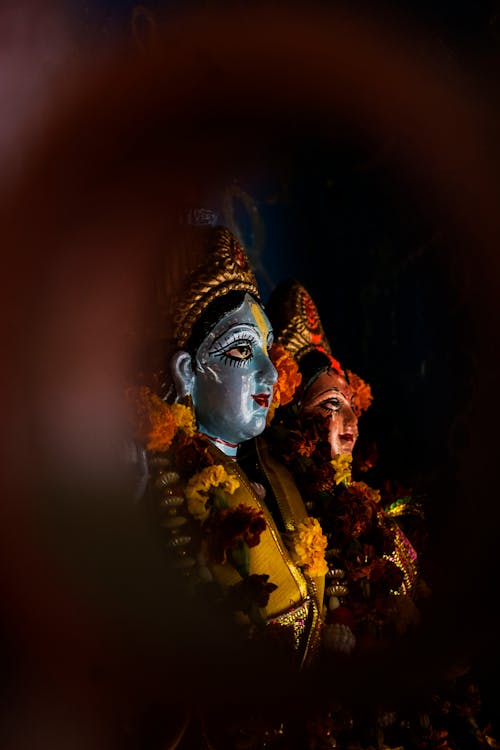
Rudra Forms of Shiva
Om Shivaya Namah - The ever-pure one. Shiva means the one who is absolutely pure, untouched by the impurities of the material world. Om Maheshwaraya Namah - The great lord, master of all creation. Om Shambhave Namah - The one who brings happiness and prosperity to his devotees. Om Pinakine Namah - The wielder of the Pinaka bow, the divine weapon that represents the power to destroy evil. Om Shashishekharaya Namah - The one who wears the moon on his matted hair. The moon represents the mind, and Shiva holding it shows his mastery over the mind. Om Vrishabhanshaya Namah - The rider of the bull Nandi, symbolizing dharma and strength. Om Vyomakeshaya Namah - The one whose hair is the vast sky itself, indicating his infinite nature. Om Sadyojataya Namah - The suddenly manifested one, the timeless form of Shiva. Om Vamadevaya Namah - The god of supreme knowledge and auspiciousness. Om Devadevaya Namah - The god of gods, the supreme deity above all others.
Om Bhavaya Namah - The creator of the universe, the source of all existence. Om Bhimeshwaraya Namah - The immensely powerful one whose very presence inspires awe. Om Bhutabhavanaya Namah - The nourisher and sustainer of all living beings. Om Bhutapalaya Namah - The protector of all creatures in the universe. Om Trilokinathaya Namah - The lord of the three worlds - heaven, earth, and the netherworld. Om Tryambakaya Namah - The three-eyed one, whose third eye represents wisdom and the power to destroy evil. Om Chandrasekharaya Namah - The bearer of the moon-crest, one of the most beloved names of Shiva. Om Somasuryagnilocanaya Namah - The one who has the moon, sun, and fire as his three eyes. Om Aghoraya Namah - The non-terrifying form of Shiva, the gentle and compassionate aspect. Om Aghoratmane Namah - The one whose soul is beyond all fear and terror.
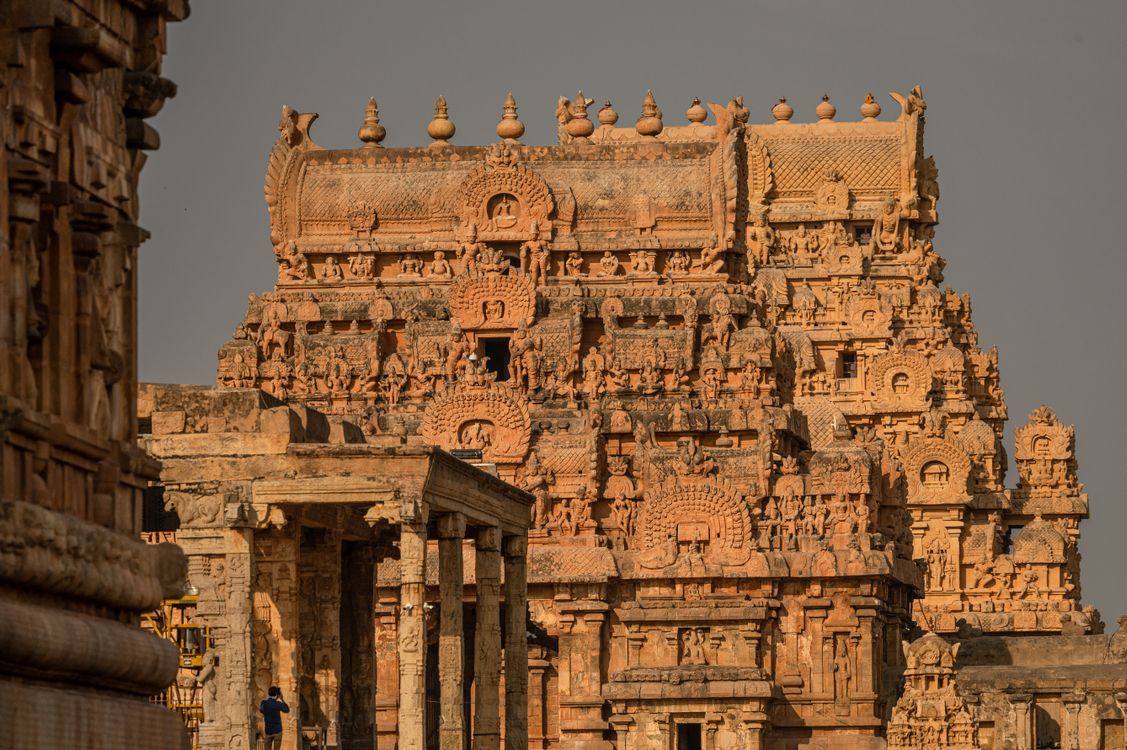
Family Relations and Associates
Om Uma Maheshwaraya Namah - The consort of Uma (Parvati), showing Shiva as the perfect householder. Om Parvati Vallabhaya Namah - The beloved of Parvati, demonstrating his loving nature as a husband. Om Gauri Shankaraya Namah - The consort of Gauri, the radiant goddess. Om Haimavata Priyaya Namah - The one who loves Parvati, daughter of Himalaya. Om Ganesha Janakaya Namah - The father of Ganesha, the elephant-headed god of wisdom. Om Skanda Janakaya Namah - The father of Kartikeya (Skanda), the commander of the divine army. Om Nandine Namah - The one who is inseparable from Nandi, his devoted bull. Om Nandi Vallabhaya Namah - The beloved of Nandi and all ganas (attendants). Om Ganadhyakshaya Namah - The lord of the ganas, the celestial attendants. Om Gananathaya Namah - The master of all beings and groups.
Om Bhakta Vatsalaya Namah - The one who loves his devotees like his own children, always ready to protect them. Om Bhakta Priyaya Namah - The one who is dear to all devotees and responds to their prayers instantly. Om Anatha Natha Namah - The protector of those who have no one else to protect them. Om Dina Bandhave Namah - The friend of the poor and downtrodden. Om Sharanya Namah - The refuge of all beings who seek shelter in him. These names reveal Bholenath as a family man and a compassionate protector. Unlike other deities who may require elaborate rituals, Shiva is known as Bholenath because even a simple offering of water and a belpatra leaf can please him. His family - Parvati, Ganesha, and Kartikeya - represents the ideal divine family where each member has a unique role but lives in harmony.
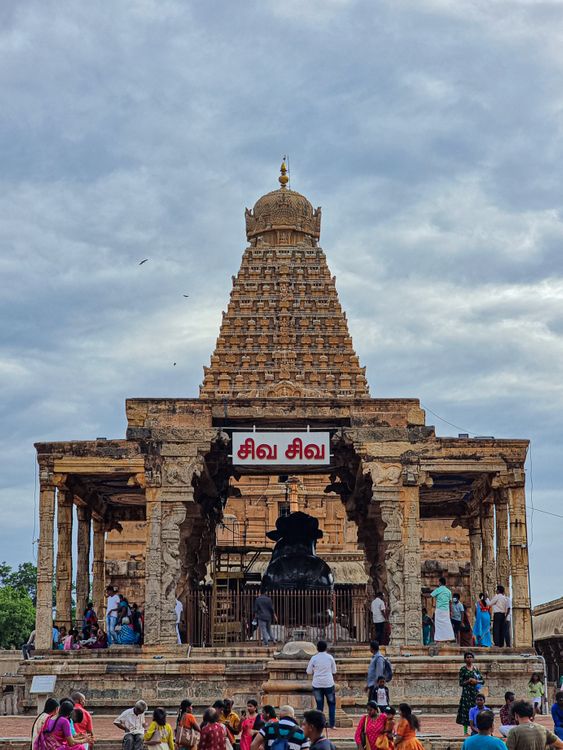
Cosmic Aspects and Universal Powers
Om Mahadevaya Namah - The great god, the supreme deity. Om Maheshwaraya Namah - The supreme lord of all. Om Parameshwaraya Namah - The highest lord, beyond all comparison. Om Sada Shivaya Namah - The eternally auspicious one, always pure and benevolent. Om Vishveshwaraya Namah - The lord of the universe, the ruler of all existence. Om Nilakanthaya Namah - The blue-throated one, who consumed the poison Halahal during the Samudra Manthan to save the world. Om Gangadharaya Namah - The one who holds the sacred river Ganga in his matted locks, preventing her forceful descent from destroying the earth. Om Chandrasekharaya Namah - The moon-crested lord. Om Bhairavaya Namah - The fearsome form of Shiva who protects the universe from demons. Om Kalaya Namah - Time incarnate, the destroyer of all things.
Om Kala Kaalaya Namah - The one who is the destroyer of time itself, beyond the bounds of past, present, and future. Om Mrityunjayaya Namah - The conqueror of death, the most powerful aspect of Shiva for protection. Om Sarvajaya Namah - The all-knowing one, whose wisdom encompasses everything. Om Sarva Vyapine Namah - The all-pervading consciousness present in every atom of the universe. Om Anantaya Namah - The infinite one, without beginning or end. Om Aksharaya Namah - The imperishable, eternal reality. Om Avyaya Namah - The immutable, unchanging consciousness. Om Vishvarupaya Namah - The one who contains the entire universe within his form. Om Virupakshaya Namah - The one with extraordinary eyes that see beyond the material world. Om Trilochana Namah - The three-eyed lord representing past, present, and future.
Divine Qualities and Attributes
Om Dharmadevaya Namah - The embodiment of righteousness and cosmic law. Om Yagya Mayaya Namah - The one who is the essence of all sacrifices. Om Tapomayaya Namah - The one who is the embodiment of austerity and meditation. Om Yogeshwaraya Namah - The lord of yoga, the supreme teacher of meditation. Om Yogaya Namah - Yoga incarnate, the ultimate union of consciousness. Om Yogadhipaya Namah - The master of all yogis and spiritual seekers. Om Dhyana Dharaya Namah - The sustainer of deep meditation. Om Tapasvaya Namah - The great ascetic, the supreme renunciate. Om Vrataya Namah - The one who observes all vows and encourages devotees to do the same. Om Vrata Dharaya Namah - The upholder of all sacred observances.
Om Dayalu Namah - The compassionate one who forgives all mistakes. Om Karunakara Namah - The one who showers mercy on all beings. Om Kripamayaya Namah - The embodiment of grace and kindness. Om Kshamaya Namah - The forgiving one, who pardons the sins of his devotees. Om Kshantaya Namah - The patient one who endures all offenses. Om Shantaya Namah - The peaceful one, the calm and serene lord. Om Abhayapradaya Namah - The giver of fearlessness to those who surrender to him. Om Satyaya Namah - The ultimate truth, the reality behind all existence. Om Nityaya Namah - The eternal one, beyond time and space. Om Shuddhaya Namah - The pure one, untouched by any impurity.
Om Suddha Vigrahaya Namah - The one with a pure and divine form. Om Nirmalaya Namah - The spotless, untainted consciousness. Om Visuddhaya Namah - The thoroughly purified one. Om Pavitraya Namah - The sanctifier who purifies everything he touches. Om Punyaya Namah - The embodiment of all merit and virtue. Om Punya Karmane Namah - The one who performs only pure actions. Om Punya Phala Pradhaya Namah - The giver of the fruits of all good deeds. Om Subhadaya Namah - The bestower of auspiciousness. Om Shubhankara Namah - The one who does good for all beings. Om Mangala Paramaya Namah - The supreme auspiciousness.
Om Sarva Siddhi Pradhaya Namah - The giver of all spiritual accomplishments. Om Sarva Siddhi Karaka Namah - The one who enables all achievements. Om Siddhi Vinayakaya Namah - The lord of all accomplishments. Om Sarva Mano Rama Namah - The one who pleases the minds of all beings. Om Manasaya Namah - The embodiment of the mind and consciousness. Om Manobuddhaye Namah - The one who is both mind and intellect. Om Ahankaraya Namah - The one who transcends the ego yet is the source of all individuality. Om Atma Shrayaya Namah - The refuge of the soul. Om Paramatmane Namah - The supreme soul that resides in all beings. Om Jnanaya Namah - Pure knowledge and wisdom incarnate.
Benefits of Chanting the 108 Names
Regular recitation of the 108 names of Shiva brings profound benefits. First, it creates a protective shield around the devotee. Each name is a vibration that purifies the atmosphere and strengthens the aura. The name Mrityunjaya (conqueror of death) is particularly powerful for protection from accidents, illnesses, and untimely death. Second, chanting these names calms the mind and reduces anxiety. Studies in sound therapy have shown that repetitive chanting of sacred syllables balances the brain waves and induces a meditative state. Third, it helps overcome fear - whether it is fear of failure, fear of loss, or fear of death. When you chant Shiva names, you invoke the presence of Bholenath, who is always ready to protect his devotees. Fourth, it improves concentration and memory. The discipline of regular chanting strengthens the mind and enhances focus. Many students and professionals have reported improved performance after incorporating Shiva naam jap into their daily routine.
The best time to chant the 108 names is early morning during Brahma Muhurta (4 to 6 AM). Sit facing east, take a shower, and sit on a clean mat. Use a rudraksha mala to count 108 repetitions. Meditate on the form of Shiva as you chant - visualize his matted locks, the Ganga flowing from his hair, the crescent moon, the third eye, and his serene smile. This visualization amplifies the power of the chanting. You can also chant these names on Maha Shivaratri for special benefits. The key is consistency - even five minutes of daily chanting yields more benefits than hours of chanting once in a while. Start with one round of the mala (108 beads) and gradually increase. Over time, you will notice positive changes in your life - better relationships, improved health, greater peace of mind, and a deeper connection with the divine. As you immerse yourself in the vibrations of Shiva names, you will experience the truth of the ancient saying: Shiva is not just a deity to be worshipped - he is the reality to be realized. Har Har Mahadev!